


More news on this day
American Airlines flight AA2062, an Airbus A320 operating between Orlando and the Washington, D.C. area on July 18, diverted to Charlotte Douglas International Airport after an unexpected in flight disruption altered its planned route, according to multiple flight tracking records and publicly available operational data.
Get the latest news straight to your inbox!
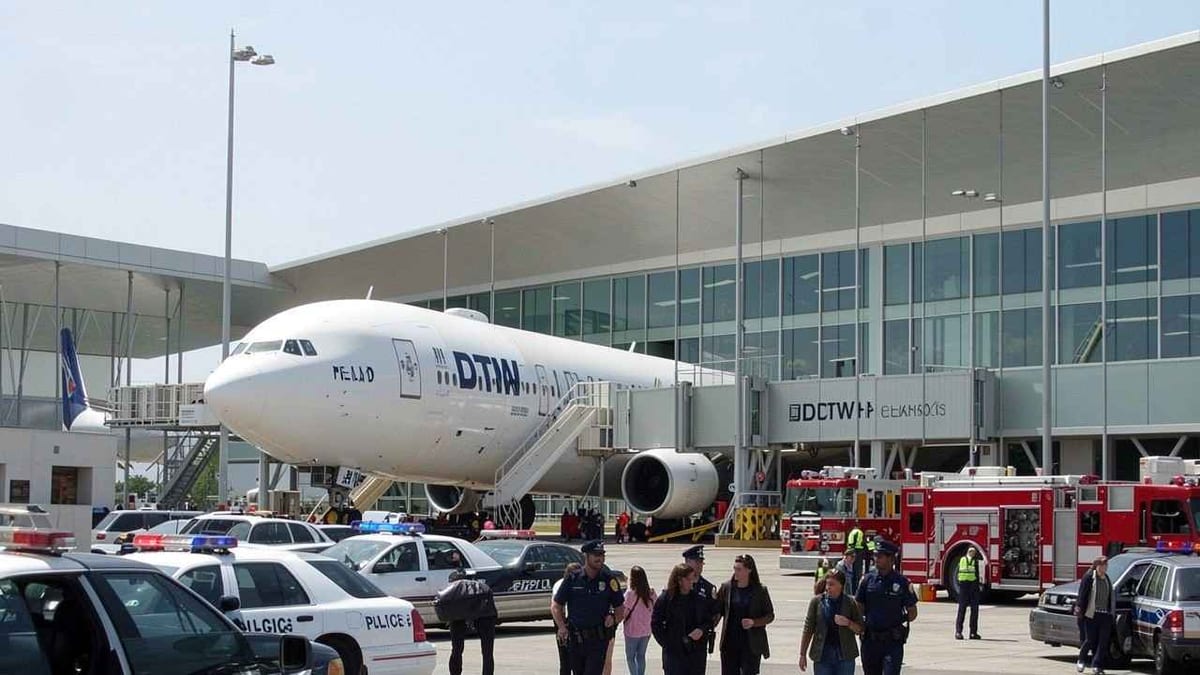
What Happened To Flight AA2062 on July 18
Publicly available flight tracking information indicates that AA2062 was scheduled to operate on July 18 as an American Airlines service using an Airbus A320 between Orlando International Airport and the Washington, D.C. region. During the journey, the aircraft did not continue to its originally filed destination and instead altered course to Charlotte Douglas International Airport in North Carolina.
Data from flight monitoring services for July 18 show that the aircraft departed later than its initially planned time and subsequently landed at Charlotte rather than Washington. The rerouting is logged as a diversion, meaning the flight terminated at an airport different from the one originally scheduled, typically in response to operational, technical, weather, or airspace related factors.
As of July 19, there were no widely circulated detailed explanations in public reporting specifying the exact trigger for AA2062’s diversion. Available operational data simply reflect the change in destination and timing, leaving the precise cause categorized broadly as an unexpected disruption that required a revised flight plan.
Importantly, there have been no publicly visible indications of injuries or major on board emergencies linked to this event in mainstream coverage or official bulletins. In situations like this, diversions are often handled as precautionary measures intended to place an aircraft and its passengers at the nearest suitable airport with appropriate facilities and airline support.
Possible Factors Behind the Diversion
When a flight such as AA2062 diverts mid route from Orlando to Washington, a range of potential factors may be involved. Diversions can be prompted by technical issues detected by the crew, passenger medical needs, weather or air traffic constraints near the destination, or broader disruptions affecting the airline’s route network on a particular day.
Recent system wide conditions across parts of the United States in mid July have included periodic thunderstorms in Florida and the Mid Atlantic, as well as air traffic flow management programs and congestion at major hubs. Publicly available advisories for Orlando and Washington area airports around mid month describe various traffic management initiatives and recovery efforts following weather impacts and heavy demand, circumstances that can cascade into delays, aircraft reassignments, and occasional diversions.
Operationally, Charlotte is a key hub for American Airlines, with extensive maintenance capability, crew bases, and onward connections. For a flight experiencing an in flight disruption between central Florida and the Washington region, Charlotte represents a logical diversion point because of its location along the eastern corridor and the concentration of American Airlines resources at the airport.
While specific confirmation of the underlying cause in this individual case has not appeared in public summaries, the overall operational pattern on July 18 suggests that AA2062’s revised routing fits within normal airline decision making around safety, logistics, and schedule recovery. For travelers, the outcome is typically additional travel time and rebooked connections rather than a long term safety concern.
Impact on Passengers and Subsequent Travel
A diversion of this type usually leads to delays, missed connections, and the need for itinerary changes. Passengers booked through to Washington or onward destinations would generally have been re accommodated on later services from Charlotte to the Washington area or to their final cities using connecting flights.
Charlotte Douglas International Airport serves as a major connecting hub for American Airlines flights into Washington Dulles, Reagan National, and Baltimore Washington area airports. Operational data for the evening of July 18 and following morning show multiple American flights running between Charlotte and the greater Washington region, providing several options for same day or next day rebooking for stranded travelers.
Travelers on diverted flights often experience extended ground time as airline and airport teams coordinate gate availability, crew duty limitations, aircraft inspections if required, and updated routing. Although these delays are frustrating, they typically reflect a conservative approach centered on safety and regulatory compliance rather than speed.
For some passengers, particularly those without flexible schedules or with tight onward plans, even a routine diversion can result in missed events, added expenses for meals or lodging, and the need to rearrange hotel or ground transportation bookings. Many travelers later pursue customer service follow up for potential travel credits or compensation where airline policies and regulations allow.
How American Airlines Handles Diversions
Publicly available American Airlines customer information explains that when an unscheduled diversion occurs, the carrier prioritizes passenger safety, medical support if required, and secure handling of the aircraft. Once the aircraft is on the ground, internal teams typically coordinate with airport partners to arrange deplaning, gate assignments, and onward travel options.
In practice, airline handling of a case such as AA2062 usually involves placing passengers on the next available flights to their ticketed destinations, with priority given to those with close connections or special needs. At a large hub like Charlotte, the network breadth often allows multiple routing options, such as alternative airports in the same metropolitan area or later departures through different hubs.
Accommodation, meal vouchers, and other forms of assistance are provided according to the circumstances of the diversion and whether the underlying cause is considered within the airline’s control. Weather related disruptions and certain air traffic issues are frequently categorized as outside carrier control, while some mechanical or crew related issues may involve different levels of support under airline policies.
For AA2062 on July 18, publicly accessible operational summaries do not detail the precise mix of assistance offered, but the diversion to a primary hub points to a focus on quickly redistributing travelers onto future departures while maintaining aircraft and crew positioning for the wider schedule.
What Travelers Should Do After a Diversion
Events like the diversion of AA2062 highlight several practical steps passengers can take when their flight route suddenly changes. Travelers are generally advised to monitor their flight status in airline mobile apps and airport displays, as digital tools often update more quickly than gate announcements during active disruption management.
When a diversion is announced or suspected, passengers can prepare by reviewing alternative same day or next day routings through major hubs, identifying nearby airports in the same region, and confirming that contact information is correct in their booking profiles so that rebooking notifications arrive promptly. Those with tight onward connections should proactively explore backup options, particularly when traveling through busy hubs prone to weather or congestion.
It can also be helpful for travelers to retain receipts for any unexpected out of pocket expenses such as meals, ground transport, or overnight stays that arise because of a diversion. Once travel is complete, passengers may contact the airline’s customer care channels to inquire about reimbursement, travel credits, or loyalty program goodwill gestures, depending on policy and the circumstances of the disruption.
Although diversions are unsettling in the moment, industry data shows that they remain relatively rare compared with the total number of daily flights, and they are generally handled with a focus on precaution and safety. The AA2062 Orlando to Washington diversion to Charlotte on July 18 serves as another reminder that flexibility, preparation, and awareness of airline procedures can soften the impact when flight plans change unexpectedly.