


More news on this day
American citizens living or traveling abroad are being urged to exercise increased caution after a renewed worldwide security warning from the U.S. State Department highlighted elevated risks in multiple regions and called for heightened personal vigilance.
Get the latest news straight to your inbox!
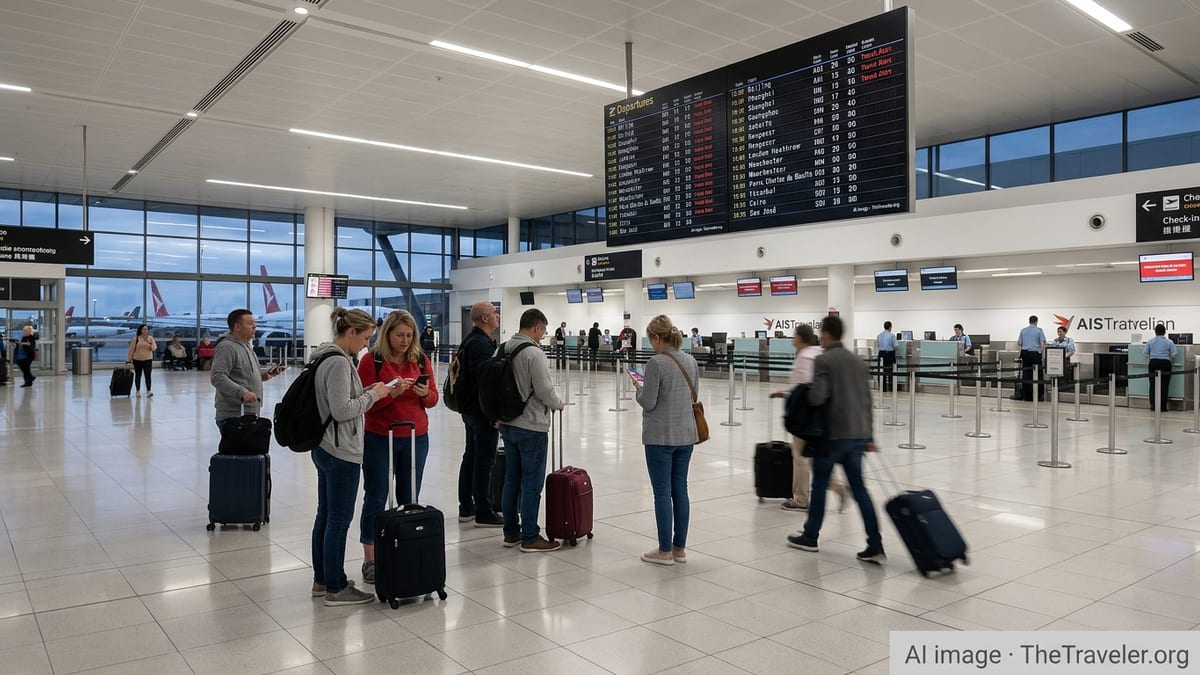
Heightened Global Risk Prompts Fresh Security Message
The latest alert, issued as a Worldwide Caution-style message, underscores what officials have repeatedly described in public briefings as a complex and evolving threat environment affecting U.S. citizens overseas. According to publicly available information, the State Department is drawing renewed attention to the possibility of terrorism, political violence, civil unrest and opportunistic crime in popular destinations across several continents.
The advisory does not single out one specific attack plot, but instead reflects a broad reassessment of risk amid geopolitical tensions, regional conflicts and high-profile incidents affecting Western travelers in recent months. Reports indicate that U.S. diplomatic posts have been updating their own local security messages in parallel, tailoring guidance to conditions in countries ranging from traditional European city breaks to long-haul adventure destinations.
The warning reiterates that Americans abroad remain potential targets for a mix of state-aligned and nonstate actors, as well as for criminal groups seeking vulnerable visitors. Travel analysts note that this type of messaging often coincides with major political anniversaries, religious holidays or security-sensitive events that can attract both crowds and increased surveillance activity.
For travelers, the practical impact is less about canceling trips outright and more about approaching upcoming itineraries with a clearer understanding of local conditions, contingency planning and basic personal security procedures that are sometimes overlooked during leisure travel.
Key Guidance for Americans Living and Traveling Overseas
Publicly available guidance from the State Department continues to emphasize several recurring themes for U.S. citizens abroad. Travelers are urged to stay alert in locations frequented by tourists, avoid demonstrations and large public gatherings and maintain a low profile where possible. The renewed warning highlights that even peaceful protests can quickly turn confrontational, potentially leading to transportation disruptions or rapid security clampdowns.
The advisory also draws attention to the importance of monitoring local media and reviewing country-specific Travel Advisories before and during trips. These advisories, which range from routine exercise caution alerts to do not travel guidance, outline risks such as terrorism, kidnapping, crime, health concerns and natural disasters, and they are updated as conditions change.
In addition, Americans overseas are strongly encouraged to enroll in the State Department’s free traveler enrollment program so they can receive security updates and make it easier for U.S. embassies and consulates to contact them in an emergency. Public information further recommends that long-term residents ensure that local contact details, address information and emergency plans are up to date for every family member, including children.
Financial and document preparedness also feature prominently in the current messaging. Authorities advise keeping digital and physical copies of passports, visas and key identification in secure but accessible locations, and maintaining some backup funds in case of sudden transportation changes, temporary displacement or the need to relocate within a country on short notice.
Regional Hotspots and Evolving Risk Patterns
While the renewed warning is global in scope, analysts point to several regions where risks to U.S. travelers have been particularly acute. Ongoing conflicts and political instability in parts of the Middle East, Eastern Europe, the Sahel and other areas have generated repeated country-level alerts in recent months, reflecting concerns about missile strikes, drone activity, armed clashes and sporadic attacks near border areas.
In some destinations, kidnapping and ransom incidents, banditry and organized crime have prompted specific do not travel or reconsider travel advisories. According to recent travel security assessments, high-profile foreign nationals can attract unwanted attention from criminal networks, particularly in areas where armed groups control territory or where local law enforcement has limited reach.
Popular tourist cities are not exempt from the broader trend. Crowded transport hubs, entertainment districts, religious sites and major public events are repeatedly identified in open-source assessments as potential targets for opportunistic attacks or theft. As international travel volumes have rebounded, security specialists note a corresponding return of pickpocketing, scams and overnight theft on public transport, which can be particularly disruptive for independent travelers and backpackers.
At the same time, cyber risks continue to expand. Public advisories caution that unsecured public Wi-Fi networks, shared computers and fraudulent travel or accommodation platforms can expose travelers to financial loss and identity theft, sometimes creating longer-term problems that persist well after the trip ends.
Practical Steps for Travelers and Long-Term Residents
For Americans planning trips in the coming months, travel planners suggest building security considerations into each stage of the journey. This can include selecting accommodations in well-lit neighborhoods with reliable front-desk staffing, arranging airport transfers through reputable providers and sharing itineraries with a trusted contact at home. Travel news coverage frequently highlights cases where simple measures such as using registered taxis, avoiding poorly lit shortcuts at night and safeguarding passports have reduced exposure to opportunistic crime.
Long-term residents are encouraged to maintain regular contact with local communities and stay informed about neighborhood dynamics that might not appear in national-level advisories. Public guidance emphasizes the value of understanding local emergency numbers, nearby hospitals, secure banking locations and the safest routes between home, work and schools, particularly in cities where sudden protests or strikes can disrupt normal traffic patterns.
The State Department’s current messaging also underscores the importance of flexible travel arrangements. Fully refundable or changeable tickets, hotel bookings with clear cancellation terms and comprehensive travel insurance that covers medical evacuation and trip disruption can significantly reduce stress if conditions deteriorate or if a country-level advisory is raised to a more restrictive level.
Families traveling with children, older adults or travelers with medical conditions are advised to pay special attention to health infrastructure and prescription availability. Public information from health and travel organizations recommends carrying necessary medications in original packaging, obtaining written prescriptions and knowing in advance where to seek urgent care in destination cities.
What the Warning Means for Upcoming Trips
For many Americans, the timing of the renewed warning coincides with busy travel periods, including late summer holidays, study abroad programs and business trips scheduled around major trade fairs and conferences. Travel industry observers note that most itineraries will proceed without incident, but the overall tone of the advisory makes clear that complacency remains a risk.
Rather than signaling a halt to international travel, the message encourages U.S. citizens to align their plans with the realities of a more volatile global environment. This includes having backup accommodation options, carrying a small emergency kit with essentials such as basic first aid supplies and knowing how to quickly reach both local emergency services and the nearest U.S. embassy or consulate.
Publicly available guidance further recommends that travelers consider how easily they could leave a destination on short notice. Factors such as access to multiple airports or train stations, diverse airline options and clear knowledge of overland routes can become important if commercial flights are disrupted or if local authorities impose curfews or movement restrictions.
As global travel patterns continue to normalize after years of pandemic-related disruption, the renewed State Department warning serves as a reminder that risk-aware planning is now a standard part of international travel. For Americans abroad, the core message is to stay informed, remain alert to changing conditions and be prepared to adjust plans quickly if circumstances demand it.