


Choosing between Admiral Travel Insurance and Post Office Travel Insurance matters far more than most travellers realise. Both are big UK names, both promise to step in when your trip goes wrong, and both appear side by side on comparison sites. Yet the details of their cover, from medical limits to gadget protection, can mean the difference between a fully paid claim and a painful holiday bill. This guide looks at how Admiral and Post Office compare in 2026 based on their latest published benefits and independent reviews, and helps you decide which is the better fit for your next trip.
Get the latest updates straight to your inbox!
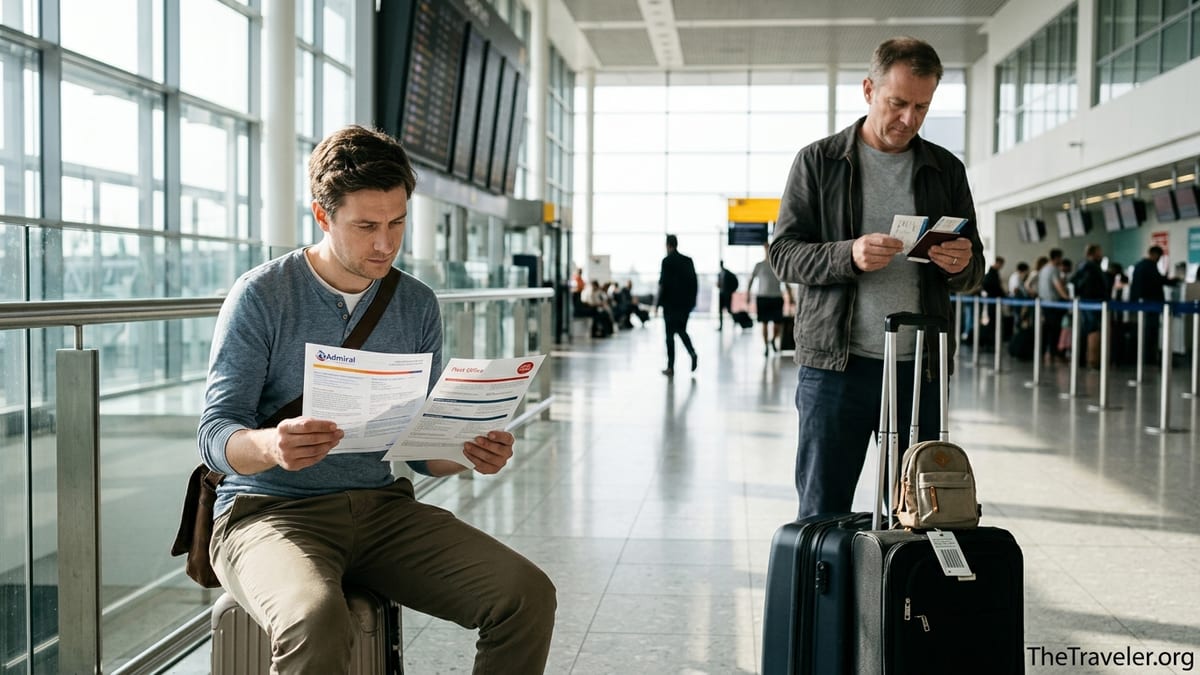
How Admiral and Post Office Travel Insurance Compare at a Glance
Admiral and Post Office both sell single trip and annual multi‑trip policies, with tiered levels of cover. Admiral typically offers three tiers for most products, branded Admiral, Gold and Platinum, while Post Office offers tiers such as Economy, Standard and Premier on many of its policies. Both are aimed at UK residents taking trips in Europe or worldwide, with optional extras for cruises and winter sports.
In practical terms, the average UK traveller choosing between them is weighing up medical cover limits, cancellation amounts, baggage protection, and how flexible each insurer is about pre‑existing medical conditions. For example, Admiral’s Platinum tier can provide emergency medical cover up to around £20 million, while Post Office’s top‑tier policies also run into the millions, more than enough for most scenarios such as a broken leg in the United States or an emergency appendectomy in Canada.
One important similarity is that both brands now include some level of Covid‑related cover, typically for emergency medical treatment and, in some cases, cancellation if you test positive shortly before travel. The exact triggers and limits differ by tier, so this is an area where reading the wording for your chosen level of cover is essential rather than assuming all Covid‑related issues are covered.
Where they start to diverge is in some of the additional benefits, such as catastrophe cover, optional gadget insurance, and how generous each provider is with trip disruption, missed departure and extended accommodation costs when airlines or airports fail you. These extras may sound secondary, but if you are stranded abroad by an airspace closure or volcanic ash cloud, the fine print becomes very real.
Cover Levels, Money Limits and What They Mean in Real Life
Admiral’s single trip policies are structured with increasing limits as you move from Admiral through Gold to Platinum. On recent policy examples, emergency medical treatment and repatriation limits tend to be around £10 million on Admiral, £15 million on Gold and £20 million on Platinum. Cancellation limits can range from approximately £1,500 on the entry level to around £5,000 on Platinum, while baggage cover can increase from around £1,000 to roughly £3,000 at the top tier.
To see what that means in practice, imagine a family of four booking a £4,200 summer package holiday to Florida. With Admiral’s basic tier, they would risk being under‑insured for cancellation, because the total holiday cost is higher than the £1,500 cap that might apply. By contrast, a higher Admiral tier or a Post Office Premier‑type policy with a cancellation limit closer to £5,000 would more comfortably cover the full cost if illness forced the family to cancel the whole trip shortly before departure.
Post Office’s top‑tier policies, as summarised in recent independent reviews, typically offer cancellation cover in the same ballpark, often around £5,000 per person or per trip depending on the product, along with multimillion‑pound medical cover. That is more than adequate even for high‑cost destinations such as the United States, where a single night in intensive care can run into tens of thousands of pounds.
Another real‑world example is gadget cover. Admiral lets many travellers add a gadget extension, which can cover phones, tablets and laptops up to a specified limit. This is useful if you are heading to a city break in Barcelona with a £900 smartphone and a £1,200 laptop in your cabin bag. Post Office also offers baggage and valuables limits, but if high‑value tech is central to your trip, Admiral’s dedicated gadget upgrade can be a compelling advantage.
Covid‑19, Medical Emergencies and Pre‑Existing Conditions
For medical emergencies abroad, both Admiral and Post Office provide 24‑hour assistance lines and substantial medical and repatriation limits. In 2026, this includes help arranging air ambulances and medical escorts if you suffer a serious incident such as a stroke while skiing in France or a road accident in Thailand. In these high‑cost cases, a £10 million or £20 million limit is effectively there to ensure that even the most expensive evacuations and hospital stays are covered.
Covid‑19 remains a focal point for many travellers. Admiral’s current wording highlights that its travel insurance will cover certain events related to coronavirus, provided you have a positive test and active cover at the time of the event. Typical scenarios might include needing to cancel because you test positive a few days before departure, or requiring emergency treatment abroad after a sudden deterioration from Covid‑19.
Post Office’s most recent policy summaries show similar inclusion of Covid‑related medical cover and, on some tiers, cancellation if you or a travelling companion test positive close to departure. However, neither provider treats Covid as an unrestricted catch‑all. For instance, government travel bans, broad lockdowns or a simple fear of travelling are generally not valid reasons to claim on either insurer’s standard policies.
Pre‑existing medical conditions are an area where travellers often encounter friction. Admiral requires you to declare any relevant conditions, including Covid‑19 diagnoses within the previous two years if they were treated or required medical consultation. Post Office follows the same general approach of full medical disclosure and sometimes directs customers with complex conditions to specialist providers. If you have, for example, a long‑term heart condition or are actively undergoing investigation for a neurological issue, you may find one provider accepts you with an additional premium while the other suggests contacting a medical travel insurance specialist instead.
Trip Disruption, Strikes, Weather and Catastrophes
Trip disruption is where the two brands can look similar in marketing language but feel quite different when a real incident hits. Admiral’s policies usually include cover for delayed or missed departures, extra accommodation and food up to set limits, and additional costs if you must reroute due to airspace closures or new government advice. Its FAQs explicitly mention support when flights are cancelled or delayed for longer than the period stated in the policy, including an allowance per person per day for extended stays if you cannot get home.
Consider a traveller stuck in Tenerife after a sudden air traffic control failure grounds flights back to the UK for 36 hours. With Admiral, once the delay threshold is met and the airline has not provided suitable accommodation, you may be able to claim for additional hotel nights, reasonable food expenses, and alternative transport to get you home. Post Office’s policies offer similar benefits, such as travel delay compensation and missed departure cover, but the specific amounts and qualifying delay times vary between tiers.
Another important feature is catastrophe cover. Admiral makes catastrophe benefits available on higher tiers, like Gold and Platinum, covering events such as hurricanes, earthquakes, volcanic activity and medical epidemics or pandemics. This can help pay for additional accommodation or travel if, for instance, your beach resort in Jamaica is closed due to a hurricane or your hotel in Bali is evacuated after a volcanic eruption. Post Office offers its own form of catastrophe or natural disaster cover on certain tiers, again usually tied to higher‑end products.
For the modern traveller, industrial action is also a real risk. Both providers typically offer some protection if your trip is disrupted by airline or airport strikes, within the bounds of their policy wording. However, you should not assume automatic cover if you book a trip after strike dates have been widely announced. In those situations, insurers may treat the disruption as a known event and limit or exclude claims arising from it.
Prices, Excesses and Real‑World Quotes
In recent 2026 reviews on comparison and insurance advice sites, Admiral often positions itself as competitively priced, particularly when bought as part of its multicover bundles that combine home, motor, pet and travel insurance on a single renewal date. A typical example might be a 30‑year‑old solo traveller in Manchester buying Admiral annual multi‑trip European cover at a headline price in the low tens of pounds for the basic tier, with higher tiers costing more depending on medical history and add‑ons.
Post Office, by contrast, frequently markets itself to older travellers and families who value the brand’s familiarity from its high‑street presence. For a couple in their early sixties planning three European city breaks over 12 months, recent quote examples have shown Post Office coming in slightly higher in price than budget online‑only brands but broadly comparable with Admiral’s mid‑tier products when matched for cover levels and excesses.
Excess amounts are critical to understand. Admiral often uses different excess levels across sections, such as a standard excess of around £100 on many claims, with higher or lower amounts depending on the section and tier. Post Office follows a similar structure. If you choose a policy with a high voluntary excess to cut the premium, that can materially reduce the value of smaller claims. For example, claiming £200 for a stolen cabin bag in Rome might not be worthwhile if your excess is £150.
Real travellers regularly underestimate how much cancellation cover they need and overestimate how much baggage cover they will use. When comparing Admiral and Post Office prices, a good rule of thumb is to match cancellation limits to the full cost of your most expensive realistic trip in the coming year and then look at baggage only after that. If one provider lets you reach the right cancellation limit at a lower price for similar medical cover and excesses, that is often the better monetary choice for most UK holidaymakers.
Who Each Insurer Suits Best
No single brand is best for everyone, and Admiral and Post Office appeal to slightly different traveller profiles. Admiral is particularly attractive if you like to manage your insurance online, appreciate having car, home and travel with one provider, and want the option of add‑ons such as cruise cover, winter sports cover and gadget protection within a flexible menu of upgrades.
Post Office, on the other hand, often resonates with travellers who prefer a well‑known legacy brand and may feel more comfortable walking into a branch for information or phoning a long‑established customer service line. It can be a strong contender for older travellers and families who are less price‑sensitive and more focused on the reassurance that comes with a household name.
Imagine a 25‑year‑old solo traveller planning budget hostel trips across Eastern Europe, carrying a mid‑range smartphone and occasionally renting scooters. They might be drawn to Admiral’s lower entry‑level premium and optional hazardous activities cover for things like coasteering or motorcycling of certain engine sizes in Europe. Meanwhile, a retired couple planning a £6,000 cruise and several UK breaks might lean toward a higher‑tier Post Office or Admiral policy with cruise add‑ons, but may give extra weight to Post Office’s brand recognition and reputation for dealing with older customers.
The right choice also depends heavily on your medical history, trip style and whether you prioritise high gadgets limits, broad catastrophe cover, or generous cancellation for UK breaks. In some cases, you may find Admiral cheaper for similar cover; in others, Post Office might quote a better price once your full medical details are factored in. Comparison sites and direct quotes remain essential because the “winner” can switch depending on your personal profile.
The Takeaway
Looking purely at the breadth of features, online manageability and competitiveness of pricing in 2026, Admiral has a slight edge for many mainstream UK travellers, especially those under 60 taking a mix of European city breaks and occasional long‑haul trips. Its tiered structure, strong medical limits and optional gadget and activity upgrades make it easy to tailor a policy to a modern travel lifestyle that is heavy on tech and light on paper forms.
Post Office Travel Insurance remains a solid and trusted option, particularly for travellers who value the familiarity of the brand and who are willing to pay a small premium for that reassurance. Its higher‑tier policies broadly match Admiral’s on the core elements of medical and cancellation cover, and it remains a very credible choice for older travellers, family holidays and those who prefer a more traditional customer service experience.
Ultimately, the real winner is the policy that matches your actual trip costs, destinations and medical history. Before you buy either Admiral or Post Office, list the non‑refundable value of your bookings, check that this is fully covered by the cancellation limit, review how much baggage and gadget cover you genuinely need, and pay attention to the sections on Covid‑19, strikes and catastrophes. With that groundwork, either of these well‑known UK insurers can provide robust protection for your next journey.
If you travel frequently or have complex health needs, it is worth getting live quotes from both brands for the same trip details and comparing them side by side. A difference of a few pounds in premium can hide big differences in excesses, exclusions and add‑on options, so the time you spend comparing now can be worth far more than the cost of the policy if your next trip does not go to plan.
FAQ
Q1. Is Admiral or Post Office travel insurance better for a single two‑week holiday?
For a straightforward two‑week trip, the better option is usually the one that gives you adequate medical and cancellation cover at the lowest total cost, once excesses and add‑ons are considered. Admiral often prices competitively on basic and mid‑tier single trip policies, while Post Office can be similar or slightly higher depending on your age and destination. Check which policy fully covers the cost of your flights and accommodation and provides at least several million pounds of medical cover before choosing.
Q2. Which insurer is better for annual multi‑trip cover?
Both Admiral and Post Office offer annual multi‑trip policies, but Admiral’s pricing and online management tools often make it particularly attractive for frequent travellers. If you take three or more trips a year, Admiral’s annual cover can work out cheaper than repeated single trip policies, and Post Office can be a good alternative if you prefer its brand and are comfortable with its trip‑length limits and pricing. Always compare the maximum trip duration per journey and any age limits when deciding.
Q3. How do Admiral and Post Office compare on Covid‑19 cover?
Both brands now include some Covid‑related benefits, typically covering emergency medical treatment if you fall ill abroad and, on some tiers, cancellation if you test positive shortly before departure. However, neither tends to cover general fear of travel, broad government travel bans or lockdowns as standalone reasons to cancel. Before buying, read each insurer’s latest Covid section to confirm which events are covered, how close to departure a positive test must be, and what evidence you need to provide with a claim.
Q4. Which is more suitable for travellers with pre‑existing medical conditions?
Both Admiral and Post Office require full disclosure of pre‑existing conditions and may charge extra or decline cover depending on your health history. In practice, some travellers report Admiral quoting more competitively for certain conditions, while others find Post Office more flexible. If you have heart disease, recent cancer treatment, or are waiting for tests or surgery, obtain quotes from both and be prepared that one or both may direct you to a specialist medical travel insurer if your situation is complex.
Q5. Do Admiral and Post Office cover adventure activities and winter sports?
Yes, but often only when you select the relevant add‑on or buy a policy that includes those activities. Admiral offers winter sports and hazardous activities cover for things like skiing, snowboarding and some higher‑risk pursuits, subject to its activity list. Post Office also provides winter sports and certain adventure activities on specific tiers or as extra cover. If you are planning to ski in the Alps or go coasteering in Wales, confirm that your chosen policy specifically lists those activities before travelling.
Q6. Which insurer is better for cruises?
Both insurers provide cruise cover, usually as an optional extra or within higher‑tier policies. Admiral’s cruise upgrade can include protection for missed ports and medical evacuation from a ship, while Post Office’s cruise options aim at similar scenarios such as missed ports, cabin confinement and medical emergencies. For a £4,000 Mediterranean cruise, the winner is the policy that clearly covers cruise‑specific risks, has sufficient cancellation limits for the full cost and offers strong medical and repatriation benefits at sea.
Q7. How do baggage and gadget limits differ between Admiral and Post Office?
Admiral’s higher tiers can offer baggage limits of around £3,000, and travellers can often add a gadget extension for high‑value items such as smartphones and laptops. Post Office also covers baggage and valuables but may place lower sub‑limits on individual items or gadgets unless you choose a higher tier. If you are travelling with multiple devices worth several thousand pounds in total, Admiral’s dedicated gadget cover can be a significant advantage, but you should compare both policies’ single‑item and overall limits.
Q8. Which policy is likely to be cheaper for younger travellers?
For younger travellers in their twenties and thirties without serious medical conditions, Admiral often comes out slightly cheaper on comparison sites for similar levels of cover, particularly at entry and mid‑tier levels. Post Office can still be competitive, especially for European trips and family policies, but it is more often chosen for brand familiarity than being the absolute cheapest. Because premiums change regularly, the only reliable approach is to run like‑for‑like quotes with the same trip dates, destinations and cover limits.
Q9. Are there advantages to buying directly rather than through a comparison site?
Buying directly from Admiral or Post Office can occasionally unlock exclusive discounts, bundled offers or additional cover options that are not visible on comparison sites. For example, Admiral’s multicover products that combine home, motor and travel may only be available directly. However, comparison sites are useful for quickly seeing how Admiral and Post Office stack up against each other and rivals. Many travellers start with a comparison for price and then click through to the insurer’s own site to double‑check the full wording before purchasing.
Q10. How do I decide between Admiral and Post Office for my next trip?
Start by listing your trip costs, destinations and any known health conditions. Get quotes from both Admiral and Post Office using the same details and choose cancellation limits that match or exceed your non‑refundable costs. Then compare medical limits, excesses, and any add‑ons you need, such as winter sports, cruise or gadget cover. Finally, consider how you prefer to manage your policy, whether that is entirely online with Admiral or with the long‑established Post Office brand. The best choice is the one that fits your real plans and risk tolerance, not just the lowest headline price.