


Choosing where to stay in Montenegro shapes everything about your trip. Distances are short, but the feel of each town is very different, from Kotor’s medieval walls and Budva’s busy nightlife to sleepy Perast and the mountain air of Žabljak. This guide compares the main coastal and inland bases, highlights car-free friendly options, and gives real-world examples of what you can expect to pay, how easy it is to get around, and who each place suits best.
Get the latest updates straight to your inbox!
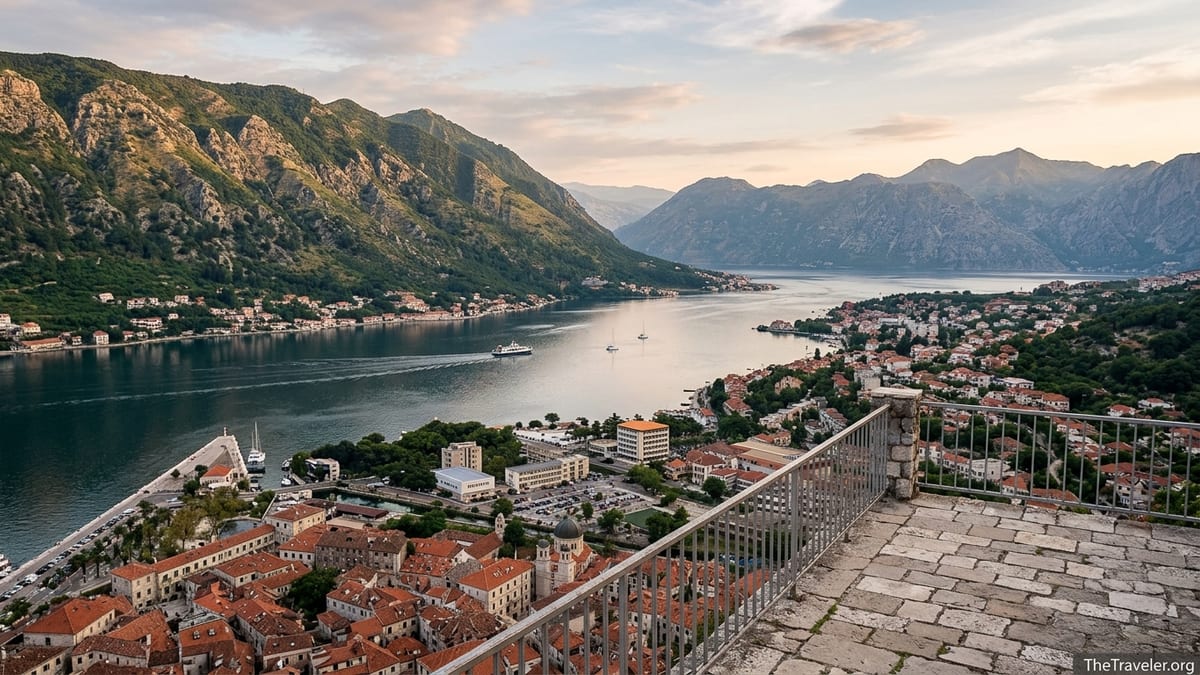
Kotor and the Bay: Atmosphere, Views and Car-Free Charm
Kotor is Montenegro’s most atmospheric base, a UNESCO-listed old town ringed by mountains at the end of the Bay of Kotor. Inside the walls you walk everywhere: stone lanes, small squares and hundreds of steps up to the fortress. In peak summer the old town is busy with cruise ship day-trippers, but early mornings and evenings feel magical. Many travelers choose a two or three night stay here, then move on to a beach town for a different side of the coast.
Accommodation inside Kotor’s walls is mostly boutique guesthouses and apartments carved into old stone buildings, with limited space and higher demand. In July and August, a good midrange double inside the old town typically starts around 90 to 130 euros per night, while characterful options can climb well above 200 euros. Just outside the gates and around the bay in areas like Dobrota or Muo, simple waterfront rooms and apartments can be 20 to 30 percent cheaper than similar quality in the old town, especially if you book a few months ahead.
For a partly car-free stay, Kotor works well. The bus station is only a short walk from the old town, with regular services along the coast to Budva, Tivat and Herceg Novi, and onward connections to Podgorica and Cetinje. From Kotor you can take boat trips directly from the waterfront to small swimming spots and nearby villages, so you do not necessarily need a car for a short coastal holiday. The main limitation is that the town does not have a true city beach, only narrow swimming jetties and small patches of pebbles along the bay.
If you want the bay scenery but even more tranquility, consider staying in Dobrota, Prčanj or Muo rather than inside the walls. In these waterfront villages you will find family-run apartments where a studio with a balcony and sea view can start around 60 to 80 euros in high season. You can still reach Kotor by local bus or taxi in 10 to 20 minutes, but you escape the cruise crowds and have quieter swimming spots almost at your doorstep.
Budva and the Riviera: Nightlife, Beaches and Big-Resort Energy
Budva is Montenegro’s main beach and nightlife hub, set roughly in the middle of the coast. The compact old town sits on a small peninsula, but most hotels and apartments are spread along the long town beach and the modern streets behind it. If your priority is being able to walk from your accommodation to a sandy or pebbly beach in a few minutes, or you want bars and clubs open late, Budva is usually the best base.
Prices in Budva span a wide range. In summer, basic studios a short walk behind Slovenska Plaža beach can start around 50 to 70 euros per night, while large seafront hotels and brand-name properties easily reach 180 to 300 euros and above, especially in August. South of town, the linked resorts of Bečići and Rafailovići offer long, wide beaches and a high concentration of midrange package-style hotels, often slightly cheaper than staying right by Budva’s old town. This makes them a strong choice for families or couples who want a beach holiday feel with straightforward bus or taxi access into Budva for an evening out.
Budva’s nightlife is the strongest on the Montenegrin coast. Expect busy cocktail bars in and around the old town, open-air clubs along the waterfront and summer festival stages that run into the early hours. This also means noise and traffic in July and August. If you want to sleep earlier, look for accommodation either in Bečići, which feels more resort-like and slightly calmer, or on the quieter uphill streets above the old town where you gain views and lose some of the late-night sound.
For a mostly car-free beach stay, Budva and its nearby resorts work particularly well. The coastal M-1 highway links Budva with Kotor, Bar and Ulcinj, and there are frequent local buses in both directions. From Budva you can hop on boat taxis to small nearby islands and coves, or take organized day trips inland to Cetinje or Lovćen National Park without hiring a car. The main trade-off is that the town feels busy and built up, especially compared with the quieter villages around the Bay of Kotor.
Tivat, Perast and Herceg Novi: Bayside Alternatives
Tivat sits on the Bay of Kotor close to an international airport, making it practical for late-night or early-morning flights. The town has developed around a modern marina lined with polished promenades, cafés and upscale hotels and apartments. Stays here tend to appeal to travelers who prefer contemporary comfort and easier parking over medieval charm. In high season, a modern one-bedroom apartment within walking distance of the marina often starts around 80 to 120 euros per night, with luxury hotels considerably higher.
Although there is some small-town beach access around Tivat, most visitors use it as a base for exploring the bay rather than as a pure beach destination. Regular buses connect Tivat to Kotor in around half an hour, and you can also use taxi boats and organized bay cruises. Without a car, Tivat works reasonably well thanks to its compact waterfront and airport proximity, but compared with Kotor there is less historic atmosphere and a slightly more resort-like feel.
Perast, on the opposite side of the bay from Kotor, is one of Montenegro’s most romantic villages. It is essentially a single waterfront street of stone palaces and churches, facing two small islets with famous churches on them. Accommodation here is limited and tends to be small guesthouses and boutique hotels. Prices are similar to or slightly above Kotor for rooms with direct sea views, and availability can be tight in July and August. Many travelers now treat Perast as a half-day trip from Kotor or Dobrota, but if you stay overnight you get the quiet evenings and early mornings that day-trippers miss.
Herceg Novi sits near the Croatian border at the outer entrance to the Bay of Kotor. It has a layered old town on the hill and a long, mainly pedestrian waterfront promenade that stretches along several small beaches and swimming platforms. Because it is slightly removed from the main cruise ship routes and the densest resort development, Herceg Novi often feels more laid-back and local than Budva or central Kotor Bay. Midrange apartments or guesthouses within a short walk of the promenade can often be found from around 60 to 90 euros in high season, sometimes less outside peak August.
Ulcinj and the Southern Coast: Long Beaches and Lower Prices
Ulcinj, in the far south near the Albanian border, offers a very different feel from the central Montenegrin coast. The old town sits on a rocky headland, while below it stretch city beaches that eventually give way to Velika Plaža, a famous sandy beach that runs for many kilometers. This makes Ulcinj one of the best options in the country for travelers who prioritize long, relatively undeveloped stretches of sand over dramatic mountain scenery.
Because Ulcinj is farther from the busiest hubs and major airports, nightly prices here are often lower than in Budva or Kotor for comparable accommodation. In high season, simple apartments near the town beach or on the slopes below the old town can start around 40 to 60 euros per night, with seafront hotels and newer resorts closer to Velika Plaža priced higher but still typically under the rates found on the Budva Riviera. The trade-off is that journey times to the Bay of Kotor are longer, and bus connections, while present, are less frequent and slower than coastal hops between Budva, Kotor and Bar.
For car-free travelers, Ulcinj can work if you are mainly interested in staying put by the beach. Local taxis and small shuttle buses serve the long beach, and there are simple beachfront cafés, kite-surfing schools and seasonal beach clubs dotted along the sand. However, if you want to use Ulcinj as a base for frequent day trips back up the coast to places like Kotor, Perast or Tivat, expect multi-hour travel days and carefully check bus schedules, especially outside July and August when services reduce.
The wider southern coast, including Bar and smaller spots between Bar and Ulcinj, offers additional options. These areas see a mix of local and regional tourism, with fewer large international resorts. They can be a good compromise for travelers who want easier access by train or road from Podgorica, plus more affordable accommodation than Budva, without going as far south as Ulcinj itself. In practice, many visitors combine two nights in the Bay of Kotor with three or four nights in the south to experience both mountain-backed bays and long open beaches.
Žabljak, Podgorica and Mountain vs City Bases
Žabljak is the main gateway town for Durmitor National Park in northern Montenegro. At over 1,400 meters altitude, it feels completely different from the coast, with alpine meadows, pine forests and a cooler climate even in high summer. Travelers who come here usually focus on hiking, rafting on the Tara River, and scenic drives rather than beach time. Staying in Žabljak can be combined with a coast base for a varied week-long itinerary.
Accommodation in Žabljak ranges from simple wooden cabins and family-run guesthouses to a handful of modern hotels. Summer prices are generally lower than in the prime coastal resorts. A basic double room in a small lodge might start around 35 to 50 euros per night, while more comfortable hotels near the Black Lake or in the center sell rooms from about 70 to 120 euros. Having a car gives you the most flexibility for trailheads and viewpoints, but organized day tours from the coast are increasingly common for those who prefer not to drive.
Podgorica, the capital, is usually a transit or business base rather than a primary holiday destination. It sits inland on the plain between the coast and the mountains, with rail and road connections to both. The city has a growing number of branded hotels and modern apartments, which can be attractive for a short pre- or post-flight stay, especially if you are arriving late at night or flying out early. Prices are often noticeably lower than in coastal hotspots, with midrange city-center hotels sometimes starting around 70 to 100 euros even in summer.
If you want to explore inland sights like Lake Skadar, Cetinje or local wineries, a night or two in Podgorica can be practical. The bus and train stations offer links to Bar on the coast and to northern towns like Kolašin and Bijelo Polje. For a purely leisure-focused trip, however, most travelers prefer to base themselves either on the Bay of Kotor or the coast and visit Podgorica briefly, if at all.
Car-Free Montenegro: Where to Stay Without Driving
Traveling Montenegro without a car is increasingly common, especially in high season when traffic and parking on the coast can be stressful. If you want a convenient, car-free base, prioritize places with walkable centers and good bus connections. Kotor, Budva, Tivat and Herceg Novi stand out in this respect, along with Budva’s resort strip in Bečići and Rafailovići. In these towns you can arrive by bus or transfer, check in, and then walk to beaches, restaurants and boat piers without needing a vehicle.
Kotor’s strength for car-free travelers lies in its compact walled town and proximity to the main coastal bus route. You can stay inside the old town or in nearby Dobrota, use intercity buses for day trips to Budva or Herceg Novi, and book organized excursions to Lovćen or Lake Skadar. The main downside is that the town does not have wide beaches, so you may rely on swimming jetties along the bay or short taxi rides to better bathing spots.
Budva is even more straightforward for a beach-focused, car-free stay. From a hotel or apartment behind Slovenska Plaža or in Bečići you can walk to multiple beaches, supermarkets and evening entertainment. The main bus station is a 10 to 20 minute walk from many hotel areas, and local buses run frequently up and down the coast. Be prepared for crowds in July and early August, and consider traveling in June or September if you want warm sea temperatures with lighter traffic.
Herceg Novi is another strong car-free option because of its long, mostly pedestrian seafront promenade. You can stay in a guesthouse uphill in the old town or near the promenade, walk to cafes and small beaches, and use local buses or seasonal boats to reach other points around the bay. Tivat also works well for those combining a short break with a flight in or out of its nearby airport, especially if you choose accommodation within walking distance of the marina and town beach.
Matching Towns to Travel Styles and Trip Length
For a first visit of five to seven nights, many travelers choose one coastal base plus an optional short side trip. A common pattern is three or four nights in Budva or Bečići for easy beaches and nightlife, combined with two or three nights in Kotor or Dobrota for old-town atmosphere and bay scenery. This split lets you experience both sides of coastal Montenegro without long transfers or complicated logistics.
If your priority is culture and views with a quieter vibe, consider centering your stay around the Bay of Kotor. Two or three nights in or near Kotor, plus one or two nights in Herceg Novi or Perast, give you access to boat trips, hillside viewpoints and small stone villages. In this case you might only dip into Budva for a single afternoon or evening rather than using it as a base. Using public buses and taxis around the bay works well for such an itinerary.
Beach-focused travelers who also enjoy nightlife are usually happiest staying in Budva, Bečići or Rafailovići for most of their trip, then visiting Kotor on a day trip. From Budva, Kotor is about an hour away by bus in normal traffic, so it is simple to walk the walls, explore the alleys and return the same evening. If you prefer wider beaches with a more relaxed feel, adding time in Ulcinj or on Velika Plaža can round out the trip, keeping in mind the longer transfers needed.
Adventure travelers and those visiting in shoulder season might combine the coast with the mountains. For example, a traveler arriving into Podgorica could spend one night in the capital, two nights in Žabljak for hiking and Tara Canyon rafting, then finish with three or four nights between Kotor Bay and Budva. In May, June, September or early October you avoid the peak coastal crowds while still having pleasant temperatures in both the mountains and by the sea.
The Takeaway
Montenegro’s compact size means you can see a lot in a short time, but choosing the right base still matters. Kotor and the Bay deliver stone alleys, mountain walls and tranquil evenings by the water. Budva and its nearby resorts offer long beaches and a strong nightlife scene. Tivat, Perast and Herceg Novi provide alternative takes on the bay, each with its own balance of convenience, character and crowds.
For car-free travelers, a week split between Kotor Bay and Budva or Bečići is usually the easiest solution, with regular buses and organized tours covering most sights. Those chasing quieter sands or better value can push farther south to Ulcinj and the long beaches near the Albanian border, while hikers and nature lovers should carve out at least a couple of nights in Žabljak or another northern mountain town.
Instead of looking for a single “best” place to stay in Montenegro, think about what you most want each day to feel like: waking up in a medieval lane, stepping straight onto a city beach, strolling a quiet bayside promenade, or breathing cool mountain air. Once you match your base towns to those daily rhythms, Montenegro becomes a very easy country to enjoy.
FAQ
Q1. Is Kotor or Budva better as a base for a first trip to Montenegro?
Kotor is better if you want history, views and a quieter atmosphere, while Budva suits travelers who prioritize beaches, nightlife and resort-style convenience.
Q2. Can I visit Montenegro without renting a car?
Yes. Buses and organized tours link the main coastal towns, and places like Kotor, Budva, Tivat and Herceg Novi are walkable once you arrive. A car only becomes essential for more remote mountains and villages.
Q3. Where should I stay in Montenegro for the best nightlife?
Budva is the main nightlife hub, with beach bars, open-air clubs and late-night venues. Staying near the old town or along the seafront keeps you within walking distance of most evening spots.
Q4. Which town in Montenegro has the best beaches for families?
Bečići and Rafailovići, just south of Budva, have long, fairly wide beaches with a resort feel and many family-friendly hotels, cafés and activities directly on the waterfront.
Q5. Is Perast a good base, or just a day trip?
Perast can be a beautiful overnight base if you want peace and romance, but accommodation is limited and transport less frequent. Many visitors choose to stay in Kotor or Dobrota and visit Perast for half a day by boat or bus.
Q6. Is Ulcinj too far from Kotor and Budva for day trips?
Ulcinj is several hours away from the Bay of Kotor by road, so it is best treated as a separate base for long beaches and lower prices rather than a place from which to day-trip frequently to Kotor or Budva.
Q7. What is the best base in Montenegro if I want to hike and enjoy nature?
Žabljak, near Durmitor National Park, is the best-known mountain base, with access to hiking trails, lakes and rafting. Many travelers combine a few nights there with time on the coast.
Q8. Is Podgorica worth staying in for tourists?
Podgorica is mainly a transit or business stop. Staying a night or two can make sense for flight times or trips to Lake Skadar and nearby wineries, but most leisure travelers focus their stays on the coast or in the mountains.
Q9. What is a good itinerary if I have one week in Montenegro without a car?
A practical car-free plan is three nights in Kotor or Dobrota for the bay and old town, followed by four nights in Budva or Bečići for beaches and nightlife, using buses and day tours for side trips.
Q10. When is the best time to visit Montenegro to avoid crowds but still enjoy the beach?
June and September usually offer warm sea temperatures and active seasonal services with fewer crowds and slightly lower prices than peak July and August, especially in Budva and Kotor.