


More news on this day
AirAsia X has reported a 9 percent year on year increase in passengers carried at the start of 2026, highlighting resilient demand across its medium haul network even as the wider aviation sector navigates higher fuel costs and currency volatility.
Get the latest news straight to your inbox!
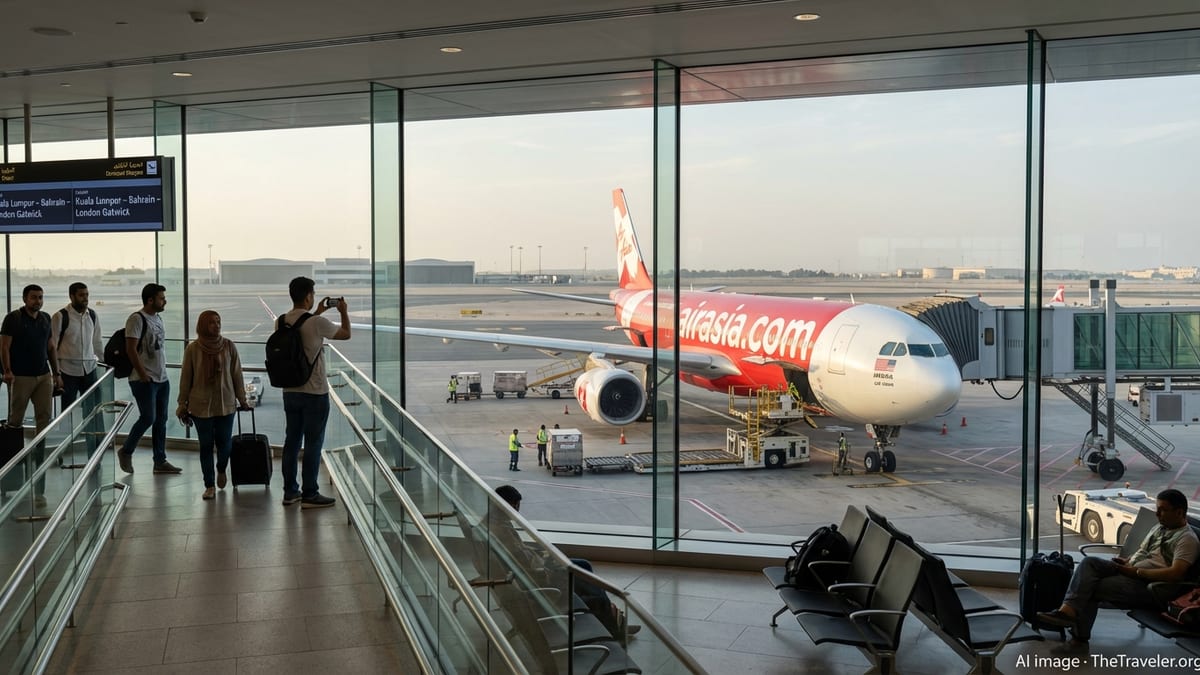
Solid Passenger Growth Outpaces Global Trend
According to recently released operating statistics for the first quarter of 2026, AirAsia X’s 9 percent rise in passenger numbers compares favorably with broader industry indicators that point to low to mid single digit global growth in air travel demand. Industry data for early 2026 show worldwide passenger demand expanding at around 4 percent, with Asia Pacific carriers slightly ahead of that pace, but still trailing the growth registered by the Malaysia based long haul low cost specialist.
Publicly available information indicates that AirAsia X has sustained a multi year recovery from the pandemic period, rebuilding traffic from 2023 onward with a focus on high density leisure and migrant worker flows. The latest quarter’s figures suggest that the airline is consolidating those gains rather than simply benefiting from one off reopening effects.
The improvement is also notable given the moderation in growth rates across parts of Southeast Asia’s tourism economy during 2025, when some markets reported softer arrivals and currency related headwinds. AirAsia X’s ability to post a higher than average passenger increase at the beginning of 2026 points to continued momentum in its core segments.
North Asia and Medium Haul Leisure Routes Drive Demand
Reports on the airline’s performance highlight particularly strong contributions from North Asia, long a key revenue engine for AirAsia X. Routes linking Malaysia and other Southeast Asian points with destinations such as Japan, South Korea and Greater China remain central to its network strategy, serving a mix of outbound leisure travelers, regional tourists and students.
Published coverage notes that capacity deployment has been tilted toward markets where visa policies have normalized and travel patterns have stabilized, enabling the airline to maintain attractive frequencies and competitive fares. This has helped support steady load factors even as more seats return to the market across the region.
Medium haul leisure routes to Australia and selected destinations in South Asia and the Middle East are also playing a role in sustaining demand. Industry observers point out that price sensitive travelers continue to favor low cost widebody options on sectors of six hours or more, a niche in which AirAsia X has specialized since its inception.
Group Consolidation and Fleet Scale Underpin Growth
The 9 percent passenger uplift comes as AirAsia X advances a broader restructuring of its corporate and fleet platform. In recent months the carrier has moved ahead with the consolidation of various AirAsia branded airline units into an enlarged group structure, an approach intended to create a more integrated low cost network across Asia.
Data from aviation analytics providers show that the combined group fleet at the start of 2026 numbers in the hundreds of aircraft, giving the business significant scale in core short and medium haul markets. For AirAsia X, access to a larger pool of connecting traffic from short haul affiliates is viewed as an important lever to fill widebody capacity and smooth seasonality on longer routes.
Analysts tracking the company suggest that this enlarged platform could help AirAsia X better absorb fluctuations in individual markets during 2026, while also providing flexibility to redeploy capacity quickly. The early year passenger statistics indicate that this strategy is beginning to translate into tangible volume growth.
Resilient Demand Amid Cost and Currency Pressures
AirAsia X’s early 2026 performance is unfolding against a backdrop of rising jet fuel prices and ongoing foreign exchange swings affecting several Asian currencies. Equity research commentary on the airline and its peers has flagged these factors as potential drags on profitability, even for carriers that are enjoying solid traffic trends.
Despite these challenges, demand for travel across much of Asia Pacific has remained comparatively robust, supported by expanding middle class incomes, a steady return of Chinese outbound tourists and resilient labor mobility. AirAsia X’s figures suggest that these structural drivers are continuing to offset cyclical cost pressures, at least in terms of passenger volumes.
Industry outlooks published for 2026 anticipate that airlines globally will see stable but unspectacular profit margins, with further gains dependent on capacity discipline and cost control. For AirAsia X, the ability to keep aircraft productively utilized and maintain ancillary revenues will be key to translating its 9 percent passenger growth into sustainable earnings.
Competitive Landscape and Outlook for 2026
The competitive landscape in Asia’s medium haul market remains intense, with full service network carriers restoring capacity and several low cost rivals pushing into longer sectors. AirAsia X’s latest operating update indicates that it is defending its position through frequency on core routes, targeted promotional activity and coordination with short haul affiliates that feed its hubs.
Market watchers note that the airline’s strategy for the remainder of 2026 will likely focus on deepening its presence in profitable corridors rather than aggressive network overexpansion. With global aircraft supply chains still tight, carriers with existing fleets in place may have an advantage in responding to pockets of demand without incurring significant additional capital commitments.
For travelers, the strong start to 2026 at AirAsia X points to continued availability of competitively priced seats across popular North Asia and Australia routes, alongside improving choice as more carriers return to pre pandemic schedules. For the airline, maintaining this 9 percent growth trajectory through the rest of the year will depend on how effectively it manages costs and navigates macroeconomic uncertainties while capitalizing on Asia’s enduring appetite for air travel.