


More news on this day
Passengers using Manchester Airport on 20 July faced a familiar picture of patchy disruption, with a mix of weather-related hold-ups, knock-on air traffic issues and a handful of outright flight cancellations affecting early morning and late evening services.
Get the latest news straight to your inbox!
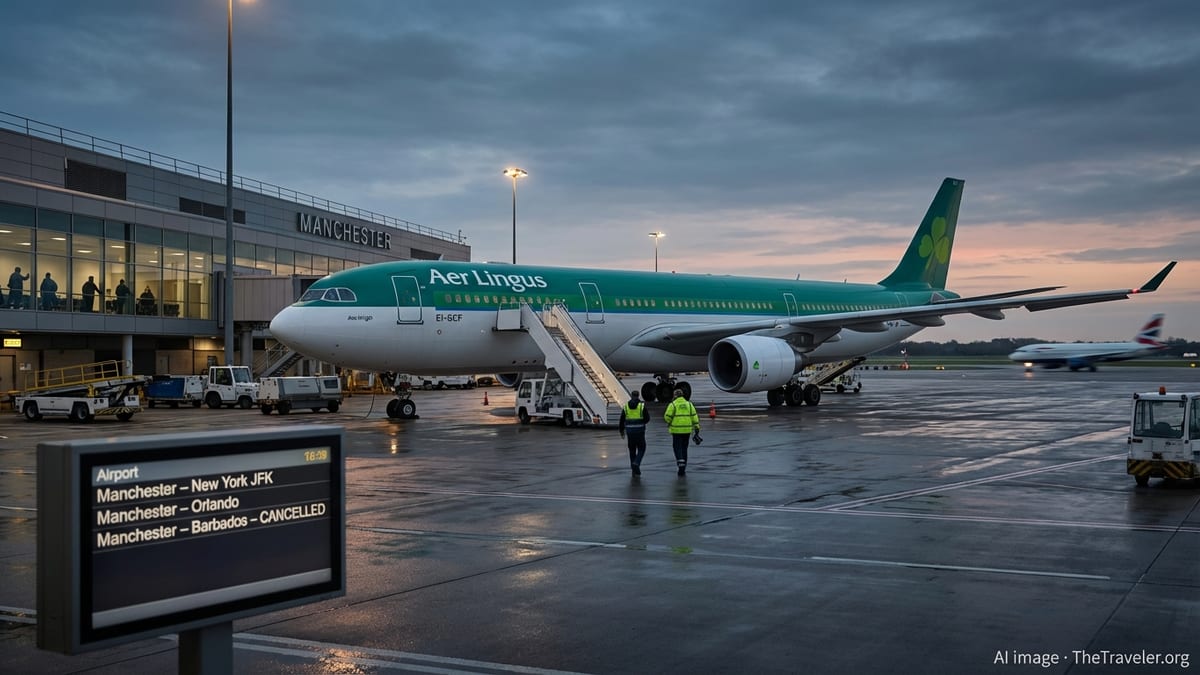
Overview of disruption on 20 July
Publicly available live departure and arrival boards for Manchester Airport on 20 July show a series of delayed services throughout the day, concentrated in the early morning peak and again in the late evening. Several services departed significantly behind schedule, while a smaller number of flights were cancelled outright, largely on short-haul leisure and European routes.
Tracking data indicates that much of the disruption built up gradually rather than from a single local incident at Manchester. Delays of 30 to 90 minutes appeared on a range of departures and arrivals, with some aircraft turning around late from previous sectors, creating knock-on schedule pressure into the afternoon and evening.
Compared with major disruption events in recent years, such as the power-cut cancellations in June 2024 or weather-linked runway restrictions over past winters, the pattern on 20 July was more limited in scope. Nonetheless, for individual travellers whose flights were cancelled or missed onward connections due to late arrivals, the impact remained significant.
Notable cancelled and heavily delayed departures
On the departure side, airport and flight-tracking information lists multiple services that either failed to operate as planned or left substantially behind schedule. Short-haul services to Mediterranean holiday destinations and key European hubs were among those most affected, reflecting both strong seasonal demand and tight aircraft utilisation in midsummer.
For example, monitoring of the Manchester to Palma de Mallorca market shows at least one evening departure classified as delayed, with its scheduled operation on 19 July pushing into the early hours of 20 July. This delay extended the disruption window for passengers who had expected to arrive on the island before midnight, as the flight’s actual arrival time slipped significantly into the following day.
Elsewhere in the schedule, a small number of point-to-point European flights were cancelled outright. These cancellations tended to appear where aircraft had already accumulated substantial delays on earlier rotations, making it operationally difficult to recover the timetable without removing a sector. In such cases, passengers were generally rebooked on later services or offered rerouting options through alternative hubs.
Arrivals affected by wider European delays
On the arrivals side, Manchester’s experience on 20 July appears to have been shaped heavily by broader air traffic patterns across Europe. Published accounts of airspace congestion on and around this date highlight pressure points at major hubs on the continent, including Amsterdam, Zurich, Rome and several popular southern European destinations, with weather cited as a key factor behind flow restrictions.
As inbound aircraft from these airports arrived late into Manchester, the delays cascaded into the local arrivals board. Some services landed more than an hour behind schedule, and in a few cases the disruption contributed to missed rail and coach connections for passengers continuing their journeys across the North West.
Long-haul services fared somewhat better, with fewer reports of outright cancellations. However, late departures from overseas hubs still translated into arrival delays in Manchester, particularly on overnight services scheduled to land in the early morning. In practical terms, that meant some passengers began their 20 July with extended waits at baggage reclaim and altered onward travel plans.
Possible causes behind the disruption
Although there were no widely reported major infrastructure failures at Manchester Airport itself on 20 July, several underlying factors likely contributed to the pattern of cancellations and delays. Summer weather across Europe, including thunderstorms and associated air traffic control restrictions, often forces aircraft to take longer routes or wait for departure slots, which can quickly erode schedule resilience.
Previous guidance documents from aviation regulators relating to earlier disruption at Manchester highlight how tightly timed peak schedules can become vulnerable when a run of delays hits at once. Once aircraft and crews fall out of position, airlines may have limited flexibility to restore normal timings within the same operating day without cancelling individual rotations.
In addition, surface transport links into the airport region were operating against a background of intermittent rail engineering work during the wider period, particularly around Manchester’s rail hubs. While these works did not directly cause flight cancellations, they reduced options for passengers seeking alternative routes after missed flights or late arrivals.
What passengers travelling today should know
For travellers using Manchester Airport on or after 20 July, recent disruption underlines the importance of checking both flight status and wider travel conditions before setting out. Live departure and arrival boards, airline notifications and real-time flight-tracking platforms together provide the clearest view of whether a specific service is running on time, delayed or cancelled.
Passengers whose flights are cancelled or heavily delayed are generally advised by consumer bodies to keep records of boarding passes, booking confirmations and any additional expenses incurred, in case they are eligible to claim assistance or compensation under the relevant regulations. Published guidance notes following past disruption at Manchester indicate that entitlement can depend on the cause of the delay and whether it was within the airline’s control.
Those with tight onward connections, particularly onto rail services from Manchester city centre or long-distance coach departures, may wish to build in extra buffer time. With engineering work and occasional incidents still affecting rail routes to and from the airport at various points in the summer, robust contingency planning can reduce the risk of being stranded if an inbound flight lands late.
Looking ahead, the pattern of disruption seen on 20 July fits with a broader trend of periodic, weather-linked and airspace-related delays affecting European air travel in peak season. While Manchester Airport continues to operate high volumes of traffic, passengers can best protect their plans by monitoring conditions closely, allowing extra time and remaining flexible where possible.