


More news on this day
Traffic near Amarillo Boulevard and Grand Street in east Amarillo resumed late Wednesday after a freight train derailment that halted vehicles, diverted local bus routes and drew a large emergency response to one of the city’s busiest corridors.
Get the latest news straight to your inbox!
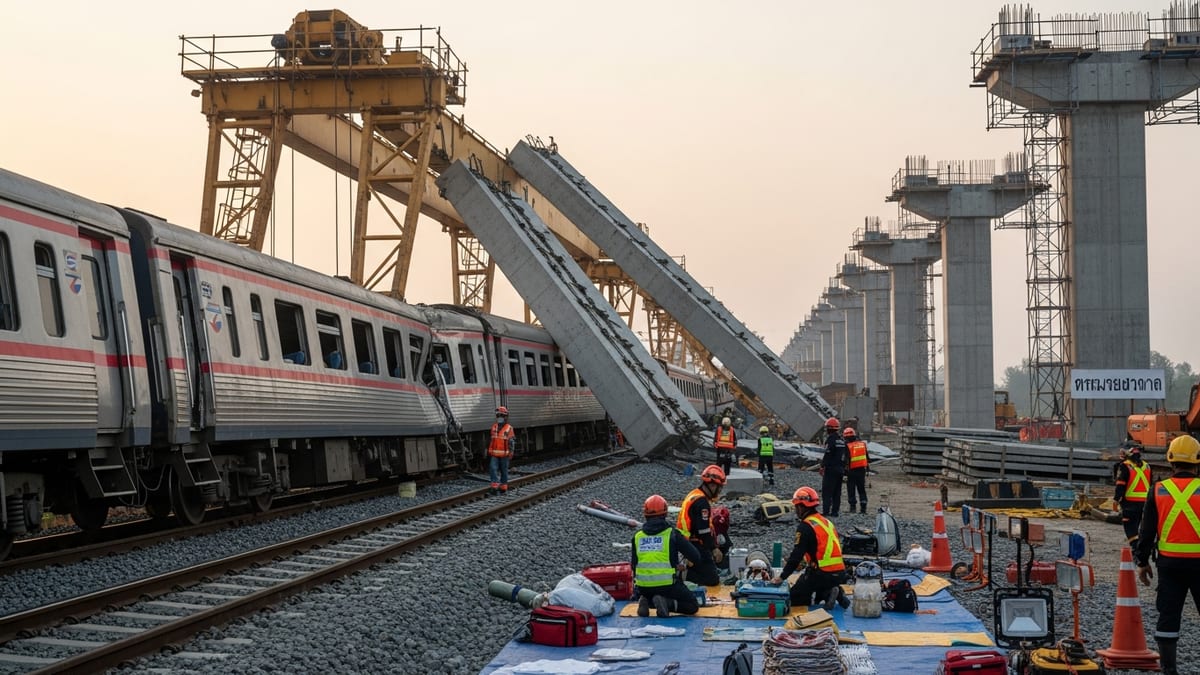
Roads Reopen After Hours of Disruption
The area around Amarillo Boulevard and Grand Street was closed for several hours after multiple freight cars left the tracks near the intersection, blocking lanes and limiting access to nearby businesses. Publicly available alerts indicated that traffic was rerouted while crews assessed the scene and ensured the area was safe for drivers and pedestrians.
By later in the day, reports indicated that the immediate hazard had been cleared and crossing arms were operating normally, allowing vehicles to again travel through the intersection. Motorists experienced lingering congestion as traffic patterns normalized, but law enforcement updates showed no long-term closure remained in place.
The reopening restored a key link on the east side of Amarillo, where Amarillo Boulevard serves as a major east-west route and Grand Street connects residential neighborhoods with industrial and commercial districts. Local drivers had been urged earlier to avoid the area and use alternate streets while rail and roadway crews worked on site.
City transportation updates suggested that any remaining restrictions were limited to shoulder areas along the tracks as rail workers continued post-incident inspections and documentation.
Details of the Derailment and Initial Response
Early reports described the incident as a freight derailment involving several railcars near the grade crossing at Amarillo Boulevard and Grand Street. The affected train was moving through the city when part of the consist left the rails close to the roadway, prompting an immediate halt to both rail and street traffic in the surrounding blocks.
Photographs and video shared to local news outlets showed railcars at angles along the track line, with emergency vehicles positioned around the intersection and crossing gates down. Publicly available information did not indicate any significant hazardous-materials release, and there were no widespread evacuation orders noted in official alerts.
First-arriving crews focused on securing the scene, checking for injuries and ensuring nearby vehicles and pedestrians remained at a safe distance from the derailed cars. Rail personnel then began examining the track structure, wheels and couplers to document damage and prepare for rerailing and recovery operations.
While full technical details of the cause have not yet been released, early descriptions pointed to a localized incident contained within the rail right of way, with damage primarily affecting the train and portions of the track near the crossing.
Impact on Local Traffic, Transit and Businesses
The closure of Amarillo Boulevard and Grand Street created ripple effects across the east Amarillo street network. Drivers looking to reach Interstate connections and commercial centers were diverted to parallel routes, including nearby arterials that experienced heavier than normal volumes and slower travel times during the morning and early afternoon.
According to published coverage, some local transit services temporarily altered routes to avoid the blocked intersection, using side streets to maintain access to residential areas south of the tracks. Riders were advised to expect delays while buses navigated detours and congestion around the closure.
Businesses close to the crossing saw driveways partially obstructed or temporarily inaccessible as barricades and response vehicles occupied lanes near the tracks. Employees and customers reported using back entrances and alternative parking lots until the main approaches reopened. As railcars were stabilized and moved, access gradually improved and normal operations resumed for most storefronts later in the day.
Freight movement on the affected line also faced short-term disruption. Publicly available rail tracking data and local reporting suggested that trains were either held outside the city or rerouted until inspection and limited repairs allowed traffic to resume at reduced speeds through the area.
Ongoing Inspections and Safety Review
Following the reopening of Amarillo Boulevard and Grand Street, railroad personnel continued to inspect the track, ballast and signaling equipment to verify that the infrastructure met safety standards before full-speed operations resumed. Such examinations typically involve detailed measurements of rail alignment, checks of fasteners and ties, and review of data from onboard recorders that track train speed and braking.
According to information commonly released after similar incidents, investigators are expected to look at factors such as track condition, train handling, mechanical issues with individual cars and any recent maintenance activity in the area. Findings from these reviews often guide decisions on additional repairs, slow orders or infrastructure upgrades near busy crossings.
Local residents and drivers are likely to see maintenance vehicles and inspection crews along the right of way for several days, even though the intersection has reopened to normal traffic. Railroads frequently keep temporary speed restrictions in place until all post-incident checks are complete and any necessary replacement components have been installed.
Publicly available federal rail safety databases typically record derailments of this type, providing a permanent log of the event, location and basic circumstances. That information contributes to larger efforts to track patterns and reduce the risk of similar incidents in high-traffic urban corridors.
Community Concerns and Future Mitigation Efforts
The derailment near Amarillo Boulevard and Grand Street renewed attention to the concentration of freight traffic running through Amarillo’s core and the potential effects of rail incidents on nearby neighborhoods. Residents in the area have previously expressed concerns about blocked crossings and emergency access when long trains stop or experience mechanical problems on busy routes.
Transportation planners and safety advocates often point to upgrades such as improved crossing signals, advanced detection systems and, in some locations, grade separations that route roads over or under the tracks as ways to lower risk and reduce disruption from future events. While there have been no formal announcements regarding major construction projects at this specific intersection, the latest derailment is expected to factor into ongoing discussions about infrastructure priorities.
In the near term, publicly available guidance encourages drivers, cyclists and pedestrians to continue exercising caution around rail crossings, particularly in the days following an incident while work crews remain active. Residents are also urged in public safety messaging to report any visibly damaged crossing equipment or unusual rail activity to local non-emergency lines rather than attempting to approach active tracks.
With Amarillo Boulevard and Grand Street now open again, daily routines in east Amarillo are largely returning to normal, even as rail and transportation officials continue to review what happened on the tracks and how any lessons from the derailment might be applied to keep one of the city’s critical corridors moving safely.