


More news on this day
American Airlines has inaugurated a new nonstop service between Athens and Dallas Fort Worth, creating the first direct air link between Greece and Texas and adding fresh capacity on a transatlantic market that has been straining under record summer demand and recurrent travel disruption.
Get the latest news straight to your inbox!
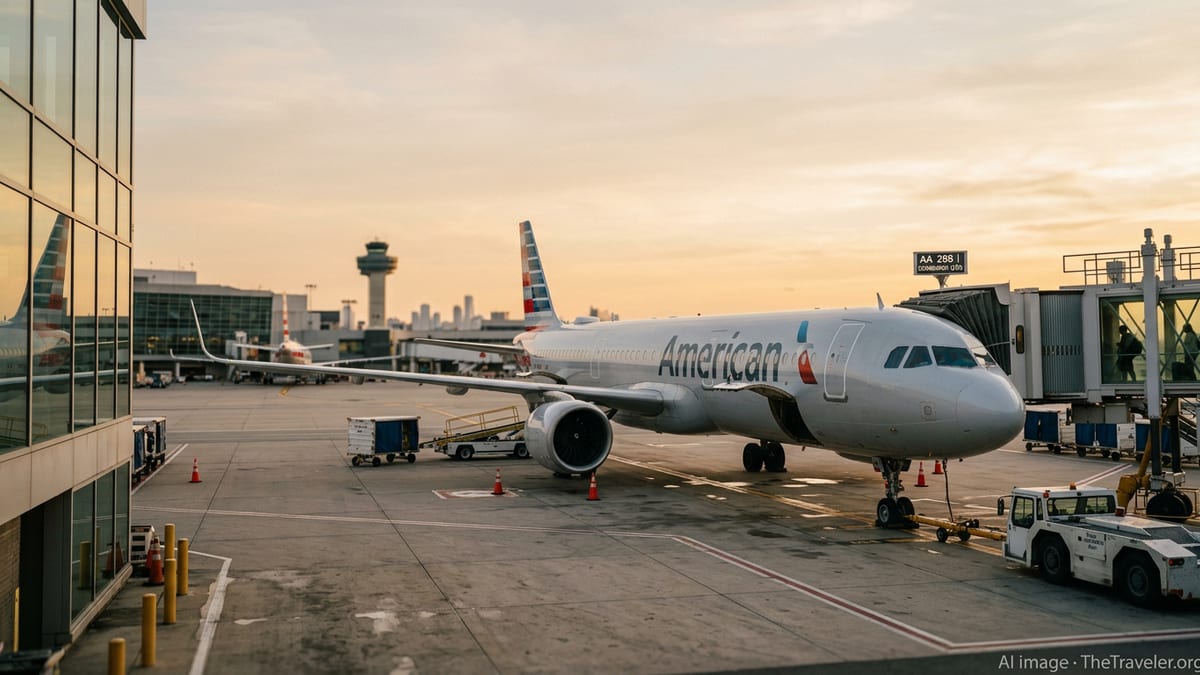
First Direct Connection Between Athens and Texas
The Athens to Dallas Fort Worth route, which commenced operations in late May 2026, is being marketed as a milestone in air connectivity between Greece and the United States. Publicly available information from Athens International Airport and American Airlines indicates that it is the first time the Greek capital has been linked nonstop with the carrier’s North Texas hub, opening a new gateway for both leisure and business travellers.
The service operates as a daily, seasonal flight during the peak summer months, using widebody aircraft configured for long haul operations. Industry reports specify that American has assigned Boeing 787-8 Dreamliner equipment to the route, aligning it with the airline’s broader strategy of deploying fuel efficient twinjets on high-demand transatlantic segments.
Travel and aviation outlets note that the new flight becomes American’s fifth nonstop route from the United States to Athens, complementing existing services from major East Coast and Midwest gateways. With the addition of Dallas Fort Worth, the airline further consolidates its position as a leading carrier in the U.S.–Greece market by number of direct connections.
Relieving Pressure on Congested Transatlantic Gateways
The launch comes amid sustained pressure on transatlantic corridors, where strong demand, infrastructure bottlenecks and weather-related disruption have combined in recent summers to produce long queues, missed connections and rolling delays at major hubs. Analysts suggest that by routing a greater share of connecting traffic through Dallas Fort Worth, American is attempting to spread demand more evenly across its network and reduce chokepoints at traditional European entry points.
Recent schedule information and network analyses indicate that Dallas Fort Worth has become one of the world’s busiest hubs by passenger traffic and aircraft movements, with American operating a highly banked wave system to maximise connectivity. The new Athens service slots into this pattern, providing same day connections to and from cities across the American South, Midwest and West Coast that previously required backtracking through Northeastern hubs to reach Greece.
Industry commentary also links the expansion to broader efforts by carriers to build more resilience into their operations. By adding nonstop seats from a central U.S. hub directly to in-demand leisure destinations such as Athens, airlines can reduce reliance on multi-stop itineraries that are more exposed to missed connections and compounding delays when irregular operations occur.
Part of a Wider Transatlantic Capacity Build-Up
The Athens–Dallas launch forms part of a larger transatlantic push by American Airlines for the 2026 summer season. Recent schedule updates and company statements outline four new nonstop European routes from Dallas Fort Worth, including Zurich alongside Athens, as well as additional transatlantic capacity from other hubs in Philadelphia and Charlotte.
Business travel publications report that the Dallas–Athens flight began on 21 May 2026 and will run through the core summer travel period, coinciding with what is expected to be the carrier’s largest transatlantic programme to date. The season also overlaps with preparations for the 2026 FIFA World Cup, for which Dallas is one of the host cities, a factor that is anticipated to support inbound demand to North Texas.
From the Greek perspective, tourism and economic news outlets highlight that the increased capacity from the United States aligns with Greece’s strategy to attract higher-spending long haul visitors and extend the tourism season. Bank of Greece data referenced in local coverage show that spending by American travellers has risen in recent years, reinforcing the commercial logic behind additional nonstop links.
Competitive Pressures and Network Strategy
The new route also reflects intensifying competition on transatlantic leisure markets. Greek and international media coverage notes that American’s move comes as rival U.S. carriers strengthen their own offerings to Greece and Southern Europe. Delta Air Lines and United Airlines have been expanding seasonal services to Athens and other Mediterranean destinations, while European carriers and lower cost long haul operators have introduced their own nonstop options to meet demand.
By anchoring its latest Greek expansion at Dallas Fort Worth, American is leveraging its largest hub to differentiate its product. Network specialists point out that DFW’s extensive domestic reach allows the airline to offer one stop itineraries to Athens from a wide array of secondary and tertiary U.S. cities that might otherwise require two connections or travel via competing hubs.
The choice of equipment is also strategic. The Boeing 787 family, widely used on long haul routes, provides a balance of range and capacity that suits seasonal markets where demand peaks sharply in summer but softens in the shoulder months. This flexibility allows American to right size capacity while maintaining a competitive onboard product on par with rival carriers across the Atlantic.
Implications for Travellers Facing Ongoing Disruption
For passengers, the Athens–Dallas service offers an additional option at a time when aviation systems remain sensitive to disruption. Travel advisories and consumer-focused reporting continue to highlight the risk of weather events, air traffic control constraints and staffing challenges that can ripple across networks, particularly during busy summer peaks.
By creating a new nonstop bridge between Greece and a major U.S. hub, American aims to provide more redundancy in routing choices. Travellers from cities such as Phoenix, Denver or Los Angeles can now connect westbound via Dallas to reach Athens, potentially avoiding congested Northeastern airports during peak travel days. Conversely, Greek passengers and visitors leaving Athens gain a direct path into the central United States, with onward links deeper into the network.
While no single route can eliminate the possibility of delays or cancellations, analysts suggest that diversified hub connections and greater nonstop capacity can help absorb demand spikes and offer passengers more rebooking options when schedules go awry. The Athens–Dallas launch is therefore being viewed not only as a commercial expansion, but also as part of a broader industry effort to adapt networks to an era of sustained high demand and heightened operational risk.