


More news on this day
American Airlines is intensifying its push into premium travel, accelerating a broad cabin upgrade program that adds more high end seats across its fleet while expanding high speed Wi-Fi and power at every seat on both mainline and regional aircraft.
Get the latest news straight to your inbox!
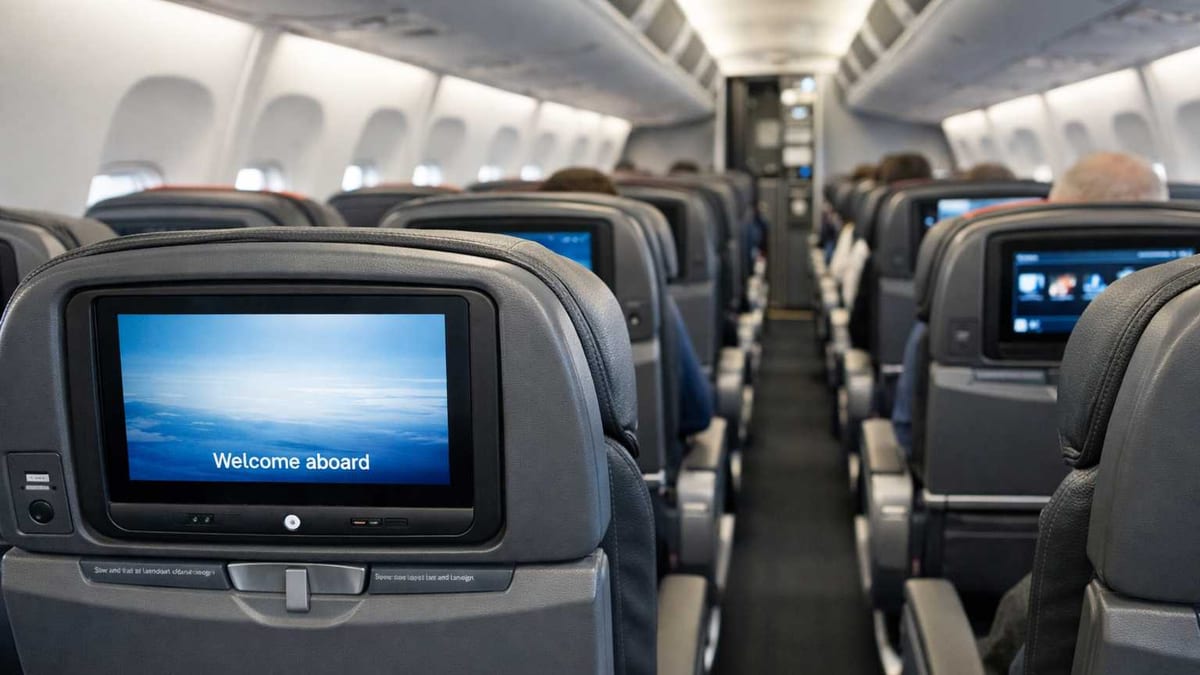
Multi year cabin overhaul targets premium growth
Public filings and recent investor materials indicate that American is deep into a fleet transformation designed to tilt more of its seats toward higher yielding cabins while standardizing onboard amenities such as power and connectivity. Company presentations describe hundreds of aircraft already reconfigured with additional premium seating, updated interiors and satellite Wi-Fi, framing the work as one of the largest retrofit programs in U.S. airline history.
The strategy centers on capturing rising demand for extra comfort and privacy at the front of the aircraft. Long haul jets are being delivered with new premium heavy layouts, including Flagship Suite business class and a larger premium economy cabin, while narrowbody work focuses on expanding first class and improving the main cabin experience with power at every seat and larger overhead bins.
American’s latest disclosures highlight that the carrier views premium revenue growth as a core pillar of its long term plan, alongside network expansion and loyalty. By shifting the mix of seats on each aircraft, the airline aims to generate more revenue per flight without significantly increasing total capacity, a tactic that can support profitability even in a slower demand environment.
More first class on A319 and A320 jets
On domestic routes, the most visible changes are coming to the Airbus A319 and A320 fleets. According to program outlines published in early 2024, these aircraft are being retrofitted from mid decade with refreshed cabins that add more first class seats, introduce new slimline seating in the main cabin and install larger overhead bins to reduce gate checked bags.
Each narrowbody is also gaining power at every seat and updated lighting and finishes, bringing them in line with American’s newest deliveries. Reports of completed aircraft operating in regular service suggest that a growing share of the A319 and A320 fleets now feature the denser premium layouts, with additional conversions scheduled through the latter half of the decade.
For travelers, the shift means a better chance of securing a domestic first class seat on popular business and leisure routes, along with improved odds for mileage or complimentary upgrades where available. The trade off is often slightly tighter pitch in the rear of the aircraft, as American balances the cabin to accommodate extra seats at the front.
Regional jets get mainline style interiors
American’s premium push extends beyond its mainline operation to the large network of regional jets that connect smaller cities to its hubs. Planning documents and coverage in aviation trade outlets describe a program to retrofit all dual class regional aircraft, including CRJ700, CRJ900 and Embraer 170 and 175 models, with upgraded cabins.
The new regional interiors are designed to mirror mainline styling, with refreshed seat upholstery, in seat power and larger overhead bins on select types. High speed satellite Wi-Fi is being rolled out across the dual class regional fleet, replacing earlier ground based systems and giving passengers a more consistent online experience from boarding to landing.
American’s stated goal is for dual class regional jets to provide a seamless step down from mainline aircraft, rather than a noticeably different product. That approach reflects the importance of regional flying in the carrier’s network, where nearly half of regional passengers connect to or from mainline flights and increasingly expect similar comfort and connectivity standards.
Complimentary high speed Wi-Fi tied to loyalty
Alongside hardware changes, American is reshaping its inflight connectivity model. Publicly available information and recent commentary on the airline’s strategy point to a shift toward complimentary high speed Wi-Fi for members of its AAdvantage loyalty program, underwritten through sponsorship and ancillary revenue rather than per flight charges alone.
Industry coverage indicates that the airline has already equipped hundreds of mainline and regional aircraft with gate to gate satellite connections, and that upgrades will extend to nearly the entire dual class regional fleet by early 2026. Separate analyses of inflight connectivity trends note that American is among a growing group of carriers moving to make basic onboard internet free, particularly for loyalty members who log in with their frequent flyer credentials.
The move brings American closer to competitors that have used free messaging or Wi-Fi as a differentiator, while also encouraging more customers to enroll in its loyalty program. As more aircraft complete satellite installations and legacy systems are retired, passengers can expect more reliable streaming capable connections on both short hop regional legs and long haul international flights.
Long haul cabins shift to premium heavy layouts
On international routes, American is pairing its Wi-Fi upgrades with a significant reshaping of cabin layouts. New Boeing 787 9 deliveries and forthcoming Airbus A321XLR aircraft are being introduced with Flagship Suite business class, doors for added privacy and an expanded premium economy section, reducing the proportion of standard economy seats on board.
The airline has also signaled plans to retrofit portions of its existing widebody fleet over the next several years, including selected 777 and 787 aircraft, to align interiors with the new premium heavy standard. While the exact pace and scope of these projects can shift with market conditions and supply chain constraints, American’s public messaging consistently emphasizes that future long haul flying will feature more seats that generate premium yields.
For travelers, the evolution means more choice at the top of the cabin, from lie flat suites to dedicated premium economy, while economy cabins become slightly more compact but benefit from large screen entertainment, in seat power and full flight connectivity. As aircraft rotate through retrofit lines, routes will see a mix of old and new interiors, but the long term trend points to a markedly more premium oriented American Airlines fleet.