


More news on this day
American Airlines is accelerating a sweeping overhaul of its fleet that expands premium seating and brings upgraded connectivity and cabin finishes to a wide range of domestic and long haul aircraft, positioning the carrier to capture more revenue from high spending travelers.
Get the latest news straight to your inbox!
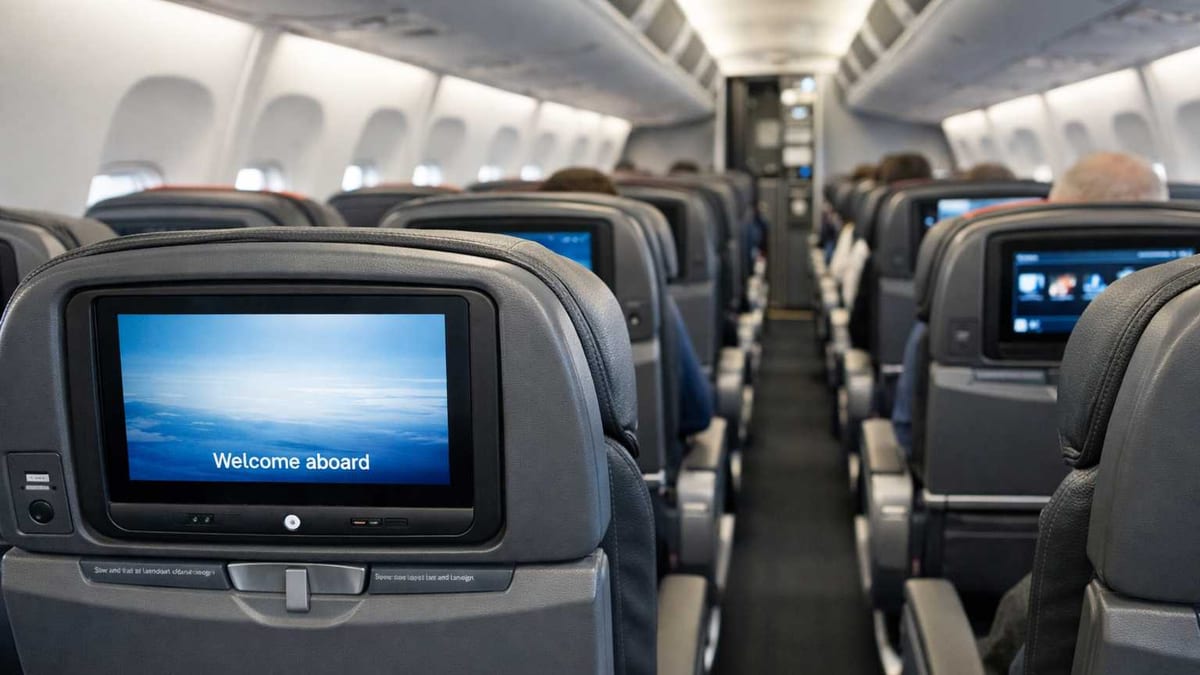
Domestic Airbus jets gain larger premium cabins and more power
American’s latest retrofit phase focuses on its workhorse Airbus A319 and A320 fleets, which operate thousands of domestic and short haul international flights each week. Publicly available information from the airline’s newsroom shows that both aircraft types are being reconfigured with larger premium cabins, refreshed interiors and additional in seat power.
On the smaller A319, the premium cabin is being expanded to 12 seats, while the larger A320 is moving to 16 seats at the front of the aircraft. The layouts are designed to align visually with the cabins on American’s newest widebody jets, with updated finishes, larger overhead bins and charging options at every seat to support business travelers who need to work in flight.
The A319 and A320 updates mark a shift from earlier densification programs that prioritized overall seat count. This time, the airline is devoting more cabin real estate to higher yielding premium seats and extra legroom rows, reflecting continued demand from corporate travelers and affluent leisure customers who are willing to pay for comfort on even relatively short flights.
Industry reports indicate that the retrofits are rolling out across the fleet over the coming months, which means more domestic passengers will begin to see the new layouts as aircraft rotate through scheduled maintenance.
Flagship Suite and premium economy reshape long haul cabins
While narrowbody jets receive larger domestic first class sections, American is also in the midst of a multiyear transformation of its long haul fleet centered on new Flagship Suite business class seats and an expanded premium economy cabin. According to published coverage of the program, the airline plans to grow lie flat and premium economy seating on widebody aircraft by roughly half over the course of the decade.
The redesigned Boeing 787 9 and incoming Airbus A321XLR aircraft showcase this strategy. Both types feature Flagship Suite seats with direct aisle access and privacy doors in business class, alongside a distinct premium economy cabin with wider recliners, leg rests and upgraded amenities. This configuration reduces the space dedicated to standard economy seating while growing the number of higher revenue seats at the front and middle of the plane.
American’s internal investor materials highlight that premium seat growth is expected to outpace main cabin growth by about two to one as new aircraft arrive and existing widebodies, including Boeing 777 300ER jets, receive updated interiors. The airline is betting that sustained appetite for premium leisure travel and hybrid business trips will support the additional capacity in these cabins on transatlantic and transpacific routes.
Analysts note that the push aligns American more closely with competitors that have leaned into premium products since the pandemic, using enhanced cabins to justify higher fares and create more differentiation from low cost carriers.
High speed wifi and digital services expand across the fleet
Alongside new seats, American is working to standardize high speed connectivity across its mainline and larger regional aircraft. Company documents and recent announcements show that the carrier is equipping a growing share of its narrowbody fleet with satellite based wifi, with similar upgrades reaching widebody jets as installations progress.
The airline has also begun tying connectivity more closely to its AAdvantage loyalty program. Public information indicates that members can redeem miles for wifi access on Viasat equipped narrowbody aircraft, with plans to extend the option across additional aircraft types. That approach aims to make inflight connectivity both a revenue stream and an engagement tool that keeps travelers active within the loyalty ecosystem.
In the cabin, the broader connectivity push supports streaming entertainment on personal devices, real time messaging and more consistent access to work tools at cruising altitude. Airline communications describe the wifi improvements as part of a wider effort to create a more “elevated” onboard experience in all cabins, complementing physical upgrades such as new seats, lighting and finishes.
Industry observers note that as reliable inflight internet becomes common on domestic and international routes, passengers increasingly view it as a baseline expectation rather than a luxury, putting pressure on airlines to maintain competitive speeds and pricing.
Seatback screens and extra legroom seats return to the spotlight
After several years of focusing on streaming to personal devices, American is also moving to install seatback entertainment screens on future deliveries of Boeing and Airbus narrowbody aircraft, with retrofits planned for portions of the existing fleet. Trade and enthusiast coverage of the plan describes it as a reversal of the airline’s earlier strategy of removing monitors in favor of a lighter, wifi dependent cabin.
The new approach pairs screens with Bluetooth audio connectivity and in seat power, creating a more traditional entertainment experience while still supporting personal devices. Industry watchers suggest the shift is driven in part by competitive pressure, as rival full service carriers have continued to promote seatback systems as a key differentiator on domestic routes.
At the same time, American is increasing the number of extra legroom Main Cabin Extra seats on many narrowbody jets. Updated seat maps for retrofitted aircraft show expanded sections of these higher comfort economy seats, which offer additional pitch, earlier boarding and prioritized overhead bin space. For the airline, these rows represent a way to monetize comfort without the cost of a full premium cabin.
The combination of more premium seats, enlarged extra legroom sections and new entertainment hardware points to a broader recalibration of the cabin, with the main cabin gradually ceding space to products that command higher fares or ancillary fees.
Revenue strategy and competitive positioning
Financial filings and investor presentations make clear that American views premium seats and connectivity investments as central to its long term revenue strategy. The carrier is targeting significant growth in high yield cabins across both narrowbody and widebody fleets, while leveraging wifi and digital services to deepen loyalty engagement and ancillary sales.
By harmonizing cabin designs across new and retrofitted aircraft, the airline aims to provide a more predictable experience for frequent travelers, whether they are flying a domestic Airbus narrowbody or a long haul Boeing widebody. Similar color palettes, finishes and seat styles are intended to reinforce a consistent premium brand image throughout the network.
Industry analysts point out that American’s fleet plan, which includes substantial orders for additional Airbus A321neo and Boeing 737 MAX aircraft alongside new long haul jets, is structured to support this shift toward premiumization. As these planes enter service and older configurations are retired, the overall share of premium and extra legroom seats in the fleet is expected to rise steadily.
The scale of the retrofit and new aircraft program means that changes will continue to roll out over several years. For travelers, that translates into a period in which cabin experiences may vary by aircraft and route, even as the airline works toward a more uniformly premium and connected onboard product.