


More news on this day
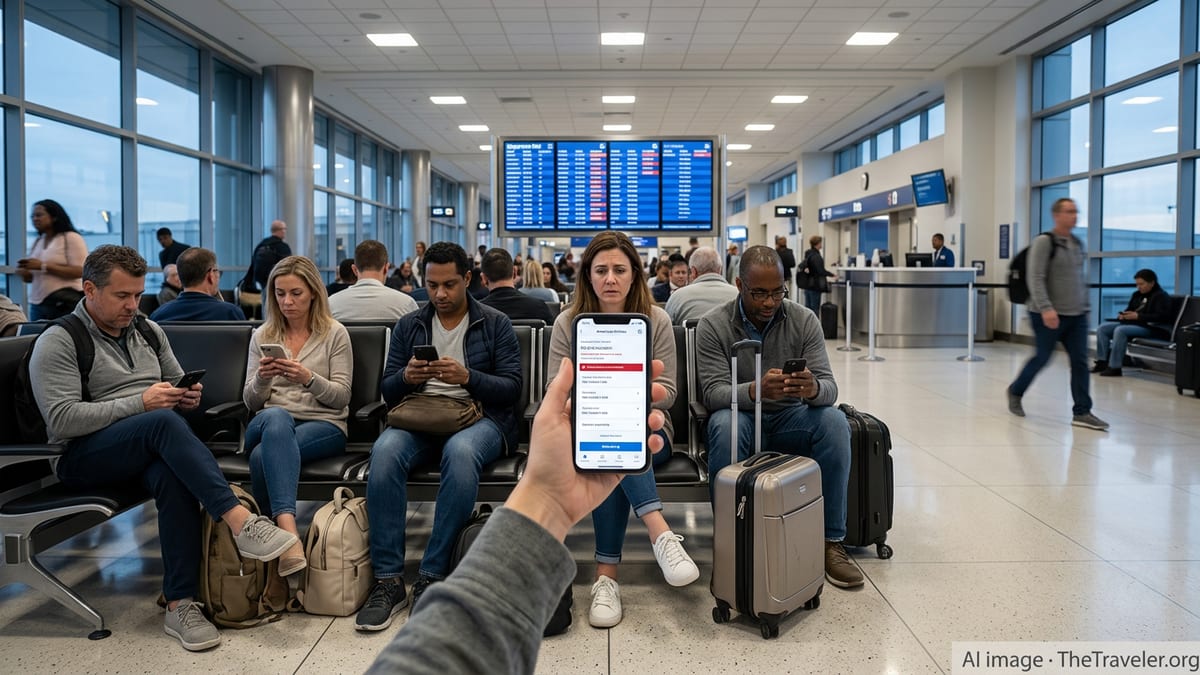
American Airlines’ automated rebooking tools are drawing fresh scrutiny as travelers report finding their flights, seats, and even entire itineraries changed without clear notification, raising concerns over transparency and passenger rights.
Get the latest news straight to your inbox!
Automation Behind Quiet Flight Changes
American Airlines, like many major carriers, relies on automated systems to keep its complex network running during delays, schedule adjustments, and aircraft swaps. These tools are designed to automatically rebook passengers when the system predicts a misconnection or when the airline modifies its schedule.
According to publicly available descriptions of airline disruption management, these algorithms evaluate minimum connection times, seat availability, and operational constraints to move travelers to what the system deems a viable alternative. In practice, the goal is to prevent passengers from being stranded after delays or cancellations by confirming them on new flights in advance.
Recent accounts shared on consumer forums and social media indicate that American’s automation can go further than simple same-day swaps. Passengers describe being moved to flights many hours earlier or later than originally booked, sometimes with changes to connection points or even destination airports in the same metropolitan area. In some cases, travelers say they only discovered the changes when they went to check in or reviewed their booking days later.
Industry observers note that these rebooking engines have become more aggressive as airlines look to keep aircraft full and minimize last-minute manual intervention. While the technology can reduce long queues at airport counters during major disruptions, it also increases the risk that important changes go unnoticed by travelers who expect their confirmed times to remain stable.
Passenger Complaints Highlight Missed Alerts and Surprising Itineraries
Across online travel communities, passengers are increasingly describing scenarios in which American Airlines changed their flights without them realizing it in real time. Some customers recount paying extra for a specific departure time, only to find themselves shifted to a much earlier flight that upends hotel checkouts, ground transport plans, or work commitments.
Other travelers report that their connecting flights were altered while they were still in the air on the first leg. In those cases, they say the rebooking system appeared to predict a potential misconnection and moved them to later flights, even when the original itinerary might still have been technically feasible. The result, in some stories, was an unexpected longer layover and arrival home hours later than planned.
Seat assignments are another flashpoint. Reports indicate that when an aircraft change reduces the number of premium or preferred seats, the system may reshuffle passengers to whatever is available. Some travelers say they have seen family members split up or moved from premium cabins to less desirable locations, with notice arriving via a short in-app alert or email that was easy to miss among routine messages.
In extreme cases described online, itinerary changes appear to have left passengers facing longer journeys or unfamiliar routing through additional hubs. While these examples may represent a small fraction of American’s total traffic, they illustrate how disruptive even a single unnoticed rebooking can be for an individual traveler.
How American Airlines Says Its Rebooking Works
Publicly available policy materials show that American Airlines, like its competitors, distinguishes between voluntary and involuntary changes. When the airline initiates a schedule change, cancellation, or significant delay, its systems typically attempt to protect the passenger by confirming them on a new flight of equal or similar value, sometimes without requiring any action from the traveler.
Guidance available through consumer rights documents indicates that these automated changes are often framed as a courtesy rebooking rather than a formal cancellation of the original trip. The system may automatically search for options that meet minimum connection standards and available inventory, creating a new confirmed itinerary as soon as it identifies a workable alternative.
American’s general customer-facing language notes that travelers can review updated itineraries in the airline’s app or on its website and that options to change flights or request assistance may appear after a disruption. However, the published information tends to emphasize what passengers can do after a change occurs, rather than clearly explaining how aggressively the automation may adjust bookings on its own.
Legal and consumer rights guidance points out that when a carrier significantly modifies a schedule or routing, the change is typically classified as an involuntary schedule change. In such cases, passengers may have options to request different flights or, depending on the circumstances and fare type, seek a refund instead of accepting the new itinerary.
Notification Gaps and the Risk of “Silent” Rebookings
A central concern in many of the recent complaints is not that American Airlines rebooks passengers during disruptions, but how those changes are communicated. Travelers frequently describe either never seeing an email or app alert, or noticing it only after the window to choose alternatives had narrowed.
Some passengers report that they discovered major changes only when attempting to check in, sometimes less than 24 hours before departure. Others say they saw an initial notice but did not realize that the modification involved significant shifts in departure time, connection length, or even airport, because the message resembled routine schedule-adjustment emails that are easy to skim.
Travel advisers often recommend that passengers treat any airline notification, however minor it appears, as a signal to open the booking and carefully compare the new details against the original confirmation. With American’s rebooking tools capable of altering routes and connection times, missing or overlooking a single alert can mean showing up at the airport for a flight that no longer exists on the reservation.
Observers also point out that travelers who book through online travel agencies or corporate booking tools may face an extra communication step. In those cases, schedule-change messages can be routed through a third party, increasing the chances that travelers never see the original airline notice or are delayed in learning about changes made by American’s systems.
What Travelers Can Do When Their Flight Is Changed
Consumer guidance suggests that when American Airlines modifies an itinerary without explicit advance consent, passengers should first log in to the airline’s website or app, verify every segment, and check for options to change flights within the self-service tools. In many disruption scenarios, these interfaces allow travelers to select from several alternative itineraries at no additional fare, particularly when the change was initiated by the airline.
If the available options are not acceptable, publicly accessible policy summaries indicate that passengers can contact customer service and reference the situation as an involuntary schedule change. Depending on the length and nature of the modification, some travelers may be able to request rerouting on different flights, a shift to nearby airports, or a refund, particularly if the new schedule no longer suits the original purpose of the trip.
Travel experts commonly advise maintaining vigilant monitoring in the days and weeks leading up to departure. That includes checking reservations periodically for unannounced changes, enabling push notifications in the airline’s app, and confirming flight times again 24 to 48 hours before travel. For complex itineraries with connections through busy hubs, this level of attention can provide early warning of any automated rebooking performed by American’s systems.
While American Airlines’ automated tools are designed to keep travelers moving when operations go wrong, the recent wave of reports suggests that the balance between efficiency and transparency remains delicate. For now, passengers who want to avoid being surprised by a new flight they never knowingly chose may have little choice but to treat their reservation as something that can change at any time until they are actually on board.