


More news on this day
American Airlines is embarking on a major overhaul of its narrow-body fleet, committing to more premium seats and a broad return of seatback entertainment screens in a strategic shift that aims to reclaim high-value travelers from domestic rivals.
Get the latest news straight to your inbox!
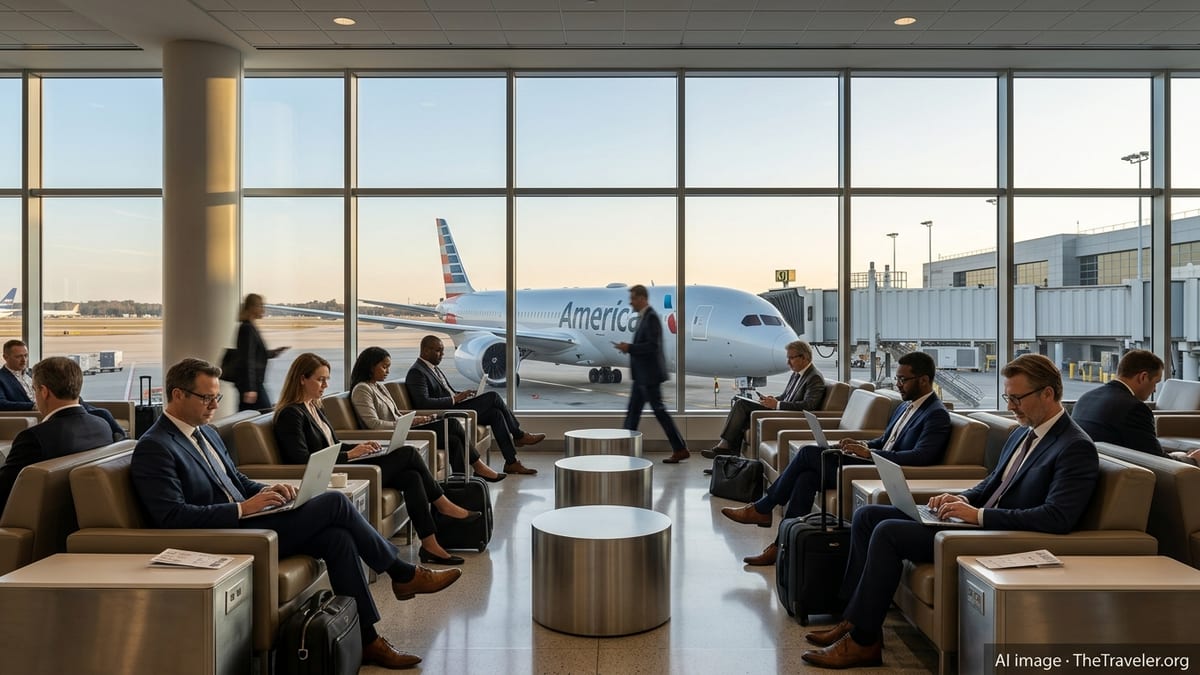
Pivot toward a more premium narrow-body experience
American has signaled a decisive move upmarket on its single-aisle jets, expanding the space dedicated to first class and extra-legroom seating while rethinking how passengers are entertained on board. The change follows years in which the carrier stripped out many frills from its domestic aircraft, including seatback screens, in favor of denser layouts and streaming to personal devices.
According to publicly available fleet plans and recent company communications, the airline is increasing the number of domestic first class seats on key workhorse types such as the Airbus A319 and A320 as part of retrofits scheduled to begin in 2025. The broader strategy is to offer what American describes in its materials as more premium seats than any other large U.S. carrier on domestic and short haul international routes, backed by a substantial order book for new Boeing and Airbus narrow-body aircraft.
This premium push dovetails with previously announced upgrades on long haul jets, including new Flagship Suite business class and refreshed premium economy cabins. The latest narrow-body changes indicate that American is now extending much of that focus on higher-yield customers to the domestic marketplace, where competition from Delta Air Lines and United Airlines has increasingly centered on comfort and amenities rather than just price.
Industry analysts note that the move reflects growing demand from business travelers and affluent leisure flyers who are willing to pay more for extra space and a differentiated product, particularly on longer domestic segments and transcontinental services.
Seatback screens return after years of device-only strategy
Perhaps the most striking element of American’s narrow-body transformation is its decision to bring back seatback entertainment screens at scale. After spending years removing built in monitors from nearly all domestic single aisle aircraft and promoting streaming via passengers’ own phones and tablets, the airline now plans to install new-generation seatback systems on future Airbus and Boeing deliveries and on selected retrofitted jets.
Reports indicate that the new entertainment hardware will feature 4K-capable displays, Bluetooth headphone connectivity, and both AC and USB power at each seat, aligning American more closely with the onboard experience already marketed by Delta and United. Earlier product materials tied to the carrier’s upcoming Airbus A321XLR and Boeing 787 9 deliveries highlighted similar screen technology, and the latest announcements extend that approach deeper into the narrow-body fleet.
Until now, American’s domestic network has largely relied on personal device entertainment, with only a shrinking subfleet of Airbus A319 and specially configured A321T aircraft still offering embedded screens. Aviation forums and traveler reports over the past two years have documented the progressive removal of those legacy systems as older cabins were refitted, solidifying the perception of American as the outlier among the three major U.S. network carriers on in-seat entertainment.
The decision to reverse course suggests that competitive pressure and customer feedback have outweighed earlier arguments that passengers prefer their own devices and that removing screens reduces weight and maintenance costs. The new systems are expected to be more energy efficient and lighter than previous generations, partially addressing earlier operational concerns while restoring a visible marker of a premium product.
Reconfigurations aim to boost revenue and appeal to high-yield travelers
The cabin changes are designed not only to improve the passenger experience but also to reshape American’s revenue mix. By adding more first class and extra-legroom Main Cabin Extra seats, the airline is effectively increasing the share of higher-fare inventory on each narrow-body flight, particularly on routes with strong corporate demand.
Fleet planning documents show that the A319 and A320 retrofits will increase first class seat counts compared with current layouts while also preserving or expanding extra-legroom rows. At the same time, American continues to accept new Airbus A321neo and Boeing 737 family aircraft that can be tailored for markets such as large coastal hubs, cross-country services and high-value leisure destinations.
Travel industry observers point out that premium-heavy narrow-body configurations give airlines more flexibility to deploy aircraft where demand for front-cabin and extra-legroom seating is strongest. For American, that could include transcontinental routes from New York and Boston, core hub connections from Dallas-Fort Worth and Charlotte, and select short haul international flights into Latin America and the Caribbean.
Public commentary from aviation analysts suggests that these changes are part of a broader attempt by American to narrow the perceived product gap with Delta and United, both of which have invested heavily in seatback entertainment and more spacious interiors. With many corporate contracts placing increased weight on traveler satisfaction scores, delivering a visibly upgraded cabin is seen as a way to protect and potentially grow lucrative business accounts.
Implementation timeline and impact on travelers
The overhaul of American’s narrow-body interiors will not happen overnight. Retrofits of existing A319 and A320 aircraft are scheduled to start in 2025 and continue for several years, while new deliveries from Airbus, Boeing and Embraer will gradually join the fleet through the late 2020s and into the next decade. Reports on recent fleet orders indicate that the carrier has hundreds of single-aisle jets on firm order or option, providing a long runway for cabin standardization.
In the near term, travelers are likely to encounter a mix of cabin types across American’s domestic network. Some aircraft will continue to feature the current high-density layouts without seatback screens, while others will debut new premium configurations and updated interiors as they roll out of maintenance lines. Passengers interested in the latest cabins will need to pay close attention to aircraft type and configuration details provided through booking tools and independent fleet trackers.
Over time, as more refurbished and newly delivered aircraft enter service, the proportion of flights offering enhanced premium seating and built-in entertainment is expected to increase significantly. Industry commentary suggests that once the program is fully implemented, American’s domestic narrow-body product should look substantially different from the stripped back cabins that became emblematic of its earlier cost-cutting era.
For now, the carrier’s strategy represents one of the clearest signs yet that the U.S. airline industry’s post-pandemic competition is shifting from simple capacity growth to a renewed focus on product quality, with American betting that a richer premium mix and a visible investment in seatback screens will help it stand out in a crowded marketplace.