


More news on this day
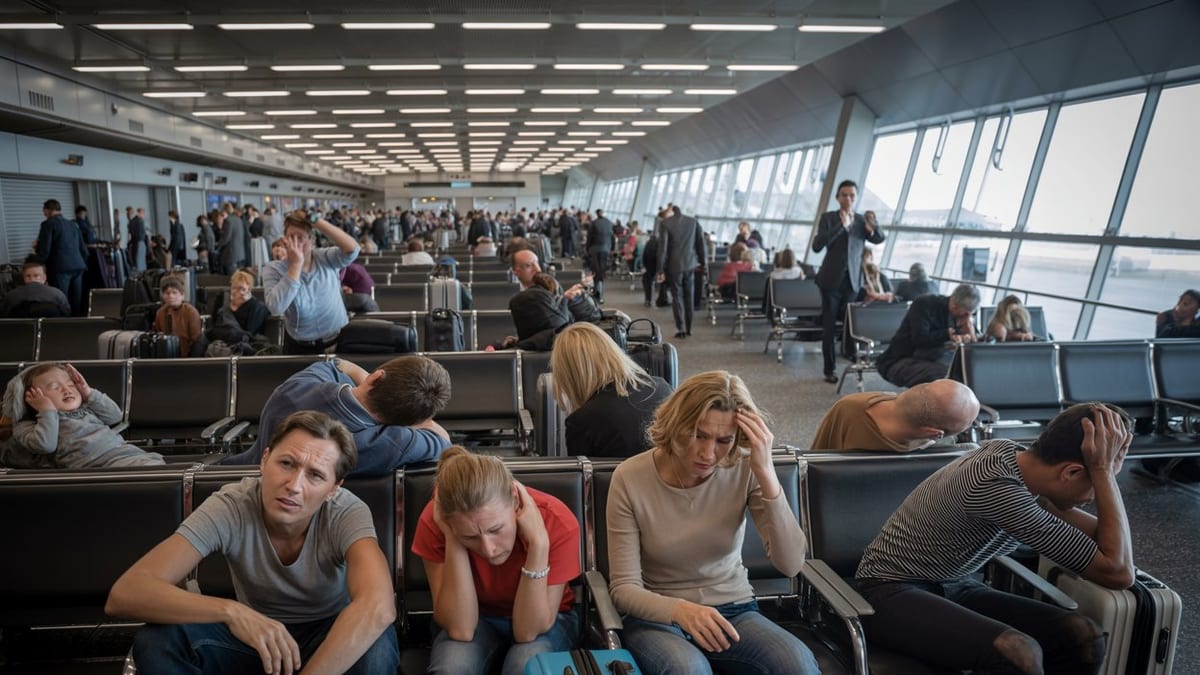
Hundreds of South Korean travelers attempting to depart Bangkok for home were left waiting more than 14 hours at Suvarnabhumi Airport after record flooding in the Thai capital disrupted airline staffing and triggered cascading flight delays on key routes to Seoul.
Get the latest news straight to your inbox!
Record rains swamp Bangkok and disrupt travel
Published reports indicate that intense monsoon rains have drenched Bangkok and surrounding provinces since September 24, with government data cited in local coverage putting cumulative rainfall above 330 millimeters in parts of the metropolitan area. Low lying neighborhoods and major roads experienced significant inundation, complicating movement across the city and prompting emergency responses in multiple districts.
Thai government briefings summarized in local media describe more than 52,000 households affected and several thousand residents displaced to temporary shelters set up in schools and temples. Images from Bangkok show residents wading through chest deep water in some residential zones while vehicles sit partially submerged on key thoroughfares.
The flooding has been serious enough for national authorities to declare Bangkok and several neighboring provinces, including Nonthaburi and Samut Prakan, as disaster areas. In an effort to ease congestion and reduce travel, officials also announced special public sector holidays for civil servants in the capital region, covering at least two working days.
Travel advisories from Thai public information portals note that while Bangkok’s main airports remain operational, flooded access roads and localized traffic standstills have made it difficult for both passengers and airport workers to reach terminals on time. Guidance issued in recent days has urged travelers to allow extra time for airport transfers and to avoid areas with standing water, particularly around Lat Krabang, east of the city center.
Hours long delays for Korean passengers at Suvarnabhumi
The heaviest aviation disruption has been reported on late night and early morning services linking Bangkok with South Korea. Korean language and English language news outlets describe several Thai Airways flights to Korean destinations being delayed repeatedly overnight as crew members struggled to reach Suvarnabhumi Airport through flood affected streets.
Accounts compiled in these reports point to one late evening Thai Airways departure to South Korea on September 27 being pushed back multiple times from its original 11:10 p.m. schedule. Passengers who arrived at the airport around 6 p.m. to avoid weather related congestion ultimately remained in the terminal through the night, watching the departure time move from after midnight to early morning slots and then to around 6:10 a.m. the following day.
Coverage from South Korean outlets including Yonhap and Seoul Economic Daily indicates that several hundred Korean nationals were affected across at least two Bangkok to Korea services, with many spending more than 14 hours in the departure area. Some passengers described long stretches without detailed gate side announcements about revised boarding times, attributing the communication gaps to the absence of airline staff who were themselves trapped by flooding.
Additional reporting from Thai and Korean media notes that another Thai Airways service to South Korea, scheduled around 11:35 p.m., also faced extended delay windows. Together, the disruptions left large groups of passengers clustered in waiting areas overnight, many with young children and elderly family members, while they tried to obtain updated information via mobile apps, airport display boards and airline service desks.
Airports remain open but strained by staffing and access issues
Despite the severe flooding in parts of the city, publicly available statements from Thai aviation agencies and the Airports of Thailand group indicate that runways and core infrastructure at Suvarnabhumi Airport remain dry and operational. Flight tracking and local aviation commentary suggest that the main constraints have been ground access and staffing rather than technical damage to airport facilities.
Reports from passengers and local media describe reduced staffing in several functions, from check in counters to baggage handling, as some employees were unable to cross flooded neighborhoods or faced hours long detours around closed roads. Online traveler forums referencing the same weather system mention extended waits at baggage claim and a shortage of available taxis and ride hailing vehicles during peak rain periods.
Thai government information services have emphasized that the airport rail link and elevated train lines continue to operate, though services may be busier than usual as residents and visitors seek alternatives to waterlogged roads. Travelers already holding tickets are being encouraged, via public advisories and airline updates, to build in generous buffers for travel to the airport and to monitor departure boards frequently for last minute gate or timing changes.
At Don Mueang Airport, Bangkok’s secondary international hub, aviation enthusiasts and local observers report that flight operations are also continuing, even as floodwater encroaches on some ground areas and surrounding roadways. The situation there underscores how Thai airports are attempting to maintain connectivity while the broader urban transport network is under strain.
Impact on Korean tourism and regional travel plans
The disruption comes during a period when Thailand and South Korea have both been working to strengthen two way tourism following earlier pandemic related downturns. Bangkok, Pattaya and other Thai destinations rank among the most popular overseas holiday choices for South Koreans, particularly during long weekends and school holiday periods in September and October.
Travel industry analysts cited in Korean economic media note that the latest flooding related delays are unlikely to cause a sustained drop in demand, but they may prompt short term changes in itineraries as travelers weigh weather risks, especially in low lying parts of Bangkok. Some Korean tour operators are reported to be reviewing ground transport arrangements, including airport transfer routes, to minimize potential exposure to flooded roads.
Regional travel has also been affected more broadly, with domestic Thai flights and services onward to beach destinations such as Phuket and Koh Samui experiencing weather related delays in recent days. While many of these disruptions have been limited to one or two hours, the experience of the Korean passengers stranded overnight in Bangkok highlights how quickly operational challenges can compound when extreme weather affects both city infrastructure and staffing.
Observers in the tourism sector point out that resilience planning for airports and airlines in monsoon affected cities increasingly needs to account not only for runway conditions and storm related turbulence but also for the human and logistical impacts of urban flooding. The events in Bangkok are likely to feed into future discussions on contingency staffing, communication protocols and backup ground transport links during heavy rain events.
What travelers heading to Bangkok should know now
For travelers with upcoming trips to Bangkok, public advisories and traveler reports suggest a mixed picture. Many central commercial areas and high rise hotel districts remain largely functional, with intermittent street flooding that recedes when rain intensity drops. At the same time, several suburban and riverside neighborhoods continue to cope with high water levels, and isolated road closures can appear or change rapidly.
Thai public information platforms recommend checking local weather updates frequently and allowing significantly more time than usual for any journey that crosses flood prone zones. Visitors heading to or from Suvarnabhumi are being encouraged to consider train based options where feasible, and to keep in close contact with airlines through mobile apps or text alerts for any last minute schedule adjustments.
Travel media in South Korea advise passengers on routes between Bangkok and Korean cities to review their ticket conditions for options such as free date changes or rebooking in the event of major delays. Some carriers operating in the region have a history of issuing temporary change fee waivers for weather related disruptions, although specific policies for the current Bangkok flooding have not yet been widely detailed in publicly accessible notices.
Given the ongoing clean up and the potential for further showers in the coming days, tourism observers suggest that flexible planning, extra transit time and careful route selection will be essential for visitors transiting through Bangkok’s airports. The experience of the Korean passengers stranded for 14 hours at Suvarnabhumi illustrates how quickly heavy rainfall can turn a routine overnight departure into an unplanned test of patience in one of Asia’s busiest aviation hubs.