


More news on this day
Global Affairs Canada has issued a heightened travel advisory for Mexico, moving to an avoid non-essential travel warning for larger parts of the country and prompting Canadian travelers to reassess upcoming holiday and winter escape plans.
Get the latest news straight to your inbox!
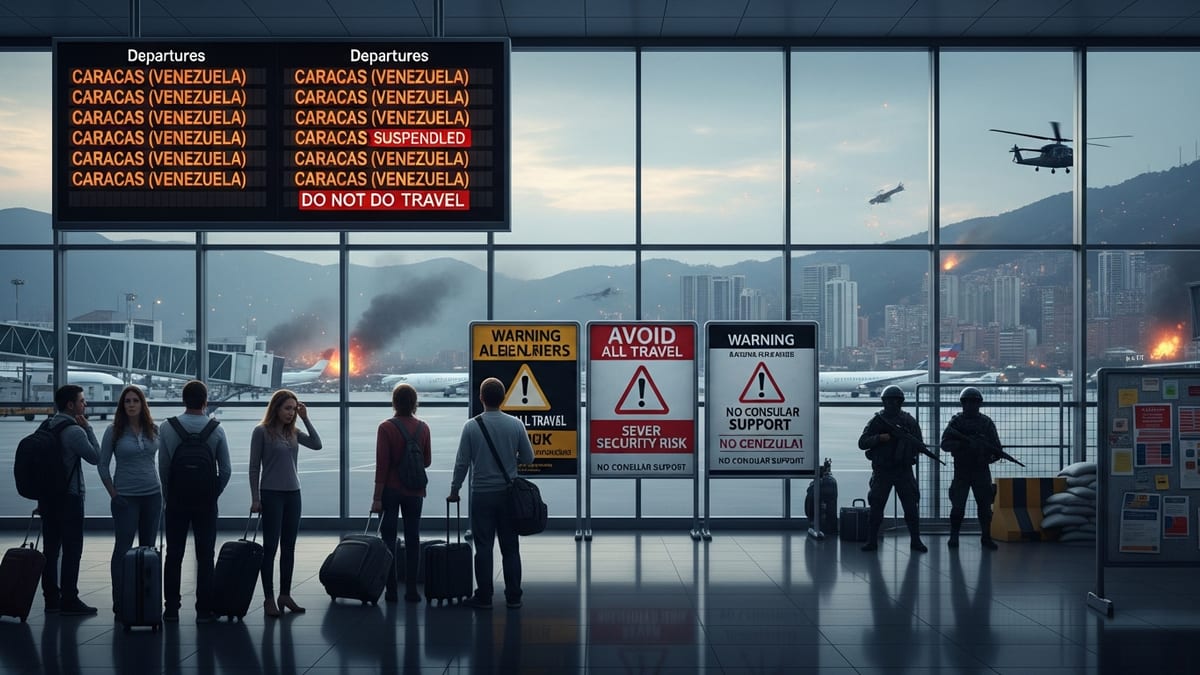
Advisory Raised Amid Expanded Security Concerns
Publicly available information on Global Affairs Canada’s travel advisory portal shows that Mexico is now subject to a higher overall risk level than in recent years, with the country flagged under the avoid non-essential travel category for a significantly wider area than before. The change reflects an updated assessment of criminal violence, kidnapping, and local instability that Canadian officials monitor through security and consular reporting.
While Mexico has long carried regional advisories focused on specific states and border zones, recent updates indicate a broader application of the avoid non-essential travel classification. Coverage from Canadian and international outlets reports that additional states popular with foreign visitors have been moved into higher-risk categories following a series of violent incidents and targeted attacks in 2026.
The advisory upgrade does not equate to a blanket prohibition on travel, but it signals that the Government of Canada now views many parts of Mexico as carrying risk levels that fall beyond what is considered acceptable for leisure trips. The guidance emphasizes that Canadians choosing to travel despite the advisory should be prepared for limited consular assistance in some regions and rapidly changing security conditions.
Mexico remains one of the most visited international destinations for Canadians, particularly in the winter months, so the timing of the new advisory is expected to influence booking patterns for late 2026 and early 2027. Travel industry analysts cited in recent media coverage suggest that some demand may shift toward Caribbean islands and Central American countries that currently carry lower risk ratings.
What “Avoid Non-Essential Travel” Means for Canadians
The Government of Canada uses a four-tier system for travel advisories, with avoid non-essential travel categorized as Level 3. According to official explanatory material, Level 3 indicates that the safety and security situation poses a serious risk, and that Canadians should only travel if the purpose is essential, such as urgent family matters or critical business, rather than tourism or discretionary trips.
Travel.gc.ca guidance notes that an avoid non-essential travel advisory can have direct implications for travel insurance. Many policies either exclude coverage for destinations listed at Level 3 or require additional riders and premiums, which travelers must secure before departure. Canadians who booked packages before the latest advisory was issued may need to review their contracts to determine eligibility for credits, date changes, or partial refunds.
Published government information also highlights that consular services may be constrained in areas under higher-level advisories. In certain parts of Mexico, local conditions and security restrictions can limit how quickly Canadian officials are able to provide on-the-ground assistance if travelers encounter emergencies such as detentions, medical incidents, or crime-related events.
Travelers are encouraged through publicly available guidance to enroll in the Registration of Canadians Abroad service prior to departure. This enrollment allows Canadian authorities to send updates, including security alerts and information on natural disasters, directly to registered travelers by email or text message while they are in Mexico.
Regional Hotspots and Areas of Greatest Concern
The detailed Mexico country page on Travel.gc.ca outlines regional advisories that sit under the national warning, pointing to elevated risks in several states connected with organized crime, drug trafficking, and clashes between rival groups. Recent media coverage referencing Global Affairs Canada has highlighted states such as Sinaloa, Sonora, Jalisco, Michoacán, and Chiapas as among those where the advisory reaches avoid non-essential travel or, in some specific areas, even stronger cautions.
In northern and western Mexico, reports describe shifting cartel dynamics and sporadic roadblocks, targeted killings, and confrontations with security forces. These incidents can occur with little warning and sometimes impact major highways and secondary roads used by tourists traveling between coastal resorts and interior cities.
In parts of southern Mexico, including sections of Chiapas and neighboring regions, tensions linked to social conflicts, protests, and localized criminal activity have contributed to a more unpredictable environment. The advisory notes a risk of road closures, sudden demonstrations, and clashes that can disrupt transportation and create safety concerns for foreign visitors.
At the same time, publicly available information stresses that risk is not uniform across the country. Some cities and resort areas, particularly those with strong tourism infrastructure and enhanced local security measures, continue to welcome large numbers of international visitors. However, the expanded advisory underlines that conditions can change quickly, and that even traditionally popular destinations can be affected by incidents in nearby regions.
Impact on Winter Sun Travelers and the Tourism Industry
The new avoid non-essential travel warning arrives just as Canadian travelers typically begin finalizing winter vacations, especially to beach destinations along Mexico’s Caribbean and Pacific coasts. Tour operators and airlines had already been promoting winter 2026 and spring 2027 packages, and industry coverage indicates that the advisory is likely to prompt a wave of itinerary reviews and destination switches.
Some carriers and tour companies operating from major Canadian cities may allow customers to change Mexico bookings without severe penalties when a Level 3 advisory is in effect, particularly if the change is made shortly after the advisory is updated. However, published policies vary widely by company, and travelers are being urged in news reports to check the specific terms attached to their tickets or packages.
On the ground in Mexico, local tourism boards and hospitality operators have been working over recent years to highlight improved safety measures in major resort corridors and historic centers. The latest Canadian advisory presents a new challenge to these efforts, as it may influence not only visitor numbers but also travel insurance underwriting and corporate risk assessments for meetings and incentive travel.
Some travel analysts quoted in recent coverage predict that Canadian vacationers could pivot more strongly to destinations such as the Dominican Republic, Jamaica, Costa Rica, and certain U.S. sun states during the coming high season. Others note that a segment of experienced Mexico travelers, familiar with specific regions and local suppliers, may continue to visit while taking additional precautions.
Practical Steps for Those Still Planning Trips
For Canadians who decide that their reasons for travel to Mexico qualify as essential, or who opt to proceed with already-paid arrangements, publicly accessible government guidance outlines several risk-mitigation measures. These include keeping itineraries flexible, staying informed about developments in the specific state or city to be visited, and avoiding overland travel at night between airports and resort areas.
Travel.gc.ca materials also recommend that visitors maintain a low profile, avoid displaying signs of wealth, and use only registered taxis or pre-arranged transportation services from airports and major bus terminals. Travelers are advised to monitor local news in Spanish or English where available, and to follow any security directions issued by local emergency services during incidents or severe weather events.
An important administrative step involves confirming health and travel insurance coverage that explicitly includes destinations under an avoid non-essential travel advisory. Insurance documents should be carried in both digital and printed form, alongside copies of passports and booking confirmations, in case of loss or theft.
Finally, Canadians are encouraged through official publications to review destination-specific sections on crime, local laws, and natural hazards before departure. For Mexico, these sections currently highlight issues such as organized crime, hurricane activity in coastal regions, and varying enforcement practices for local regulations, all of which may affect how comfortable and secure travelers feel about going ahead with their plans.