


More news on this day
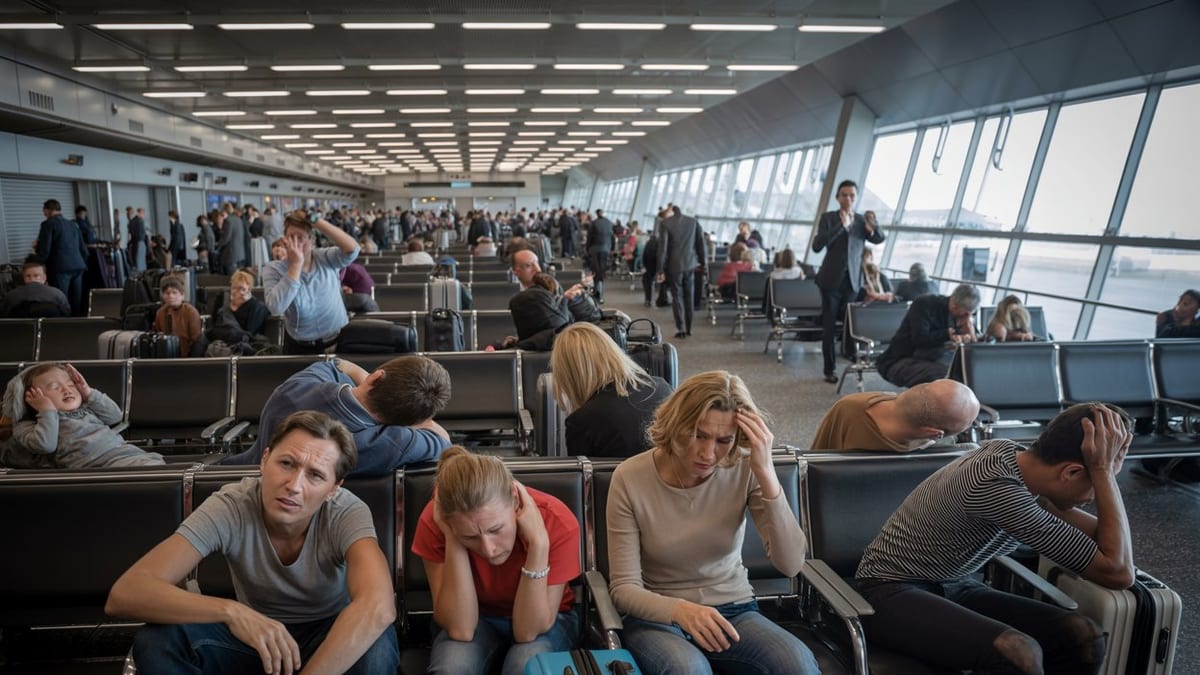
Record rainfall in Bangkok has flooded key access routes to Suvarnabhumi International Airport, disrupting Thai Airways operations and leaving hundreds of South Korean passengers stranded for up to 14 hours overnight.
Get the latest news straight to your inbox!
Record rain overwhelms Bangkok and its transport links
Publicly available information from Thai government updates indicates that more than 330 millimeters of rain fell across the Bangkok metropolitan area between September 24 and September 27, 2026, inundating low lying neighborhoods and major roads. Large sections of the capital have been declared disaster zones, with some residential streets reportedly under chest high water.
Government tallies cited in regional media report that around 4,900 residents have taken shelter in more than 200 temporary facilities set up in schools and temples, while an estimated 52,000 households have been affected by floodwater. Local authorities have issued special public holiday orders for Bangkok and several surrounding provinces in an effort to reduce road traffic and keep people out of high risk areas.
Transport advisories from official tourism channels state that both Suvarnabhumi and Don Mueang airports remain open. However, localized flooding around access corridors, particularly in the Lat Krabang area east of the city, has complicated journeys to and from the main international hub. Travelers have been urged to allow significantly longer transfer times, avoid severely flooded roads where possible, and monitor airline notifications closely.
Rail based services, including the Airport Rail Link and urban BTS and MRT lines, are reported to be operating, but widespread road closures and standing water have limited options for passengers who rely on taxis, ride hailing services, or buses to complete their airport transfers.
Hundreds of Korean passengers face overnight waits at Suvarnabhumi
According to coverage in Korean and Thai media, the flooding’s most visible impact on international travel has been at Suvarnabhumi Airport, where a series of delays on Thai Airways services to South Korea left several hundred Korean passengers waiting through the night. Reports describe departure boards showing repeated schedule changes, with flights originally due to leave shortly before midnight on September 27 pushed back multiple times into the morning of September 28.
Accounts compiled by Korean news outlets indicate that one Thai Airways flight to Seoul, initially scheduled around 23:10 local time, was rescheduled in stages to after 06:00, extending the total waiting time for some passengers to around 14 hours. Another service due to depart at 23:35 reportedly experienced similar disruption, leaving additional groups of Korean travelers stuck airside with limited information.
Media reports state that the delays have been linked to staffing shortages and ground handling challenges caused by the floods, with some airport and airline personnel unable to reach the terminals on time. Public statements from airport management summarized in local English language coverage attribute both flight delays and baggage backlogs to these ground side constraints rather than to any closure of runways or airspace.
While there have been complaints reported about sparse communication at departure gates during the worst of the disruption, publicly available information does not indicate any injuries among the stranded passengers at Suvarnabhumi. Travelers faced long periods in departure lounges as they waited for updated departure times, with limited clarity on when conditions on the ground would stabilize enough for normal operations to resume.
Airline operations under strain but airports remain open
Local news and airport advisories emphasize that Suvarnabhumi itself has continued to operate throughout the flooding, with runways and terminal buildings remaining dry. The key bottlenecks have arisen in landside access and ground handling, from staff transport to baggage sorting areas and aircraft servicing zones affected by high water levels.
In public explanations cited by regional media, Suvarnabhumi Airport management has acknowledged complaints from passengers about long waits for both departures and checked luggage. The airport has pointed to reduced staffing levels and disrupted logistics in flood affected districts as the main causes of the delays, while reiterating that core safety and navigation systems are functioning.
Thai Airways, which operates a dense network of flights between Bangkok and multiple South Korean cities, has faced particular scrutiny in Korean coverage due to the concentration of affected passengers. News reports describe a series of rolling schedule changes rather than outright cancellations on the routes involved, reflecting the airline’s efforts to keep services operating despite an evolving weather and staffing situation.
Information released through official tourism and transport channels confirms that other airlines using Bangkok’s airports are also monitoring the situation closely, with some adjusting flight times or altering aircraft rotations to cope with the disruption. However, there is no indication from current public data of a generalized suspension of international flights in or out of the Thai capital.
Wider flood impacts across Thailand’s central region
The disruption at Suvarnabhumi has taken place against a wider backdrop of severe flooding across Bangkok and neighboring provinces. Thai government summaries referenced in international media link the heavy rains to seasonal monsoon conditions, intensified by weather systems that have stalled over central Thailand.
Reports from domestic outlets indicate that at least eight people have died in flood related incidents nationwide in recent days. In Chon Buri province, near the resort city of Pattaya, local media describe a case in which a man believed to be South Korean went missing after being swept into a drainage channel during high water on September 24. Coverage on Monday noted that a body matching his description was recovered on September 27, pending formal identification.
Within Bangkok, some districts have experienced significant strain on infrastructure and supplies. Government statements summarized by national newspapers refer to temporary shortages of certain consumer goods after episodes of panic buying in affected neighborhoods, although major transport arteries and commercial areas have remained functional in many parts of the city.
Even as drainage systems begin to clear water in some zones, officials have warned through public advisories that further localized flooding remains possible if additional heavy showers occur. Repair work on damaged roads and drainage channels is expected to continue for days after the immediate floodwaters recede.
Guidance for travelers heading to or transiting Bangkok
Official tourism updates underline that both Suvarnabhumi and Don Mueang airports are open and receiving flights, but advise visitors to plan for longer transfer times and potential disruption. Information issued through national tourism platforms highlights that rail connections, including the Airport Rail Link to central Bangkok, are operating and may be more reliable than road based options where water levels remain high.
Travel advisories recommend that passengers due to depart from Bangkok check their flight status frequently through airline channels and be prepared for last minute schedule changes. For those traveling to the airport, using elevated rail lines where available and allowing several extra hours for check in and security is encouraged while flood related congestion continues.
Guidance from Thai government and tourism agencies also cautions against driving through heavily flooded districts east of the city when approaching Suvarnabhumi, noting that certain routes around Lat Krabang and other low lying areas are experiencing persistent standing water. Call centers for the Airports of Thailand and tourism authorities are available around the clock to provide information on current conditions.
For visitors already in Bangkok or planning imminent trips, publicly available information suggests that many central tourist districts remain accessible, even as suburban and outlying neighborhoods cope with serious flooding. However, the experience of Korean passengers stranded for up to 14 hours at Suvarnabhumi illustrates how quickly transport conditions can change, underscoring the importance for travelers of monitoring weather bulletins and maintaining flexible itineraries during the late monsoon period.