


More news on this day
Japan’s record-breaking tourism rebound is taking on a new dimension as a fast-growing wave of anime-inspired visitors from Arab countries turns pop culture fandom into long-haul travel across Japanese cities and regional towns.
Get the latest news straight to your inbox!
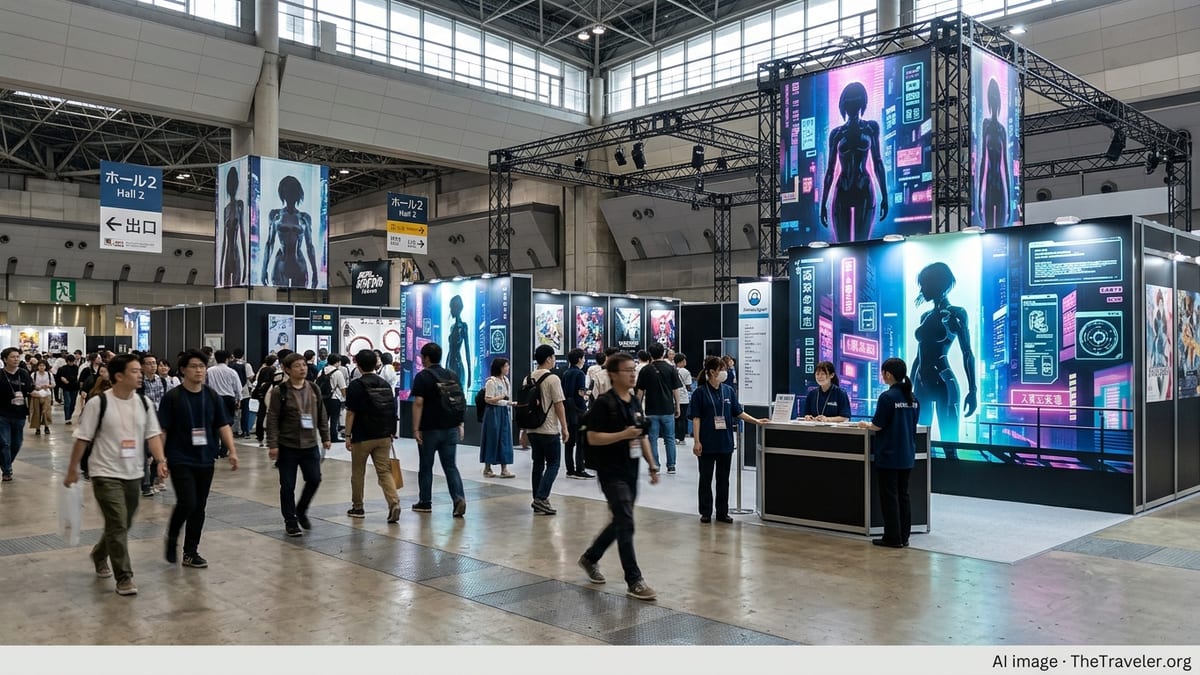
Middle East Arrivals Surge As Japan Diversifies Tourism Markets
Japan has emerged from the pandemic with record visitor numbers, and the Middle East is playing an increasingly visible role in that growth. Japan National Tourism Organization statistics and sector analyses indicate that the country welcomed about 36.87 million visitors in 2024, surpassing pre-pandemic levels and signaling a broader diversification beyond its traditional East Asian markets. Publicly available briefings show that the share of travelers from regions including North America, Europe, Australia, and the Middle East expanded in 2025, even as the proportion from China declined.
Within that shift, the Middle East is described in tourism reports as one of Japan’s priority markets for so-called high-value-added travelers. Travel trade coverage notes that visitors from the six Gulf Cooperation Council countries, along with other Middle Eastern markets, still account for less than 4 percent of total arrivals but are growing from a relatively small base and contributing disproportionately to spending and luxury travel segments. Weakness in the yen and competitive airfares from Gulf hubs are reinforcing that trend.
Recent coverage of inbound flows in 2026 shows that the Middle East is among the fastest-growing source regions in percentage terms, with some monthly figures citing year-on-year increases of more than 40 percent in visitor arrivals from the region. Analysts point to this momentum as evidence that long-haul markets from the Arab world are becoming more important to Japan’s tourism mix, both for big cities and for lesser-known prefectures courting new guests.
Industry commentary links the rise in Middle Eastern visitors not only to exchange rates and connectivity, but also to Japan’s targeted promotion of cultural content, including anime, manga, and gaming, as part of broader soft power strategies. That focus is giving Arab travelers specific reasons to choose Japan over rival destinations in Europe or North America when planning long-haul leisure trips.
Anime Pilgrimages Move Visitors Beyond Tokyo’s Otaku Hubs
Anime and manga have long drawn domestic fans to real-world locations featured in popular series, a pattern scholars and policymakers in Japan refer to as contents tourism. As international travel rebounds, this phenomenon is extending to foreign visitors who design itineraries around animated worlds. A Japan Tourism Agency survey summarized in a recent tourism newsletter reported that around 11.8 percent of overseas tourists in 2024 cited anime, manga, or games as a motivation for visiting Japan, underlining the scale of the niche.
For Arab travelers, this has translated into a growing number of so-called anime pilgrimages that go beyond shopping in Tokyo’s Akihabara or Shinjuku districts. Travel blogs, social media accounts, and tour operators’ materials in Arabic now highlight regional destinations tied to specific series. Fans are heading to coastal towns, mountain villages, and local train lines that appeared in films and television shows, turning modest communities into new international touchpoints for the Middle East.
Local governments and tourism associations are responding by featuring anime-related attractions in multilingual promotional campaigns. Initiatives range from illustrated location maps and themed photo spots to seasonal events aligned with film anniversaries or new TV releases. While these efforts target a global fan base, Arabic-language materials and outreach at Middle East travel fairs indicate that Arab visitors are explicitly part of the audience.
Travel industry analyses suggest that this pattern is helping Japan achieve a key policy goal: spreading foreign visitor spending to regional areas. With overall inbound travel to non-metropolitan regions rising in 2025, anime-linked sites in prefectures such as Saitama, Gifu, and Hiroshima are being cited as examples of how pop culture can shift tourist flows away from a narrow Tokyo–Kyoto–Osaka corridor.
Gulf States Become Gateways for Japan’s Pop-Culture Tourism
The anime tourism boom among Arab visitors is closely tied to developments in the Gulf. Aviation and market research reports describe a steady buildup of routes between Japan and hubs such as Dubai, Doha, and Riyadh, improving access from the wider Middle East and North Africa. As outbound spending from Gulf Cooperation Council residents is forecast to rise over the coming decade, Japan is positioning itself as a premier long-haul option for young, affluent travelers.
Regional pop-culture events reinforce these links. The Middle East Film and Comic Con in the United Arab Emirates, which drew tens of thousands of visitors in its 2025 edition, regularly features Japanese guests, anime screenings, and branded experiences. Media coverage from Saudi Arabia also points to strong turnouts at Japan-themed festivals in Riyadh, where anime, cosplay, green tea workshops, and language classes combine to showcase contemporary Japanese culture to local audiences.
These festivals may take place thousands of kilometers from Tokyo, but they are helping to seed future trips. Tourism promotion agencies and private-sector exhibitors use such platforms to distribute Japan travel information in Arabic and English, from visa guidelines to suggested itineraries that highlight anime districts, studio museums, and regional film locations. As awareness grows, more first-time travelers from the Arab world are choosing Japan specifically because of its pop culture, rather than discovering anime only after arrival.
Specialist travel agencies in Gulf markets are also starting to package anime-themed tours that combine city experiences with regional excursions. Itinerary examples in trade media include stops in Akihabara and Ikebukuro, visits to theme parks tied to major franchises, and day trips to rural areas associated with hit films. This bundling gives anime fans a structured way to move beyond familiar urban landmarks and explore smaller communities that might otherwise be overlooked.
Cultural Journeys Deepen Engagement Across Cities and Regions
Anime travel from Arab countries is part of a broader pattern of cultural journeys that deepen engagement with Japan’s society and heritage. Once in the country, many visitors who arrive for pop culture are adding traditional experiences such as temple visits, kimono rentals, calligraphy classes, and regional food tours. Tourism researchers describe this layering of interests as a progression from fandom to more holistic exploration of Japanese life.
Data from inbound travel surveys show that foreign visitors who venture beyond major metropolitan areas tend to stay longer and spend more on local accommodation, dining, and transport. For Arab tourists, this often involves combining major city stays with side trips to places like Kanazawa, Takayama, or Kyushu hot-spring towns, where anime references serve as entry points to wider attractions such as historical districts and natural scenery.
Publicly available case studies from regional tourism boards point to collaborations with anime studios and publishers to curate routes that connect fictional narratives with local crafts, seasonal festivals, and regional cuisines. Examples include pairing a visit to an anime location with introductions to traditional pottery workshops, tea farms, or maritime heritage museums, reflecting a conscious effort to link contemporary fan culture with older cultural assets.
Observers note that this trend also intersects with Japan’s strategy to attract more luxury and high-spending visitors. Boutique ryokan, private guides, and premium rail journeys are being marketed to Middle Eastern clientele who may start their planning with anime inspirations but are willing to invest in comfort and exclusivity along the way. As a result, anime tourism is no longer viewed solely as a youth or budget segment, but as a gateway to higher-value cultural travel.
Industry Weighs Opportunities and Sustainability Challenges
As anime-driven interest from Arab travelers grows, Japanese policymakers and industry stakeholders are weighing both the opportunities and the pressures that come with it. National tourism plans emphasize the need to manage visitor flows carefully, citing concerns about congestion in iconic districts and the risk of overwhelming small communities that suddenly rise to prominence through hit series.
Academic work on contents tourism in Japan has highlighted the delicate balance between preserving everyday life in residential neighborhoods and accommodating fans who want to photograph familiar streets or local schools featured in anime. Some municipalities have already experimented with visitor guidelines, signage, and voluntary codes of conduct to maintain privacy and respect for residents while still welcoming fans.
At the same time, analysts argue that the diversification of inbound markets, including the rise of Arab anime enthusiasts, could make Japan’s tourism sector more resilient to shocks in any one region. By spreading demand across seasons, destinations, and traveler profiles, the country aims to support rural revitalization and small business growth while avoiding overdependence on a handful of large markets.
For now, sector observers see little sign that enthusiasm is waning. With new anime titles continuing to find audiences across the Arab world through streaming platforms and cinema releases, and with Middle Eastern travel demand on an upward trajectory, Japan’s anime travel boom appears set to remain a powerful draw. The challenge for destinations will be to harness that energy in ways that benefit local communities as much as the fans eager to step into their favorite stories.