


Anse La Raye on Saint Lucia’s west coast is best known for its pastel fishing village and Friday fish fry, but just inland the rainforest hides one of the island’s most atmospheric waterfall experiences. The Anse La Raye waterfall, reached by rough backroads and short forest trails, is increasingly included on ATV and adventure tours from Marigot Bay, Castries and the north. This guide explains how to experience the waterfall in a safe and rewarding way, and how to pair the trip with lingering time in the village itself.
Get the latest updates straight to your inbox!
Understanding the Anse La Raye Waterfall Area
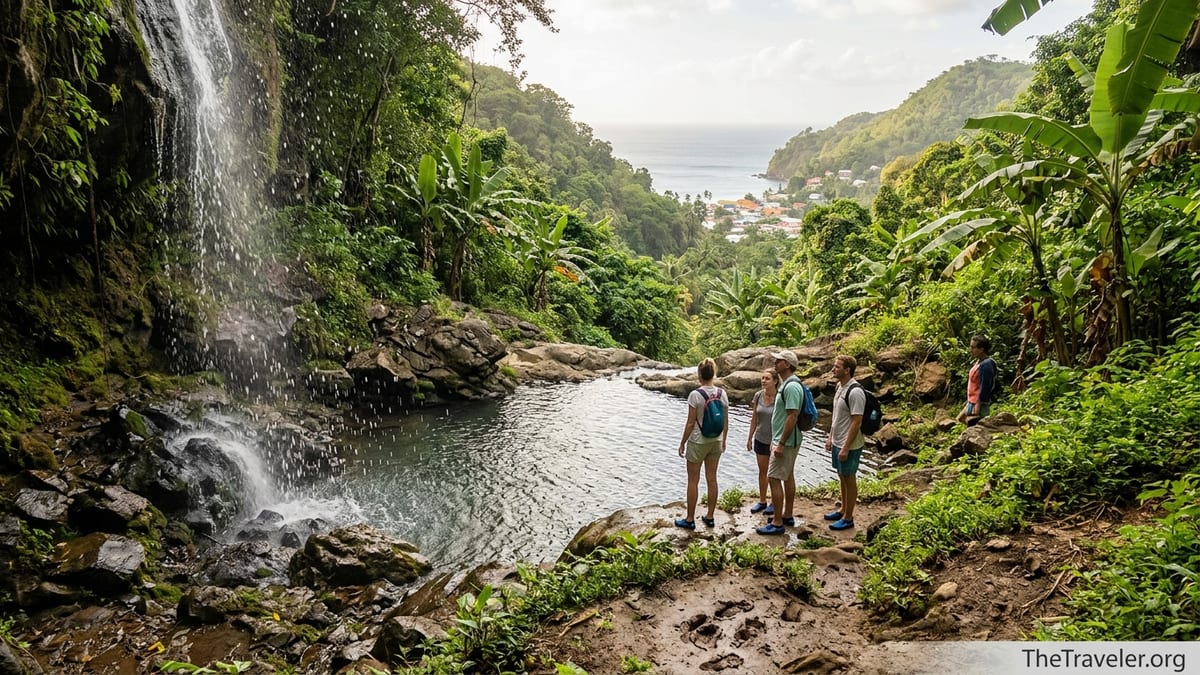
The waterfall commonly referred to as the “Anse La Raye waterfall” sits in the hills above the Anse La Raye Quarter on Saint Lucia’s west coast. Tour descriptions vary, but most refer to a medium‑height cascade surrounded by dense rainforest, with a natural pool suitable for a cool dip. Locals and guides regard it as one of the more scenic off‑the‑beaten‑path waterfalls on the island, in contrast to the busier falls around Soufrière.
Access is along old plantation and farm roads that climb inland from the coast near Roseau Valley and Anse La Raye. Independent drivers and local guides know the route, but there is little in the way of public signage once you leave the main highway. For most visitors, the most practical way to see the waterfall is by joining an organized ATV or 4x4 tour that includes transport from coastal hubs such as Marigot Bay, Castries, or the resort areas around Rodney Bay.
Conditions at the waterfall can change quickly after rain, which is frequent in the interior. The pool is usually calm, but flow increases in the wettest months and the access path can become slick. Rather than thinking of the site as a manicured attraction, picture a natural forest setting: uneven stones, roots crossing the trail, and minimal built infrastructure.
The waterfall area sits within a working rural landscape of small farms, banana plots and forest. On the way inland you are likely to pass through the broader Anse La Raye District, including Roseau, which is known for its valley of banana plantations, before arriving at the narrower tracks that lead toward the falls. Expect a mix of village life and untamed nature rather than a single, fenced‑in attraction.
How to Get There: Transport & Tour Options
Anse La Raye lies around 20 to 25 minutes by road from Castries under normal traffic, and roughly 15 to 20 minutes south of Marigot Bay by car. The waterfall itself is further inland along secondary roads, so you should allow at least a half day for a visit from most west‑coast bases. Driving yourself in a rental car is possible but not recommended for first‑time visitors unless you are very comfortable with steep, narrow island roads and occasional rough sections.
Most travelers reach the waterfall as part of an organized excursion. Several small local operators based around Marigot Bay and Castries run ATV adventures that start in the Roseau Valley and wind uphill through plantation country, past rural communities and into the forest toward the falls. Recent traveler reports describe these tours as a highlight of their stay, praising the balance of gentle off‑road riding, local commentary and time at the pool for a swim.
Typical ATV waterfall tours last around three to four hours door to door, including hotel pickup, a safety briefing, ride time and a short hike to the pool. Prices can vary but recent examples shared by visitors suggest a ballpark of around 120 to 160 US dollars per person, depending on group size, inclusions and whether private transport is provided. Some operators bundle the waterfall stop with additional activities such as a coastal photo stop or a visit to a small rum or banana plantation shop.
If you prefer not to ride an ATV, a private driver or small tour company can also arrange a 4x4 or minivan trip to the trailhead instead. In this case, the journey is more about scenery and conversation than off‑road thrills, and can be easily combined with other west‑coast highlights such as Marigot Bay viewpoints or brief beach stops near Anse Cochon on the same day.
Trails, Terrain & Current Conditions
Reaching the waterfall from the end of the vehicle track typically involves a short walk, usually quoted by guides as around 10 to 20 minutes each way at an easy pace. The path is informal rather than paved, following dirt and packed earth through rainforest. Expect sections with exposed tree roots, rocks and occasional small steps or short steeper pitches where you may need to use your hands for balance.
In the dry season, roughly from December to April, the trail is generally firm with scattered muddy patches after showers. During the wetter months, especially June to November, rain can turn parts of the track slick and puddled, and small side streams may swell. Local guides often adjust timing to avoid the heaviest afternoon showers, leaving coastal areas in the morning so that guests can walk in cooler, more stable conditions.
There are no formal handrails or ropes in most sections, so visitors with limited mobility or serious knee or ankle issues may find the walk challenging. Families with school‑age children who are accustomed to walking on uneven ground usually manage the trail well, especially with a guide who can indicate the safest footing and slower route choices. Very young children are better suited to being carried in a proper hiking carrier rather than attempting the full walk themselves.
Because this is a natural site, maintenance is informal and driven by local guides who clear branches or debris as needed. After particularly heavy storms, access can be temporarily affected by fallen trees or small landslides. When booking, it is sensible to confirm with your chosen operator a day or two in advance that the waterfall is currently accessible and to ask about recent trail and road conditions.
Swimming, Footwear & What to Bring
The pool at the base of the Anse La Raye waterfall is one of the main reasons people make the trip. Depth varies seasonally and across the basin, but visitors commonly describe it as deep enough to wade and swim in the central section with shallower shelves near the edge. The water is cool rather than icy, a refreshing contrast to the tropical heat after the ATV ride or walk.
Rock surfaces around the edge and in the pool can be slippery with algae, so secure footwear matters. Lightweight hiking shoes or trail sandals with good grip are ideal for the walk in, while some visitors prefer to switch to water shoes for clambering on the rocks and entering the pool. Regular flip‑flops are not recommended, as they tend to slide on wet surfaces and offer little protection for toes.
Most tours allow a generous swim stop, often 30 to 45 minutes at the falls, so bring swimwear under your clothes or a change in a small daypack. A compact quick‑dry towel, a dry bag for electronics and a light shirt to put on after swimming will make the return trip more comfortable. Mosquitoes and sandflies can be present in the forest, especially in still, humid weather, so packing an insect repellent and a small amount of reef‑safe sunscreen is sensible.
Many tour companies provide helmets for ATV sections, bottled water and sometimes local snacks such as fresh fruit. It is still wise to carry your own reusable water bottle and perhaps a small energy snack, particularly if you are joining a morning departure before breakfast or planning to pair the excursion with a later lunch in Anse La Raye village.
ATV Adventures vs Guided Hikes
Choosing between an ATV adventure and a more traditional guided hike or 4x4 trip depends on your comfort level and what you want from the experience. ATV tours appeal to travelers who enjoy active outings and a bit of controlled adrenaline. Riders usually travel in convoy along dirt roads, over small streams and past working farms, stopping for photos and viewpoints before dismounting to walk the final section to the falls.
Guides on ATV tours typically begin with a safety briefing that covers braking, steering, spacing between vehicles and how to signal for help. Helmets are usually mandatory, and visitors with no prior ATV experience are often surprised by how quickly they adapt on the introductory flat stretches. Recent guest feedback often highlights the camaraderie of small groups and the opportunity to see a side of Saint Lucia’s interior that is otherwise hard to reach.
Travelers who prefer a slower pace, or who have back or joint concerns, may gravitate toward a guided hike or vehicle‑based excursion instead. In these cases, a local driver or walking guide leads you along the same backroads in a car or minivan, before joining you on foot to the waterfall. The emphasis shifts from the vehicle ride to conversation about village life, farming and local history, with more time for photos and questions.
Whichever option you choose, it is worth booking with an operator that caps group sizes. Small groups mean less dust on the trail, more flexible timing at the waterfall and greater attention to individual comfort. When researching providers, look for recent reviews that mention clear communication, well‑maintained equipment and guides who are attentive to different fitness levels.
Safety, Weather & Responsible Visiting
Waterfall trips around Anse La Raye are generally considered safe when undertaken with a reputable guide and a realistic understanding of your own limitations. The main risks come from slips on wet rock, minor scrapes from vegetation and occasional heavier flow after sudden downpours. Simple precautions, such as using three points of contact on slick sections, testing rock stability with your foot before committing weight and moving slowly near the edge of the pool, go a long way.
Weather is a key factor. The interior of Saint Lucia can receive sudden showers even on days that start out clear on the coast. In heavy rain, guides may shorten swim time or in rare cases decide not to enter the pool if visibility or flow seems unsafe. Trust their judgment; they know the patterns of the local rivers and will typically reschedule or modify the trip rather than push ahead in poor conditions.
Hydration and heat management are equally important. The walk through the forest is shaded but humid, and the ATV sections can feel hot under helmets and protective gear. Drink water regularly, take brief rests if you feel light‑headed, and let your guide know immediately if you feel unwell. Closed‑toe footwear and lightweight, breathable clothing that covers shoulders and mid‑calves can help protect against minor scratches and insect bites.
Respecting the environment and local community is part of traveling responsibly. Pack out all rubbish, avoid using soaps or shampoos in the waterfall pool, and refrain from climbing high onto the rocks for social media photos where a slip could damage sensitive vegetation or put you at risk. Many of the access roads pass close to small farms; a friendly wave, keeping noise down near homes and not photographing people without permission helps ensure that tourism remains welcome in the area.
Pairing the Waterfall with Anse La Raye Village
One of the great advantages of visiting this waterfall is how easy it is to combine the experience with time in Anse La Raye village itself. The settlement sits on a small bay lined with fishing boats, with wooden houses, local shops and the village church set just back from the waterfront. The pace is slow during the day, with fishermen mending nets, children walking to and from school and a few small snack bars serving simple Creole dishes.
Many visitors plan their waterfall trip to return to the coast in time for a late lunch in or near Anse La Raye. Modest eateries along the main street and seafront typically serve fish and chips, grilled snapper, or chicken with rice and peas, sometimes with seasonal sides like breadfruit, plantain or green fig salad. This is a good chance to try home‑style Lucian cooking at local prices before heading back to resort areas where menus tend to be more international in style.
If your dates line up, the village’s monthly fish fry is a lively way to extend your day. Traditionally held on the last Friday evening of the month, the event sees grills and stalls set up along the waterfront, with freshly cooked fish, lobster when in season, music and dancing. Planning a daytime waterfall excursion followed by a rest at your accommodation and an evening return for the fish fry can make for a full but memorable west‑coast day.
For those who prefer quieter cultural moments, an unhurried stroll through the village before or after your waterfall visit offers a different kind of connection. Step inside the church when it is open, browse small roadside stands for seasonal fruit, or simply sit on the seawall and watch the comings and goings of boats. Because cruise ship schedules and day tours can briefly swell visitor numbers, aim for morning or late afternoon if you want the most local feel.
The Takeaway
The Anse La Raye waterfall offers a rewarding mix of soft adventure and local life that contrasts nicely with better‑known sites around Soufrière. The combination of an off‑road journey through banana country, a short forest walk and a cool swim in a natural pool appeals to travelers who like experiences that still feel personal rather than mass‑market.
Success here depends on a few practical choices: booking with a reputable small operator, wearing footwear that can handle mud and slick rock, listening to your guide’s safety advice and planning your timing so that you have space to relax at the falls and in the village. With those elements in place, the day becomes less about ticking off a sight and more about enjoying Saint Lucia’s interior landscapes and the coastal community that shares its name with the bay.
Pairing the waterfall with time in Anse La Raye village, whether that means a simple lunch, a sunset stroll or joining the monthly fish fry, turns a half‑day excursion into a more rounded glimpse of island life. For many visitors, it is this blend of rainforest, river and fishing community that lingers longest after they leave the west coast behind.
FAQ
Q1. How difficult is the walk to the Anse La Raye waterfall?
The walk from the vehicle drop‑off to the waterfall is usually 10 to 20 minutes each way on uneven dirt and forest trails. Most reasonably fit visitors manage it without issue, but there are roots, rocks and some short steeper sections, so it is not ideal for people with serious mobility challenges.
Q2. Can I visit the waterfall without joining an ATV tour?
Yes. You can hire a private driver or join a small guided excursion that uses a car or minivan to reach the trailhead instead of ATVs. Because the backroads are poorly signed, going with someone who knows the route is strongly recommended rather than trying to navigate there alone on a first visit.
Q3. Is it safe to swim in the waterfall pool?
In normal conditions, swimming is a popular and generally safe part of the experience. The main precautions are to enter slowly, be aware of slippery rocks, avoid diving into unknown depths and follow your guide’s advice about where the current is strongest on the day of your visit.
Q4. What kind of shoes should I wear for the trail?
Closed‑toe shoes with good grip are best. Lightweight hiking shoes, trail runners or sturdy sport sandals work well. Thin flip‑flops or smooth‑soled fashion trainers often slip on wet rock and are not recommended for the walk to the falls or for moving around the pool edge.
Q5. Are ATV waterfall tours suitable for beginners?
Most ATV waterfall tours are designed with beginners in mind and start with a safety briefing and practice on easier terrain. Guides set a moderate pace and check in regularly, so confident first‑timers who are comfortable handling basic machinery usually do well, provided they follow instructions closely.
Q6. What should I bring with me for a waterfall and village day?
Pack swimwear, a small towel, insect repellent, reef‑safe sunscreen, a reusable water bottle, light snacks, and a dry bag or pouch for your phone and valuables. Modest clothing suitable for walking through villages and visiting the church is also a good idea if you plan to spend time in Anse La Raye before or after your hike.
Q7. When is the best time of day to visit the waterfall?
Morning departures are usually recommended. Temperatures are cooler, light is softer for photos, and you are more likely to enjoy the trail and pool with fewer people. Afternoon visits can still be enjoyable, but showers are more common later in the day, especially in the wetter months.
Q8. Can I combine the waterfall with Anse La Raye’s fish fry?
Yes. Many visitors plan a daytime waterfall excursion, return to their accommodation to rest, then head back to the village in the evening if their trip coincides with the monthly fish fry. Check dates locally, as the event is typically held on the last Friday of the month and schedules can occasionally change.
Q9. Is Anse La Raye village safe to explore on my own?
Anse La Raye is generally considered a friendly, welcoming fishing village, and most travelers feel comfortable walking the main streets and waterfront in daylight. As anywhere, keep usual travel commonsense: avoid flashing valuables, stick to well‑lit areas after dark and respect local advice about where to walk.
Q10. Do I need to book a waterfall tour in advance?
Advance booking is strongly advised, especially in the busiest months from December through April and around holiday periods. Small operators often run with limited group sizes, and reserving ahead helps you secure a departure time that fits with other plans, such as returning for the village fish fry or onward travel.