


More news on this day
A yellow weather warning for fog in place across large parts of England and Wales from Sunday evening into Monday morning is raising the risk of severe travel disruption across road, rail and air networks, according to publicly available forecast data and media reports.
Get the latest news straight to your inbox!
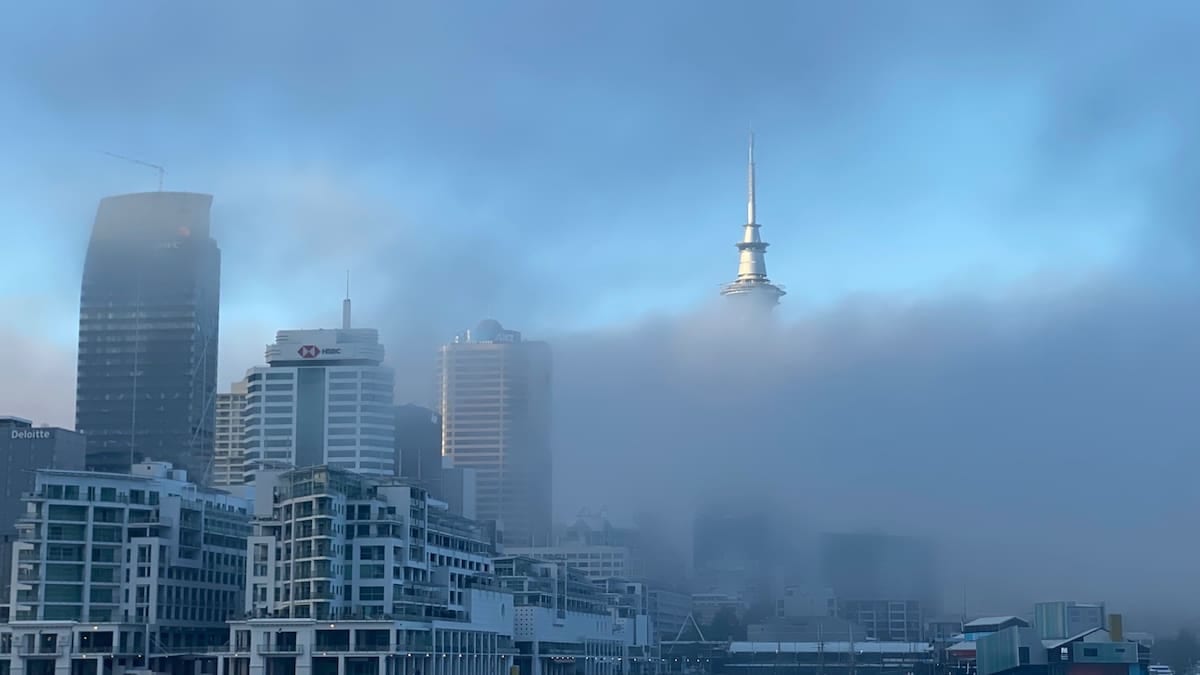
Wide area under yellow fog alert through Monday morning
Forecast information from the UK’s national weather service shows a yellow warning for fog valid from 18:00 on Sunday 8 November until 11:00 on Monday 9 November, covering much of southern England, the Midlands and parts of northern England and Wales. The warning highlights “fog leading to difficult travel conditions and possible delays,” with visibility expected to fall well below 200 metres in places overnight.
Published coverage from UK news outlets indicates that the affected area stretches from London and the South East through the East and West Midlands, into Yorkshire and Humber, and across parts of north west and south west England, as well as sections of Wales. The alert follows an earlier warning for dense fog during Sunday morning in parts of central and eastern England, suggesting a prolonged period of poor visibility for some regions.
Further detail issued alongside the warning notes that fog patches are likely to form readily during Sunday evening before becoming extensive by Monday morning. While no amber or red alerts have been issued, the Met Office’s warning matrix indicates that even a yellow category can bring low to moderate impacts for transport and daily activities over a broad area.
Fog is formally defined as a reduction in visibility to less than 1 kilometre, and the current setup is expected to produce much lower values at times. Forecast maps show the highest concentration of risk along major transport corridors in central and southern England, including sections of the motorway network and key intercity rail routes.
Road users urged to expect slower journeys and hazardous visibility
Guidance published with the yellow warning emphasises the likelihood of slower journey times, with delays to bus and train services described as possible. Motorists are advised to check road conditions before setting off, allow extra time, and ensure that vehicle lighting, including fog lights, is working correctly.
Dense patches of radiation fog, forming under clear skies and light winds, can appear highly localized, with visibility dropping from several hundred metres to just a few metres within a short distance. Such rapid changes can be particularly hazardous on faster roads, where drivers may encounter slow-moving or stationary traffic with limited time to react.
National road safety information for foggy conditions recommends reducing speed, increasing following distances, and avoiding sudden braking where possible. On motorways, drivers are encouraged to pay close attention to electronic message signs, which can be used to lower speed limits or warn of incidents during periods of particularly poor visibility.
Localised reports from previous dense fog events show that even when widespread closures are avoided, minor collisions, stranded vehicles and congestion around junctions can quickly cascade into significant delays at peak times. With the current warning coinciding with Sunday evening return traffic and Monday’s morning commute, the risk of knock-on disruption across multiple regions is elevated.
Airports and rail operators prepare for low-visibility operations
The yellow fog warning specifically mentions a chance of delays or cancellations to flights, reflecting the sensitivity of airport operations to visibility thresholds. Low cloud and dense fog can restrict both landing and departure capacity, even at major airports equipped with advanced instrument landing systems.
Recent UK coverage notes that aviation hubs serving London and the south of England are within or close to the warning area, including the country’s busiest international airport. In similar past events, airlines have resorted to schedule thinning, aircraft repositioning and diversions to manage runway flow rates that can drop significantly when low-visibility procedures are in force.
Rail services are considered less directly vulnerable than aviation, but published guidance still warns of possible delays to train and bus services under the current fog alert. Poor visibility can require more cautious driving conditions for rail replacement buses and connecting road transport, while speed restrictions on certain lines are occasionally used where signalling sighting or trackside work is affected.
Passengers with early morning flights or long-distance rail bookings on Monday are being widely advised, through publicly available travel updates, to check the latest service information before leaving home and to allow additional time for airport security and transfers in case of congestion.
Why yellow fog warnings matter for travel planners
Documents explaining the UK’s National Severe Weather Warning Service describe yellow warnings as signals that weather may cause some low-level impacts, including travel disruption, in a few places, or that more significant disruption is possible but less certain. For fog, the main concerns highlighted are reduced visibility affecting road, rail and air transport, together with potential knock-on impacts on daily routines.
The current alert is part of a broader system in which yellow, amber and red warnings are used to convey both the likelihood and potential impact of severe weather. For travellers and transport planners, the colour is only part of the message; official guidance stresses the importance of reading the detailed text of each warning to understand which modes of transport are at greatest risk and during what time windows.
Travel industry risk assessments typically combine such warnings with local forecast detail and previous event experience. For example, widespread fog around dawn across southern and central England is known to coincide with high volumes of commuter traffic, school runs and early business flights, increasing the potential for network strain even if conditions begin to improve later in the morning.
While many journeys are expected to continue, the key implication of a yellow fog warning is that a minority of travellers may face significant inconvenience, from extended journey times to missed connections. For operators, that means preparing contingency staffing, equipment checks and communication plans even when the probability of the most severe outcomes remains relatively low.
Practical steps for UK and international travellers
For visitors arriving from overseas, the timing of the yellow fog warning coincides with a busy period in the UK calendar, with Remembrance Sunday events, weekend city breaks and the early build-up to the winter travel season contributing to higher passenger numbers. Those planning to move between cities on Sunday night or Monday morning are being advised through media and public information channels to build flexibility into itineraries.
Practical recommendations derived from official safety guidance include checking the latest forecast and warning maps for specific locations, monitoring live travel information from rail and coach operators, and allowing additional connection time between different modes of transport. Where possible, travellers with non-essential early morning road journeys on Monday may wish to consider later departures once visibility has improved.
Accommodation providers in affected regions may see increased demand for last-minute bookings from travellers choosing to delay onward journeys. Publicly available advice for businesses encourages clear communication with guests about check-out flexibility, local transport conditions and any alternative arrangements that could help reduce pressure on the roads during the worst of the fog.
With the yellow warning currently due to expire by late morning on Monday, forecast data suggest that conditions should gradually improve through the day. However, the Met Office continues to highlight the potential for forecasts and warning areas to be updated, and travellers with time-sensitive plans are being encouraged to stay alert to any changes as the situation develops.