


More news on this day
Thick fog is forecast to blanket London on Sunday night, with a yellow weather warning in force and travelers advised to expect slower journeys and possible disruption across road, rail and air networks.
Get the latest news straight to your inbox!
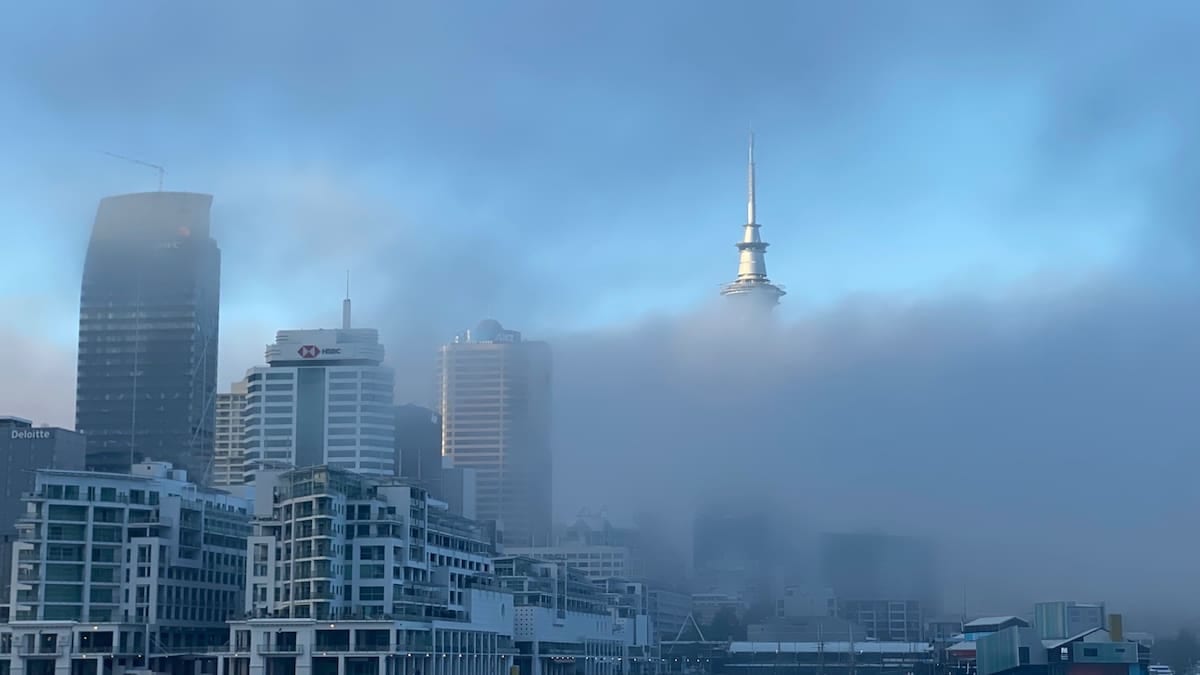
Yellow fog warning in force over London and the South East
Publicly available guidance from the Met Office shows a yellow weather warning for fog covering Greater London and much of south east England from 18:00 on Sunday 8 November until 11:00 on Monday 9 November 2026. The alert extends across a broad swathe of England, including parts of the East Midlands and East of England, where similar conditions are anticipated.
The warning describes fog patches forming readily on Sunday evening and becoming extensive overnight, with some areas likely to see dense fog and visibility reduced to around 50 metres or less. Forecasts indicate that the fog will be slow to thin on Monday morning, particularly in low lying areas and along key commuter routes into the capital.
According to national coverage of the warning, the current pattern of light winds, cool nights and relatively moist air has created what meteorologists describe as a perfect recipe for persistent fog. The same weather setup has already produced widespread low cloud and mist earlier in the weekend, with fog lingering into daytime hours in some southern districts.
The yellow category indicates a high likelihood of some impact, but not on the scale associated with more severe amber or red warnings. Nonetheless, the combination of very limited visibility, early morning commuter traffic and residual weekend travel is expected to place additional pressure on London’s transport system.
Road users urged to prepare for severely reduced visibility
Met Office guidance on fog related hazards highlights an increased risk of slower journey times and difficult driving conditions where visibility falls below 100 metres, particularly on high speed routes approaching London. National Highways information over the weekend has already linked poor visibility to multi vehicle collisions elsewhere in south east England, underscoring the risk when dense fog coincides with busy roads.
Drivers heading into or around the capital on Sunday night and Monday morning are being advised through public forecasts to check conditions before setting out, allow extra time and ensure lights are working correctly. The latest guidance stresses the importance of using front and rear fog lights when visibility is seriously reduced, while avoiding full beam headlights that can reflect off the fog and further impair vision.
Urban resilience planning documents for London note that fog can lead to an increased likelihood of road traffic collisions on major approaches, including motorways feeding into the M25 and radial routes such as the M1, M3 and M4. Within the city, slower speeds on dual carriageways and river crossings can quickly translate into congestion and knock on delays for buses and delivery traffic.
For visitors driving rental cars from Heathrow, Gatwick or other regional airports into central London on Sunday night, the combination of unfamiliar roads and thick fog may be particularly challenging. Travel advisers are recommending that those with flexible plans consider shifting longer drives to later on Monday, once updated forecasts confirm improving visibility.
Potential knock on effects for rail and air travel
The current yellow warning explicitly highlights the risk of delays to bus and train services, as dense fog can require reduced speeds and cause difficulties for services approaching congested stations and junctions. While modern signalling systems are designed to operate safely in low visibility, operational adjustments and cautious driving often lead to modest timetable slippage.
According to recent regional reports, fog related speed restrictions and platform crowding earlier on Sunday have already slowed rail services through parts of the Midlands and south east England. With fog forecast to redevelop and thicken after dark, further delays remain possible for late evening intercity and commuter services arriving into London terminals.
Air travel is also under scrutiny as the warning period coincides with overnight and early morning flights at London’s major airports. The Met Office notes that dense fog can trigger increased spacing between aircraft, diversions and occasional cancellations when visibility at runways drops below specified thresholds. Aviation coverage on Sunday has already flagged the possibility of disruption where visibility falls towards 50 metres at affected airports.
Travelers due to fly into or out of Heathrow, Gatwick, London City, Luton or Stansted on Sunday night or Monday morning are being encouraged in public advisories to monitor live departure boards and airline updates. Even when conditions at the departure airport are clear, inbound flights can be affected by low visibility at their destination, leading to rolling knock on delays across the network.
Impacts extend beyond London across central and eastern England
Although the focus for many travelers is on the capital, the fog warning in place on Sunday evening covers a wide geographic area running from roughly York to Bath and taking in much of central and eastern England. Local news outlets in counties such as Buckinghamshire, Oxfordshire and Hertfordshire report that the same yellow fog warning is in force from 18:00 Sunday to 11:00 Monday, with visibility again expected to fall near 50 metres in the densest patches.
In Milton Keynes and parts of the Thames Valley, forecasts indicate a chilly, murky night with fog forming widely after midnight. Guidance reproduced in regional coverage reiterates that fog patches will become extensive by Monday morning before gradually thinning later in the day. Similar messages have been issued for counties along the south coast and into East Anglia, where long distance road and rail links converge on London.
The wider pattern means that travelers heading into the capital from northern or western regions may experience disruption well before reaching the M25. Long distance coach operators and intercity rail services could be affected by localised pockets of dense fog along routes through the Midlands and home counties, potentially compounding any congestion closer to London itself.
For those planning early starts on Monday, forecasters suggest that conditions are most likely to improve late in the morning, once daylight and slightly stronger breezes assist in dispersing the fog. However, the Met Office is also advising the public through its online channels to stay alert for updates, noting that fog warnings can be adjusted as new data becomes available.
Advice for visitors and commuters preparing for the fog
With Sunday’s warning issued on Remembrance Sunday, many visitors to London are expected to be returning from commemorative events and weekend breaks as the fog thickens. Travel features over recent days have highlighted the importance of building flexibility into evening plans, particularly for those connecting to last trains or flights home.
Commuters who normally drive into outer London boroughs on Monday morning face a decision whether to risk reduced visibility or switch temporarily to rail and Underground services. While public transport is not immune to disruption, resilience planning documents indicate that rail and metro networks are generally less severely affected by fog than high speed roads and airports.
For short urban journeys, local authorities encourage the use of walking and cycling where safe and practical, especially in inner London where visibility may be marginally better due to street lighting and the urban heat island effect. Travelers are still advised to wear high visibility or light coloured clothing and use lights on bicycles, as dense fog and low cloud can make it harder for drivers to see other road users even on well lit streets.
Across all modes of transport, the consistent message from public guidance is to check the latest weather forecasts and operator information before travelling, allow extra time, and be prepared for slower moving traffic and altered schedules while the fog persists into Monday morning.