


More news on this day
Drivers in Sheffield are being urged to prepare for poor visibility on the roads as a Met Office yellow weather warning for fog affects parts of South Yorkshire, with transport reports highlighting the risk of delays and difficult morning journeys.
Get the latest news straight to your inbox!
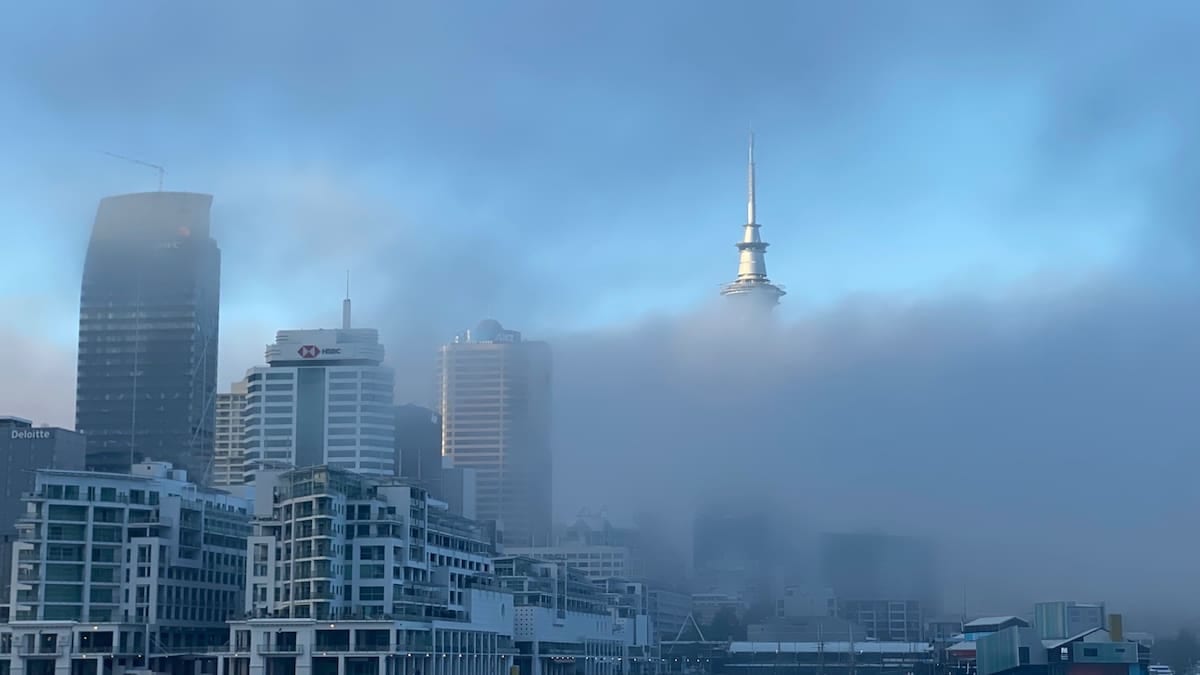
When the fog warning is in force over Sheffield
Publicly available information from the Met Office indicates that a yellow warning for fog is associated with widespread low cloud and dense fog patches across parts of England, including sections of Yorkshire and the Humber. Coverage from national and regional outlets on Sunday 8 November 2026 reports that Sheffield is among the areas expected to see significantly reduced visibility under the current warning period.
Reports describe dense fog forming during the late evening and overnight period, with the worst conditions anticipated through the small hours and into the morning rush. In previous similar events affecting the city, such as a yellow fog warning highlighted by local media earlier on Sunday, visibility has fallen below 50 metres on some routes, causing disruption to early traffic and public transport.
Met Office guidance on the warning system explains that yellow alerts are issued where weather conditions may lead to travel disruption and potentially hazardous journeys, even if not all locations in the warning area are affected equally. For Sheffield, that means drivers travelling between higher ground, valley routes and built up suburbs may experience quickly changing visibility as fog thickens and then lifts during the day.
Forecast details for Sheffield on Sunday 8 November and Monday 9 November show light winds, temperatures close to 8 or 9 degrees Celsius and persistent low cloud, a combination that can allow fog to linger in some areas after sunrise before slowly improving later in the morning.
What a yellow weather warning means for road users
Guidance published by the Met Office on the National Severe Weather Warning Service explains that yellow warnings cover a broad range of potential impacts, from minor delays to more disruptive conditions. For fog, the main concern is sudden and severe reductions in visibility that make it harder for drivers to see hazards, road markings and other vehicles in time to react safely.
Yellow level alerts indicate that many people may be able to continue their normal journeys but that some road users will be directly affected. The advisory language used for these alerts stresses the importance of allowing extra time, checking forecasts before travelling and being prepared for slower traffic. The emphasis is on staying aware that conditions can deteriorate quickly, particularly on exposed rural stretches and higher routes in and around Sheffield.
Road safety material from UK transport agencies notes that weather warnings do not automatically close roads, but they act as an early signal to think carefully about whether a journey is necessary. Where journeys do go ahead under a yellow warning, drivers are encouraged to adapt their driving style, vehicle speed and following distances in line with the more challenging conditions.
The current yellow alert for fog also coincides with the darker mornings of early November, which can further reduce contrast and make it harder to spot vulnerable road users such as cyclists and pedestrians. This combination of low light and low visibility is a particular focus of the advice now being shared with motorists.
Key advice for Sheffield drivers in foggy conditions
Across the UK, highway and transport guidance for motorists in fog stresses several core principles, all of which are highly relevant to drivers in Sheffield while the warning is in effect. Drivers are urged to slow down well below normal speeds where visibility drops, and to maintain much larger gaps from the vehicle in front to allow additional braking distance on damp road surfaces.
Official driver safety leaflets highlight that dipped headlights should be used whenever visibility is reduced, with front and rear fog lights only switched on when visibility falls below about 100 metres and switched off again once conditions improve, to avoid dazzling other drivers. Motorists are also advised not to rely solely on automatic lighting systems, which may not respond appropriately in thick fog.
Travellers are encouraged to use main, well lit routes rather than minor back roads during periods of dense fog, as main roads are more likely to benefit from clearer markings and active traffic management. Journey planners and real time traffic information can help identify areas where conditions are reported to be worst, allowing drivers to reroute or delay departure.
For those commuting into and across Sheffield at peak times, publicly available guidance points to the value of leaving earlier than normal, or working flexibly where possible, to avoid the highest risk period when overnight fog has not yet lifted. Motorists are also urged to clear all windows fully before setting off, use demisters correctly and avoid driving with only a small section of the windscreen wiped clear.
Impact on public transport and regional travel
Regional coverage suggests that yellow fog warnings can cause knock on effects for buses, trams and rail services serving Sheffield, even where main routes remain open. Reduced visibility can require slower operating speeds and additional safety checks, and passengers are often advised to allow extra time for journeys or check for disruption before travelling.
Previous fog events highlighted by local news outlets in South Yorkshire have brought warnings of slower bus journey times, some delays to rail services and a small chance of flight disruption where dense fog persists around airports. While not every yellow warning leads to widespread delays, travel providers frequently advise passengers to monitor service updates closely during warning periods.
On major roads in and around Sheffield, including key approaches through South Yorkshire, lower visibility can interact with already busy weekend and commuter traffic. Transport guidance emphasises that tailbacks and minor collisions are more likely when drivers fail to adjust to conditions, reinforcing the call for extra caution while the fog warning is in place.
With more unsettled weather expected across the UK through the rest of November according to extended Met Office outlooks, local travellers are being encouraged to stay familiar with warning maps and to factor the possibility of further advisories into medium term travel planning.
How long the risk may last and where to find updates
Met Office forecasts for Sheffield on Sunday 8 November and the early part of the week indicate that light winds and high humidity could allow further overnight fog to form even after the current yellow warning period ends. While the most severe impacts are expected overnight and into the morning under the warning, patches of misty and murky conditions may continue to affect early and late journeys for several days.
Public guidance for weather aware travel recommends checking the latest city specific forecast on the evening before a journey and again on the morning of travel, as fog can develop or clear faster than earlier forecasts suggested. For Sheffield drivers, this means that conditions experienced in one part of the city may not reflect those on higher routes or neighbouring districts at the same time.
Information provided by the Met Office stresses that weather warnings are updated as confidence in the forecast changes, so the geographical area, timing and level of impact can evolve over time. Yellow alerts can be expanded, reduced or allowed to expire once the most disruptive conditions have passed.
Motorists planning essential journeys over the coming days are therefore advised, in published guidance, to keep checking for changes to warnings, consider flexible travel times and remain prepared for further spells of fog or low cloud as November’s changeable conditions continue across South Yorkshire.