


Across the high deserts and canyons of the American Southwest, the stone villages, cliff dwellings and kivas of the Ancestral Puebloan world have become some of the most compelling places a traveler can visit. These are not just photogenic ruins. They are living cultural landscapes tied to present-day Pueblo, Hopi, Zuni and Navajo communities, and visiting them raises important questions about whose stories are being told and how. For many travelers, a day at Mesa Verde or Chaco Canyon changes how they see North American history, Indigenous resilience and even their own place in time.
Get the latest updates straight to your inbox!
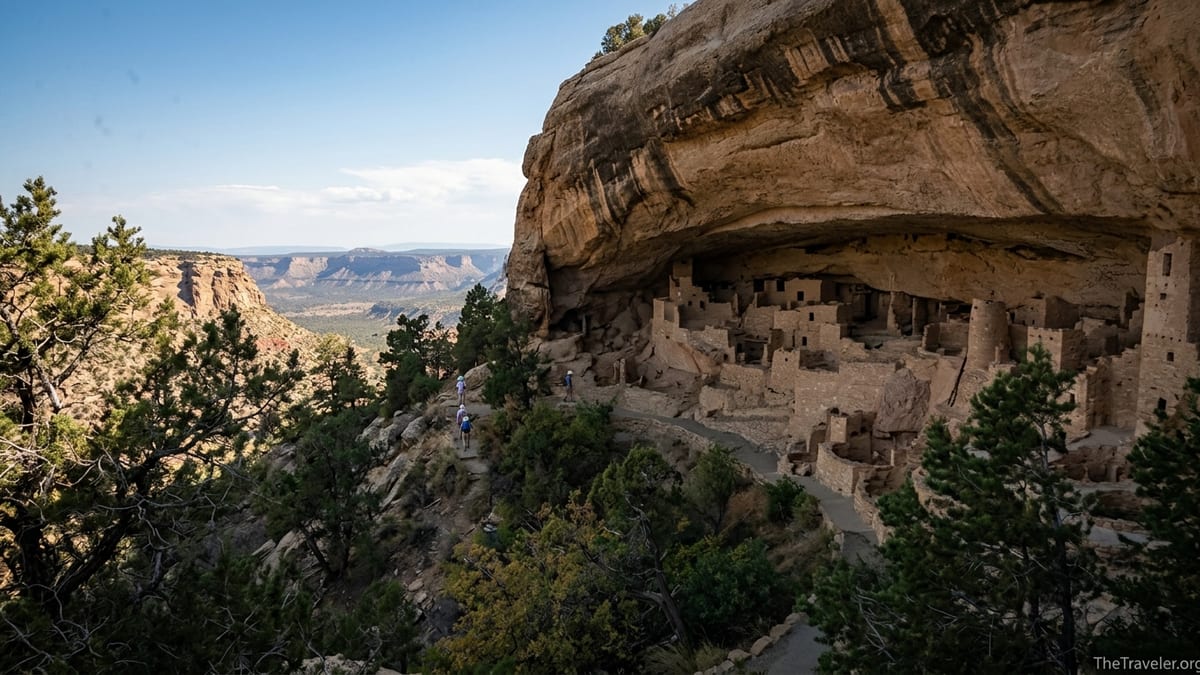
Understanding Who the Ancestral Puebloans Were
Before deciding whether these sites are worth your time, it helps to understand whose homeland you are entering. The term “Ancestral Puebloan” is used by archaeologists and the National Park Service to describe the maize-farming societies that lived in what is now the Four Corners region from roughly 500 to 1600 CE. They built dense stone towns, ceremonial kivas and intricate road systems in places like Chaco Canyon in northwestern New Mexico, Mesa Verde in southwestern Colorado and the cliff and mesa-top villages preserved at Bandelier in northern New Mexico. Their descendants today include the Hopi, Zuni and many Rio Grande Pueblo communities, along with Acoma and Laguna Pueblos and others who maintain deep spiritual and family ties to these landscapes.
Travelers often arrive thinking of these communities as “lost civilizations,” but ranger talks and tribal interpretive programs quickly correct that idea. At Mesa Verde, for example, introductions at the visitor center and in ranger-led cliff dwelling tours emphasize that the people who lived in Cliff Palace and Spruce Tree House did not vanish; they migrated, and their descendants can still be found in pueblos across New Mexico and Arizona. This shift from “mysterious ruins” to “continuing cultures” is one of the most important lessons visitors carry home.
Modern visitation numbers hint at how compelling this story has become. According to recent National Park Service statistics, Mesa Verde National Park welcomed just over 500,000 recreation visitors in 2023, a modest figure compared with national icons like Yellowstone but significant for a remote archaeology-focused park. Many of those visitors are making deliberate pilgrimages to understand Indigenous history more deeply, not just to check another park off a list.
Why These Sites Feel Different From Other National Parks
Standing on the overlook above Cliff Palace as evening light slides across the sandstone, or walking through the great house of Pueblo Bonito at Chaco Culture National Historical Park, feels fundamentally different from gazing at a scenic canyon or waterfall. You are moving through once-inhabited rooms, kitchens and ceremonial spaces where people ground corn, told stories and made decisions that shaped entire regions. The sense of intimacy is strong. Many travelers describe their first steps into a kiva or their first close view of handprints and plastered walls as one of the most powerful moments of their trip.
Part of that power comes from the scale and engineering. At Chaco, a single great house like Pueblo Bonito contained hundreds of rooms arranged around plazas and kivas, with walls built in meticulous masonry styles that still impress modern engineers. At Mesa Verde, cliff dwellings seem improbably perched in alcoves with carefully placed access routes. In places like Bandelier National Monument, you can see the transition from cave-like cavates carved into soft rock to multi-story masonry structures along Frijoles Canyon. The architectural story is written in stone along every trail.
These sites also live where nature and culture are inseparable. In Canyons of the Ancients National Monument in southwestern Colorado, for instance, low stone pueblos, check dams and agricultural terraces dot a landscape of sagebrush, piñon and juniper. The Bureau of Land Management interprets the area as a cultural landscape shaped by more than 12,000 years of human history, most visibly by Ancestral Puebloan farmers. Hiking here, you learn how water scarcity, aridity and seasonal rhythms shaped every decision about where to live, plant crops and conduct ceremonies.
What Travelers Actually Learn on the Ground
Travelers who seek out Ancestral Puebloan sites often say they learn more from a single ranger program or tribal-guided tour than from many hours in a classroom. At sites like Mesa Verde, guides routinely explain that the period of cliff dwelling construction lasted only about a century at the end of a much longer settlement story on the mesa tops above. That nuance matters. Instead of imagining abruptly abandoned “cities in the cliffs,” visitors begin to see long-term adaptation, experimentation and migration in response to environmental stress, social change and opportunities elsewhere.
At Aztec Ruins National Monument in northwestern New Mexico, a self-guided walk through the reconstructed Great Kiva gives a visceral lesson in how ceremonies structured community life. Travelers sit quietly on the benches and hear audio interpretation about how light, sound and movement would have worked when the structure was active. Rather than a generic “religious building,” the kiva becomes a place of specific daily labor and ritual, echoing the importance of water, agriculture and reciprocity in Pueblo worldviews.
Guided experiences often connect past and present in very direct terms. At some parks, seasonal cultural demonstrators from descendant tribes share pottery, weaving or farming techniques. Travelers may learn, for example, how dryland corn cultivation worked on mesa tops without irrigation, or why particular plants gathered along trails remain part of medicinal and ceremonial practices. These personal encounters shift the narrative from distant archaeology to living culture.
Ethics, Respect and Listening: Visiting as a Guest
One of the most significant things travelers learn at Ancestral Puebloan sites is how to be a respectful guest. Rangers and on-site signs are increasingly explicit that cliff dwellings, rock art sites and pueblos are sacred places, not just outdoor museums. At Mesa Verde, for instance, visitors are reminded that stone walls are often the only remaining evidence of centuries of habitation and that sitting, leaning or climbing on them can cause irreversible damage. The park frames the entire landscape as an outdoor museum that requires extra care and restraint from every guest.
More broadly, Indigenous organizations and tribes encourage visitors to treat cultural sites as living spiritual spaces. Common guidelines emphasize staying on marked trails, avoiding the removal of even small artifacts like pottery sherds, keeping noise low, and refraining from photography where it is restricted or where ceremonies or prayer ties are present. Many travelers used to casual “Instagram tourism” find that these expectations force a welcome reset, asking them to pay attention quietly rather than perform their visit through constant photos.
In less tightly managed areas like Bears Ears National Monument or parts of Canyons of the Ancients, it is especially important to arrive informed. Some trailheads now post clear etiquette reminders about not touching rock art or granaries, not entering fragile alcoves and packing out all trash. By following these guidelines and modeling good behavior for others, travelers learn that preservation is not just a job for archaeologists and land managers. It is a shared responsibility, particularly where looting and vandalism have been serious problems.
Signature Sites: How Experiences Differ From Place to Place
No two Ancestral Puebloan sites offer the same experience, and visiting several can deepen your understanding dramatically. Mesa Verde National Park is often the first stop, in part because its cliff dwellings are visually dramatic and relatively accessible by paved road. A day might include a ranger-led tour of Cliff Palace, a walk along Mesa Top Loop Road to see earlier pithouse and village remains, and an overlook of Spruce Tree House. The park’s visitor center and museum help frame these structures within nearly 700 years of settlement on the mesa.
Chaco Culture National Historical Park delivers a different lesson: the power of a regional center. Reaching Chaco requires a drive that usually includes miles of rough dirt road, which naturally limits crowds. Once in the canyon, visitors often bicycle or drive the loop road, stopping at massive great houses like Pueblo Bonito and Chetro Ketl, as well as smaller sites and astronomical alignments. The isolation, broad skies and relative quiet make it easier to imagine the canyon as a ceremonial and political heart drawing people and materials from great distances through the Chacoan road system.
Other sites fill in the picture in more subtle ways. Hovenweep National Monument, straddling the Colorado–Utah border, preserves slender towers balanced on canyon rims and boulders, offering a very different scale and style than Chaco’s massive complexes. Bandelier National Monument, just outside Los Alamos, lets visitors climb ladders into carved cavates in the canyon walls, then walk past room blocks and long-abandoned fields. Canyons of the Ancients, with its thousands of documented sites spread across a working landscape, underscores just how widespread and everyday Puebloan life was, far beyond the famous great houses.
Practicalities: Planning a Visit and What It Really Feels Like
From a practical standpoint, visiting Ancestral Puebloan sites demands more planning than a quick roadside view. Many of the most iconic cliff dwelling tours at Mesa Verde or ranger-guided hikes at Bandelier are offered seasonally and require advance tickets or same-day reservations, especially in summer and early fall. Roads can be winding and slow, and high-elevation weather shifts fast. Travelers who build in extra time to adjust to altitude, drink plenty of water and move at a deliberate pace generally report more satisfying experiences.
Temperatures in the Four Corners region can swing widely in a single day. A midsummer morning at Chaco might start cool enough for a light fleece, climb into dry heat by midday and cool again by evening. Shoulder seasons such as May, September and early October often provide a balance of comfortable temperatures and fewer crowds, though spring winds and autumn storms are always possible. Many travelers pair visits to archaeological sites with camping at nearby public campgrounds or staying in small motels and lodges in gateway towns like Cortez, Colorado or Aztec and Farmington, New Mexico.
On the ground, expect a mix of short interpretive walks and moderate hikes. Mesa Verde’s cliff dwelling tours typically involve steep steps and ladders. Bandelier’s main loop is relatively gentle, but side trips to alcove houses or backcountry sites can involve significant elevation gain. In BLM-managed areas such as Canyons of the Ancients or Bears Ears, trails may be less clearly marked, and route-finding skills become part of the experience. Many travelers discover that slowing down, taking time in a single canyon or great house rather than racing between sites, allows the stories and landscape to sink in more deeply.
How These Places Change Travelers’ Perspectives
The strongest argument that Ancestral Puebloan sites are worth visiting may come from how often people describe the experience as quietly transformative. Confronted with walls that have stood for centuries and stories of communities adapting to drought, social strain and change, travelers often reconsider the short timelines that dominate modern life. Listening to an interpretive talk about migration patterns or climate variability while standing among centuries-old corn storage rooms, it is hard not to think differently about contemporary debates over water, land use and sustainability in the American West.
Visits also reframe North American history. For travelers raised on narratives that begin with European exploration, it can be eye-opening to stand in the middle of Pueblo Bonito or Cliff Palace and realize that these were complex, densely settled communities centuries before Columbus. Museum exhibits at places like Bandelier and Canyons of the Ancients Visitor Center display pottery, tools and textiles that emphasize creativity, trade networks and scientific knowledge developed entirely independent of European influence. Many visitors leave with a sense of awe at what was accomplished using stone, wood and human labor alone.
There is an emotional dimension as well. Quiet moments in a kiva, on a canyon rim or beside a rock art panel can prompt reflection on continuity and loss. Some travelers report feeling a heightened awareness of whose land they are on once they drive away, making them more likely to seek out contemporary Indigenous perspectives, support Pueblo-run cultural centers or adjust how they speak about “empty” desert landscapes. In that sense, visits to Ancestral Puebloan sites can be a starting point for more thoughtful, relational travel throughout the Southwest.
The Takeaway
Are Ancestral Puebloan sites worth visiting? For travelers willing to approach them with humility, patience and respect, the answer is a resounding yes. These places combine the visual drama of cliff dwellings and canyon towers with deep lessons about community, adaptation and the ongoing presence of Indigenous cultures in the American Southwest. They ask visitors to move more slowly, listen more carefully and accept that some stories are not theirs to fully know.
From a traveler’s perspective, the rewards go far beyond photographs. Standing in a 700-year-old room block at Mesa Verde, tracing the line of a Chacoan road across the desert, or climbing into a Bandelier cavate invites a reconsideration of time, resilience and belonging. You leave not just with a sense of having seen something ancient, but with a clearer understanding that these landscapes are still part of living cultural worlds. In an era when many trips blur together, that kind of grounded, challenging and humbling experience is rare.
FAQ
Q1. Are Ancestral Puebloan sites suitable for first-time visitors to the Southwest?
Yes. Places like Mesa Verde, Bandelier and Aztec Ruins are designed with clear interpretive signs, ranger programs and established trails, making them accessible introductions to both the landscapes and histories of the region.
Q2. How much time should I plan for a meaningful visit?
A single afternoon can give you a taste, but most travelers find that one full day at Mesa Verde or Bandelier, and at least a full day plus travel time for Chaco, allows for both guided programs and unhurried exploration.
Q3. Do I need to join a guided tour, or can I explore on my own?
You can do both. Many parks offer ranger-led cliff dwelling or great house tours that add cultural context, while self-guided loops and overlooks let you move at your own pace and spend longer at places that resonate with you.
Q4. Are these sites appropriate for children and families?
Generally yes, as long as adults are prepared for safety and etiquette. Children often enjoy ladders, short hikes and spotting dwellings from overlooks, but they need close supervision around steep drop-offs and fragile walls.
Q5. What should I wear and bring when visiting Ancestral Puebloan sites?
Sturdy walking shoes, sun protection, layers for changing temperatures, and plenty of water are essential. In more remote areas, adding snacks, a paper map, and a small first-aid kit is wise.
Q6. Can I visit these places year-round?
Access varies. Many higher-elevation sites in Colorado and northern New Mexico can see snow or ice in winter, and some cliff dwelling tours are seasonal. Always check current conditions and operating hours before traveling.
Q7. How can I visit respectfully as a non-Indigenous traveler?
Stay on marked trails, never touch rock art or walls, do not remove artifacts, follow photography rules, keep noise low, and remember that you are a guest in landscapes that remain spiritually important to descendant communities.
Q8. Are there less crowded alternatives to the most famous parks?
Yes. Sites like Hovenweep National Monument, parts of Canyons of the Ancients, and some areas of Bears Ears National Monument often see fewer visitors while offering equally powerful glimpses into Ancestral Puebloan life.
Q9. Is it safe to visit remote Ancestral Puebloan sites on my own?
It can be, if you prepare carefully. Remote areas demand good maps, plenty of water, weather awareness and realistic hiking plans. When in doubt, consult local visitor centers or guides and avoid going solo into unfamiliar backcountry.
Q10. How can I support descendant communities while visiting these places?
Consider spending money at Pueblo-run cultural centers, artists’ cooperatives and small local businesses, listen to Indigenous voices in interpretive materials, and follow tribal guidance where access is restricted or ceremonial events are taking place.