


More news on this day
Operations at Hartsfield-Jackson Atlanta International Airport faced fresh disruption on June 9 as around 188 delays and a handful of cancellations affected major U.S. and international routes operated by Delta Air Lines, United Airlines, Southwest Airlines, American Airlines and regional carrier Jazz.
Get the latest news straight to your inbox!
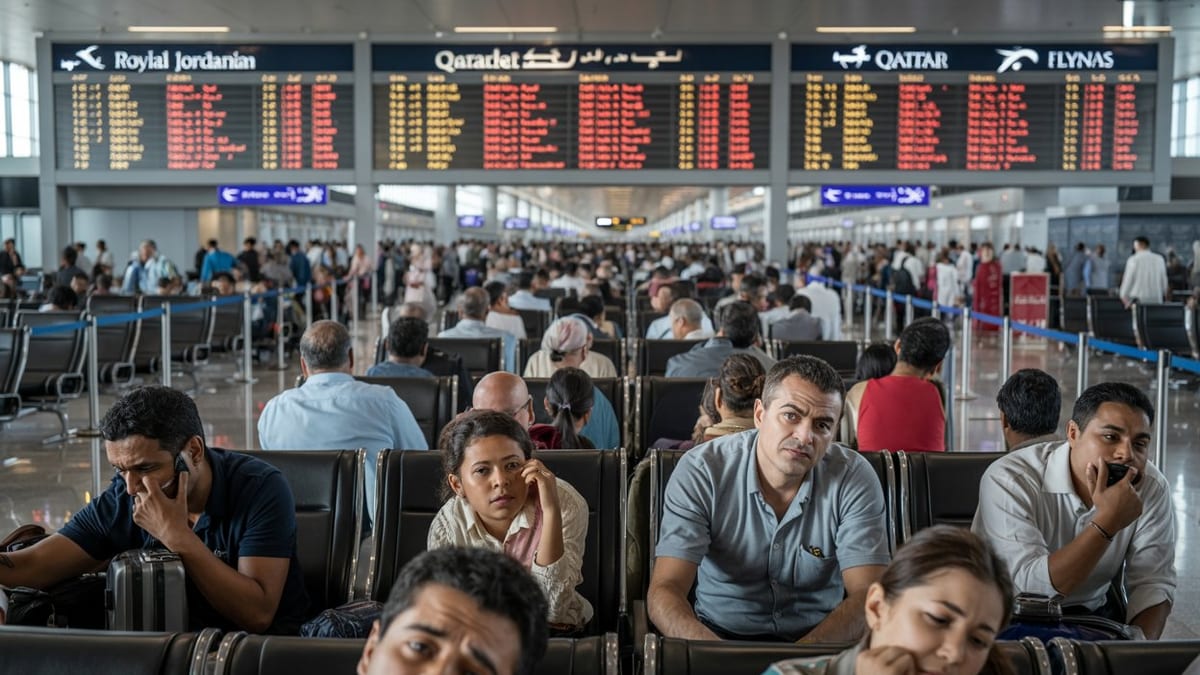
Heavy Day of Disruptions at the World’s Busiest Hub
Publicly available flight-tracking boards and airline status tools on June 9 indicated an elevated number of late departures and arrivals at Hartsfield-Jackson Atlanta, with roughly 188 flights delayed and at least four canceled across multiple carriers. The figures represent a snapshot of same-day operations at the airport, which regularly handles more than 2,000 daily movements and serves as a primary connecting hub for domestic and long-haul traffic.
The bulk of the delays were concentrated among large network carriers and their regional partners. Delta, which maintains its largest hub in Atlanta, accounted for a significant share of schedule disruptions, while United, Southwest and American also reported late-running services into and out of the airport. Jazz, which operates regional services under the Air Canada Express brand, was among smaller carriers affected on cross-border routes linking Atlanta with Canada.
Although the Federal Aviation Administration’s real-time airport status page listed Atlanta as generally “on time” with only minor flow-management measures in place, the day’s operational picture on individual flights told a more challenging story. Gate holds, extended taxi times, and knock-on effects from earlier delays at other hubs contributed to the elevated numbers seen on departure and arrival boards.
The disruption followed a spring and early summer pattern in which Atlanta has periodically struggled with weather systems, tight aircraft rotations and heavy passenger loads. Recent monthly traffic reports from the airport show consistently high departure volumes alongside measurable levels of delayed and canceled operations, underscoring how even a modest increase in irregularities can affect hundreds of flights at such a large hub.
Domestic U.S. Network Bears the Brunt
Flights within the United States carried much of the impact as carriers worked to keep dense domestic schedules moving through Atlanta. Delta’s high-frequency shuttles to major cities such as Orlando, Denver and Albuquerque, along with scores of regional connections across the Southeast and Midwest, showed clusters of late departures and arrivals. Data from online trackers for specific flights indicated minor delays in some cases and extended pushback or taxi waits in others.
Southwest and American, which both operate competitive point-to-point routes into Atlanta, also saw schedule pressures. Late arrivals from their own hub cities compressed turnaround times and pushed some departures behind schedule. United’s services from key connecting airports likewise recorded delays, limiting options for travelers attempting to make onward connections further west or northeast.
For passengers, even relatively short delays of 30 to 60 minutes created a cascading effect across tight itineraries. Atlanta’s role as a primary connecting point meant that a missed link on a domestic leg could jeopardize an entire multi-city journey. Travelers with onward flights later in the day faced rebooking, standby lists or unexpected overnight stays if disruptions compounded over successive legs.
Airport infrastructure remained fully open, but the sheer volume of flights meant that minor operational challenges translated into measurable travel headaches. Crowding at gate areas, longer lines at concessions and increased demand for customer service desks were all visible signs that the day’s schedule was under strain.
International Links Affected Across Three Continents
Long-haul and transborder services from Atlanta to Canada, Europe, Latin America and Africa were not spared, with delayed departures noted on several key corridors. Connections involving Canada, including services operated in coordination with Jazz and its codeshare partners, showed schedule disruptions that fed into the broader North American network.
Across the Atlantic, flights touching Germany, the Netherlands and Italy experienced timing shifts as carriers adjusted for aircraft rotations and upstream congestion at European hubs. Recent days have seen intermittent pressure on transatlantic schedules, and Atlanta’s outbound flights to major European gateways were exposed to those ripple effects. Even when flights ultimately departed, revised boarding times and extended ground holds added uncertainty for passengers seeking to meet rail or regional flight connections upon arrival.
Routes to Japan and Colombia also featured among the delayed services, reflecting the global reach of Atlanta’s network. Long-haul departures require precise coordination of crews, aircraft readiness and inbound connections, and disruption at any point in that chain can lead to slippage in scheduled departure times. Mexico-bound flights, which combine leisure and business demand, registered a mix of modest and more significant delays that complicated same-day itineraries to resort destinations and secondary cities.
Travel links with Nigeria, typically operated via partner hubs and codeshare arrangements, were indirectly affected when connecting segments into Atlanta departed late or arrived behind schedule. In a global hub system where many African itineraries rely on tight transatlantic or East Coast connections, even localized timing issues at one airport can stretch total journey times by many hours.
Weather, Volume and Network Complexity Behind the Numbers
Operational data, together with recent traffic reports and weather observations, suggest that the day’s disruption resulted from a mix of high demand, seasonal storm patterns and the inherent complexity of modern airline networks. Even when official airport status tools classify conditions as generally on time, localized thunderstorms, runway configuration changes and temporary flow programs can slow movements enough to create pockets of delay.
Hartsfield-Jackson’s own planning documents and traffic statistics highlight the scale of what airlines attempt to manage each day. With hundreds of daily departures across 246 or more destinations and millions of passengers moving through its concourses each month, small schedule variances at one end of the network can quickly become misalignments at the other. Recovery can take several hours, especially when aircraft and crew are tightly scheduled.
Recent months have also seen strong rebound demand for both domestic and international travel, contributing to fuller flights and less slack in the system. When aircraft go out nearly full and with minimal spare seats on alternative services, the options for quickly rebooking disrupted passengers become more limited. This environment makes each cancellation or heavily delayed service more consequential than in years when load factors were lower.
Industry analysis of Atlanta and other major U.S. hubs has repeatedly emphasized how weather-related slowdowns, staffing constraints and maintenance requirements can converge on busy days. The result is often an operational picture that looks manageable on paper but still results in an elevated count of delayed and canceled flights once the day’s flying is complete.
What Travelers Can Expect and How to Navigate the Disruption
For travelers moving through Atlanta during periods of heightened disruption, the immediate impacts are visible in longer connection times, busier terminal spaces and shifting departure boards. Passengers booked on carriers most exposed to the day’s delays, particularly on complex multi-leg itineraries that span the United States, Canada, Europe, Latin America and Africa, may find that journey times extend significantly beyond what their original tickets indicated.
Public guidance from the airport and airlines continues to emphasize close monitoring of flight status via official apps and notification tools, particularly for those connecting to long-haul departures or last flights of the day. Same-day schedule changes, aircraft substitutions and gate reassignments are now routine features of managing a large hub under pressure, meaning that printed boarding passes and early-morning plans can quickly become out of date.
Travel planning resources and consumer advisories also point to the value of longer self-selected connection windows in peak seasons, especially when routing through airports like Atlanta that serve as primary gateways to multiple continents. Building in extra time for immigration, security re-screening and terminal transfers can reduce the risk that a modest delay on one sector forces a wholesale rebooking of the rest of the journey.
As the busy summer travel period continues, Hartsfield-Jackson Atlanta International Airport remains a critical link in the global aviation system. While most flights still operate close to schedule on an average day, the 188 delays and several cancellations recorded on June 9 illustrate how quickly conditions can shift at the world’s busiest hub, and how widely those shifts can be felt across networks reaching from the United States to Canada, Europe, Asia, Latin America and Africa.