


More news on this day
A fatal collision involving a pedestrian and a train near the Attleboro, Massachusetts rail station has prompted an intensive emergency response and renewed attention to safety along one of the region’s key commuter corridors.
Get the latest news straight to your inbox!
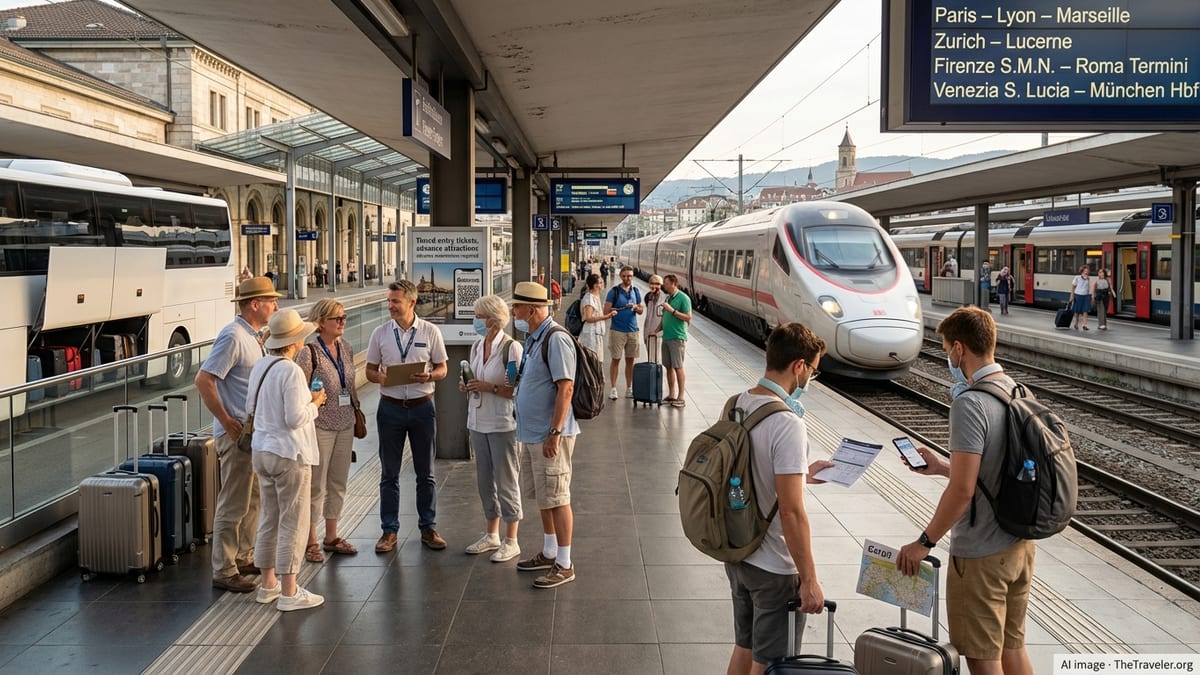
Emergency Response at a Major Commuter Gateway
Reports indicate that Attleboro Fire Department crews were dispatched to the rail line in the area of the downtown station after initial alerts of a person struck by a train. Publicly available information describes a multi-agency response that included fire personnel, emergency medical services and law enforcement converging on the tracks as service was halted in both directions.
Accounts from the scene describe fire apparatus and ambulances positioned near station access points while crews made their way to the rail right of way. The location, a heavily used commuter stop on routes connecting southeastern Massachusetts with Boston and Providence, complicated access, as responders navigated narrow service roads and trackside ballast to reach the incident area.
Initial efforts focused on locating the pedestrian and assessing the situation around the stopped train. In train-versus-pedestrian incidents, fire personnel typically coordinate with rail dispatchers before entering the track area so that power to overhead or third-rail systems is confirmed off and additional traffic is halted. That type of coordination appears to have taken place here, with rail operations paused for an extended period while the scene was secured.
Although detailed timelines have not been made public, available coverage indicates that trains remained held in the vicinity while the fire department and other responders worked through standard fatality procedures, including scene documentation and recovery efforts.
Impact on Commuter and Regional Travel
The incident created significant disruption for travelers using Attleboro as both a park-and-ride location and an intermediate stop on intercity and commuter routes. Rail passengers described trains halted outside the station and on adjoining segments, with announcements referencing emergency activity near the tracks.
Similar events elsewhere on regional rail networks have caused cascading delays as dispatchers reroute or stage equipment until responders clear the scene. When one train is immobilized by a track closure, others can be forced to wait at previous stations or sidings, affecting both inbound and outbound travel during peak or shoulder periods.
In Attleboro, publicly available information suggests that substitute transportation was limited, leaving many riders waiting onboard trains while the response continued. The station’s role as a transfer point for local buses and access to nearby highways added to congestion in the surrounding downtown, as arriving vehicles met passengers trying to arrange alternate rides.
Travel analysts note that incidents of this kind can have lingering effects even after the tracks reopen. Equipment displaced from its normal rotation may remain out of position for the rest of the operating day, leading to shorter train sets, crowding, or schedule adjustments across the wider network.
Attleboro’s History With High-Risk Rail Infrastructure
Attleboro occupies a notable position in the regional rail system, with multiple tracks, complex switching and frequent intercity and commuter movements through a compact downtown. The configuration has long been identified by transportation observers as an area that requires careful management of pedestrian and vehicle access near the right of way.
Local discussion in recent years has highlighted recurring concerns about people crossing tracks outside of designated areas or standing close to the edge of platforms as high-speed trains pass through. Online commentary has pointed to near-miss situations and the difficulty of ensuring that riders, especially during busy events or crowded rush hours, remain in safe zones while waiting.
City planning documents and regional transit studies have referenced the importance of grade separation, fencing and clearly marked pedestrian pathways in communities like Attleboro, where the rail line runs directly through downtown. Improvements at nearby stations, including work on overpasses and accessibility, have underscored the challenge of balancing convenient access with strict separation from active tracks.
The latest fatal crash is likely to intensify scrutiny of pedestrian behavior and physical barriers around the station. Safety advocates often emphasize that even brief shortcuts across tracks or standing within the foul of the rail can be deadly, given the speed and stopping distance of modern passenger trains.
Rail Safety Emphasis for Local Residents and Visitors
For travelers, the incident serves as a stark reminder of the risks present anywhere trains operate, particularly in busy hubs where frequent service can create a sense of routine. Rail safety campaigns consistently stress that trains may appear quieter or farther away than they are, and that they cannot swerve or stop quickly to avoid a person on the tracks.
In communities with significant commuter traffic such as Attleboro, residents and visitors are encouraged to use only marked crossings, obey signals at gates and avoid walking along the right of way. Even when a train has just passed, a second train can approach on an adjacent track with little warning, and curves or built-up areas can limit visibility until the last moment.
For travelers unfamiliar with the area, the downtown station’s mix of local streets, parking areas and track crossings can be confusing. Wayfinding signs, audible announcements and station staff, where present, provide guidance on where it is safe to cross and where passengers should wait. Public transportation agencies and local partners frequently distribute safety information through station posters and seasonal awareness campaigns aimed at commuters, students and event-goers.
As Attleboro absorbs the impact of this latest loss of life, observers expect renewed discussion of educational efforts, enforcement of trespassing rules along the tracks and potential infrastructure upgrades designed to reduce the possibility of future pedestrian fatalities near the city’s rail lines.