


More news on this day
Austria is accelerating a wave of crowd-control measures at some of its most photographed destinations, tightening bus limits, reorganising traffic and rethinking how many day-trippers its postcard villages and alpine resorts can realistically absorb.
Get the latest news straight to your inbox!
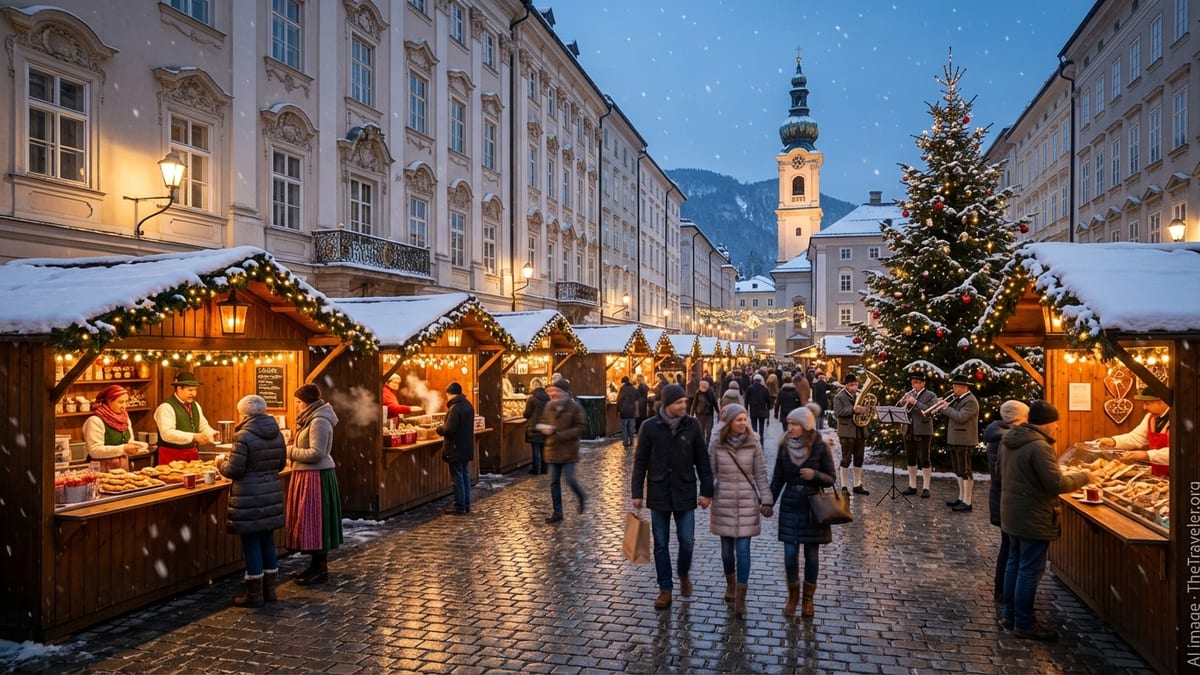
Hallstatt Becomes a Test Case for Overtourism Controls
Few places illustrate Austria’s overtourism dilemma as sharply as Hallstatt, the lakeside village long promoted as a storybook Alpine escape. With only a few hundred residents but thousands of day visitors at peak times, the town has struggled for years with traffic jams, clogged pavements and noise in its compact historic core.
In recent seasons, local authorities have moved from ad hoc fixes toward a formal visitor-management regime. Publicly available information shows that Hallstatt operates strict time-slot systems for tour buses, limiting how many can enter and how long they may stay, in an effort to flatten daily peaks and prevent sudden waves of passengers spilling into the centre at once.
Parking rules and pricing have also become sharper tools. Updated guidance for tour operators highlights higher bus parking fees from 2026 and specified layover times, signalling a clear intention to discourage ultra-short, high-impact stops that add to congestion without bringing much local spending.
These changes follow years of experimentation ranging from temporary selfie barriers at the village’s famous lake-view lookout to partial road closures and protests, which drew international attention to the strain mass tourism can place on small communities.
From Ad Hoc Fixes to Structured Visitor Management
Behind the scenes, Hallstatt and neighbouring Salzkammergut communities are now engaged in a multi-year effort to formalise crowd management. Regional planning documents describe a coordinated project on “visitor steering and regulation,” running through 2026 and involving surrounding municipalities, the local tourism board and transport operators.
The emerging model links limits on coaches and private vehicles with a broader mobility concept that includes regional bus lines and the local funicular. The aim is to shift more arrivals onto public transport, spread demand across the day and season, and keep the narrow village streets from functioning as a permanent queue.
Digital tools are starting to play a larger role. Pilot projects focus on monitoring visitor flows in real time and using that data to adjust access, parking and guidance. Published research on crowd detection and overtourism mitigation is increasingly informing how destinations such as Hallstatt think about “smart” caps that respond dynamically to actual pressure on streets and services.
The Hallstatt blueprint is drawing interest from other Alpine villages facing similar pressures, with planners watching how far access controls can go before undermining the freedom of movement many visitors expect in a Schengen-zone country.
A National Shift Toward Sustainable Tourism Capacity
While the most visible friction points are local, Austria’s policy response is becoming more coordinated at the national level. The country’s tourism master plan, known as “Plan T,” and subsequent action plans emphasise sustainable growth, better data on visitor flows and a stronger focus on residents’ quality of life alongside economic benefits.
Recent updates highlighted by European and OECD tourism reports underline a pivot toward measuring and managing carrying capacity, particularly in municipalities with very high overnight volumes. National tourism strategies encourage regions to diversify their offerings, promote lesser-known destinations and smooth out seasonal spikes that overwhelm infrastructure.
Surveys compiled in international policy reviews suggest that a large majority of residents still view tourism as vital to Austria’s economy, but concern is rising where housing, traffic and local services are under stress. That has increased political room for tougher regulation of short-stay traffic, coach parking, and other forms of high-intensity visitation.
At the same time, Austria’s investments in public transport, including its nationwide rail and bus pass, are becoming part of the tourism story. Cheaper, more integrated mobility is intended both to reduce car dependence and to make it easier to direct visitors toward regions that have spare capacity.
Cities and Regions Experiment With New Rules
Beyond Hallstatt, a patchwork of regional and city-level measures is starting to change the visitor experience. Alpine provinces debate how to balance booming winter and summer tourism with the needs of residents, particularly in valleys where traffic and second homes are reshaping daily life.
In major cities, regulations for tour coaches, guided groups and short-term stays are under review. Municipal rules for passenger transport and commercial driving are being updated to respond to congestion in historic centres, while tourism offices promote longer stays and encourage exploration beyond the busiest districts.
Some resort areas are trialling mobility concepts that link visitor cards to local buses and lifts, rewarding guests who arrive without a private car and nudging traffic away from hot spots at peak hours. Regional press coverage points to a growing willingness to cap or redirect specific types of tourism, such as cruise day-trips or tightly timed bus excursions.
What unites these efforts is an emerging consensus that unmanaged growth is no longer an option. From crowd-control barriers to booking systems for parking and attractions, Austria’s most visited places are steadily adding friction to what used to be frictionless sightseeing.
What Travelers Should Expect Under the New Regime
For visitors, Austria’s evolving rules will be most visible in the planning phase. Day-trippers arriving by bus are increasingly subject to fixed time slots, higher parking fees and, in some cases, strict limits on how many group vehicles can enter a village or resort each day.
Independent travelers may notice more guidance to use regional trains and buses, as well as clearer signposting to alternative viewpoints, hiking routes and nearby towns that can absorb extra demand. Booking ahead for popular attractions, especially in small communities, is likely to become less of a suggestion and more of a requirement in peak months.
Tour operators, particularly those offering “Europe in a day” itineraries, are being pushed to adapt. Short, high-volume stopovers that once delivered busloads of people to a single selfie spot are increasingly out of step with the new regulatory mood, which prioritises longer, lower-impact stays and a closer connection with local services.
For now, Austria’s strategy stops short of imposing national tourist taxes or blanket caps. Instead, it is relying on a mix of local limits, re-priced access and smarter mobility to tame chaotic crowds. How well that experiment works in Hallstatt and other pressure points will shape not only the country’s tourism model, but also the expectations of everyone who comes to experience its lakes and mountains in the years ahead.