


More news on this day
Authorities in Spain have opened an investigation into allegations that a crew member aboard the Disney Dream cruise ship was poisoned after ingesting liquid from a water bottle that reportedly contained an unknown substance during a recent call in the port city of Vigo.
Get the latest news straight to your inbox!
Incident Reported During Call in Vigo
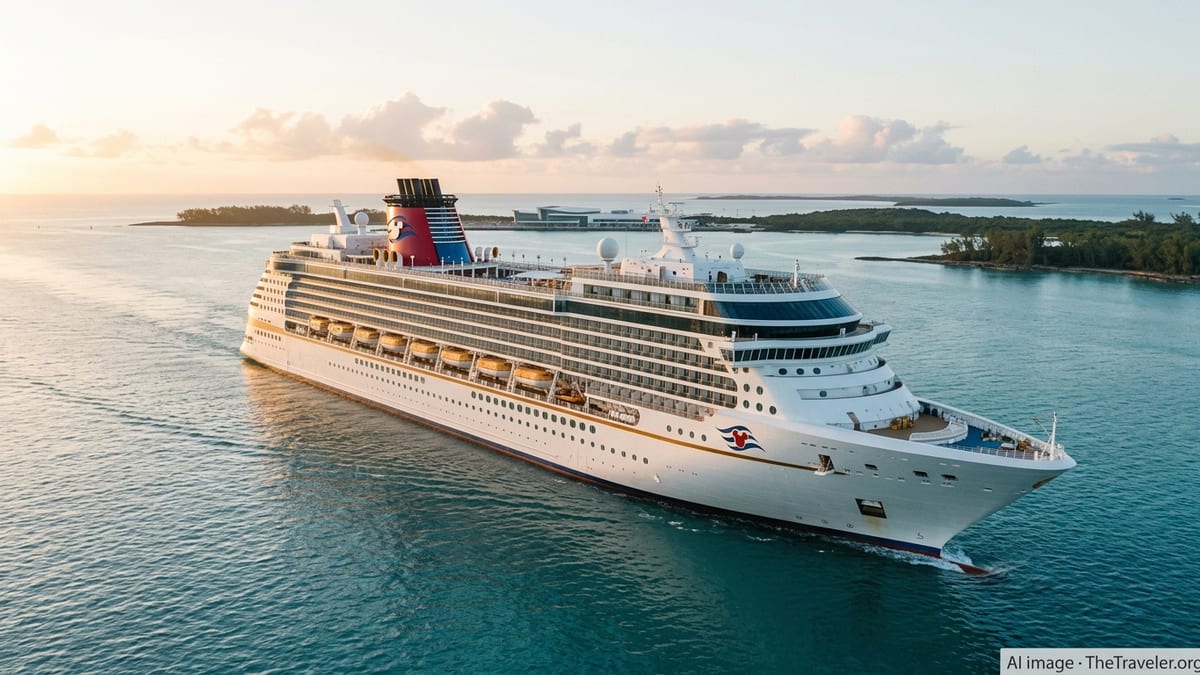
Published coverage indicates that the incident occurred while the Bahamas-flagged Disney Dream was docked in Vigo, a key Atlantic gateway in northwestern Spain often included on European cruise itineraries. A female crew member reportedly felt unwell after drinking from her personal water bottle and later raised concerns that the liquid had been tampered with.
According to local media accounts, the crew member sought medical assistance on board after experiencing symptoms following the alleged ingestion. Shipboard medical teams on large cruise vessels such as the Disney Dream are typically equipped to provide initial assessment and treatment, with serious or uncertain cases referred to onshore facilities if needed.
Reports from Spain describe the incident as a suspected internal dispute between colleagues rather than an attack involving passengers. Early information suggests that attention quickly focused on another crew member who was believed to have had access to the bottle, prompting a formal complaint and the involvement of local law enforcement.
While no official charging documents have been made public, regional news outlets in Galicia describe the matter as an alleged poisoning attempt that is now the subject of an active police inquiry. The specific substance involved, if any, has not yet been publicly identified.
Police Inquiry and Forensic Tests Under Way
Local reporting from Vigo indicates that Spanish National Police are gathering evidence related to the water bottle and any remaining liquid, with toxicology and forensic testing expected to play a central role. In similar maritime investigations, authorities typically analyze containers, review surveillance footage where available, and interview potential witnesses and involved parties.
Publicly available information suggests that statements have been taken from the affected crew member and from colleagues who may have observed events before and after the alleged poisoning. Investigators are also expected to review the working relationship between the individuals named in the complaint, looking for any previous disputes or disciplinary issues that might shed light on motive.
Media accounts in Spain note that, at this stage, the case is being treated as an allegation rather than a confirmed criminal act. The ultimate classification, ranging from workplace misconduct to a serious criminal offense, will depend on laboratory findings, medical reports, and any corroborating evidence uncovered during the inquiry.
Regional legal analysts quoted in local coverage emphasize that suspected poisoning cases can take time to resolve, given the need for careful chain-of-custody protocols and cross-checking of medical data. The fact that the alleged incident occurred on an international cruise vessel adds an additional layer of administrative complexity.
Disney Dream’s Itinerary and Crew Environment
The Disney Dream, part of the Disney Cruise Line fleet, regularly carries thousands of passengers and crew on itineraries that include Atlantic and European ports. Crew members live and work in close quarters, often sharing cabins and common spaces for extended contracts that can last many months at sea.
Specialist publications covering the cruise sector note that interpersonal tensions can occasionally escalate on board, as crews contend with long hours, rotating shifts, and the pressures of delivering a premium guest experience. Cruise lines commonly maintain internal protocols for addressing disputes and safeguarding staff, but alleged criminal conduct falls under the jurisdiction of port-state authorities once a ship docks.
Publicly available corporate documents from cruise operators highlight general procedures for documenting on-board incidents involving crew, including the use of internal forms, witness statements, and medical assessments. These records may become important in external investigations, as they can help reconstruct timelines and clarify who had access to specific spaces or personal items.
Industry observers point out that such cases, while rare relative to the overall number of crew interactions, draw significant attention when they involve household-name brands and large family-oriented ships. The Disney Dream, known for its themed entertainment and family focus, has previously appeared in news reports concerning separate legal matters involving crew members, underscoring how isolated incidents can attract outsized scrutiny.
Regulatory Context for Crimes at Sea
The alleged poisoning in Vigo unfolds against a broader backdrop of ongoing debate over how on-board incidents are handled on international cruise ships. Because vessels often sail under foreign flags and visit multiple jurisdictions on a single voyage, questions can arise about which authorities take the lead in investigating potential crimes.
In port calls such as Vigo, local police and judicial bodies generally handle events that are reported while a ship is docked. When an incident is believed to have occurred on the high seas, the flag state of the vessel and, in some cases, the nationalities of the individuals involved may become relevant. This framework can influence everything from initial response to where any future court proceedings might take place.
Legal commentators who track maritime cases point out that allegations involving poisoning or deliberate contamination of food and drink on ships are particularly sensitive, given the implications for both crew welfare and public confidence. Even when limited to disputes between colleagues, such incidents can fuel calls for more transparent reporting standards and stronger safeguards for workers on board.
Advocacy groups focused on crew rights and passenger safety have long argued that better data collection and consistent disclosure practices would help authorities, cruise companies, and travelers understand the scale and nature of serious incidents at sea. While the Vigo case is still in its early stages, it is likely to be cited in future discussions about how alleged crimes involving crew members are documented and communicated.
Potential Impact on Cruise Safety Perceptions
For travelers, the investigation into the suspected poisoning on the Disney Dream may prompt renewed attention to how major cruise lines manage health and security issues behind the scenes. Travel advisors and analysts often note that perception plays a significant role in vacation planning, particularly for families choosing between land-based resorts and cruise vacations.
Available data from industry bodies portray serious crimes and violent incidents on large cruise ships as relatively uncommon when compared with the millions of passenger nights logged each year. However, isolated high-profile allegations can influence public sentiment, especially when they involve well-known brands associated with family entertainment.
Cruise consultants interviewed in prior coverage of unrelated incidents have emphasized that travelers increasingly ask detailed questions about on-board medical capabilities, security protocols, and staff training before booking. Investigations like the one unfolding in Vigo may accelerate those conversations, with potential guests seeking reassurance that both crew and passengers are protected in the event of suspected wrongdoing.
As Spanish authorities continue to examine the circumstances surrounding the Disney Dream crew member’s complaint, the case is likely to be followed closely not only in Galicia but across the wider cruise and travel sectors. The eventual findings, whether they point to criminal conduct or a lesser workplace dispute, may shape how companies and regulators communicate about safety, accountability, and the realities of life and work at sea.