


More news on this day
Barcelona is moving ahead with plans to sharply increase the tax levied on cruise passengers, with a proposed rise of around 173 percent that would take the charge to about €30, or roughly $34, per person for short stopovers in the Catalan capital.
Get the latest news straight to your inbox!
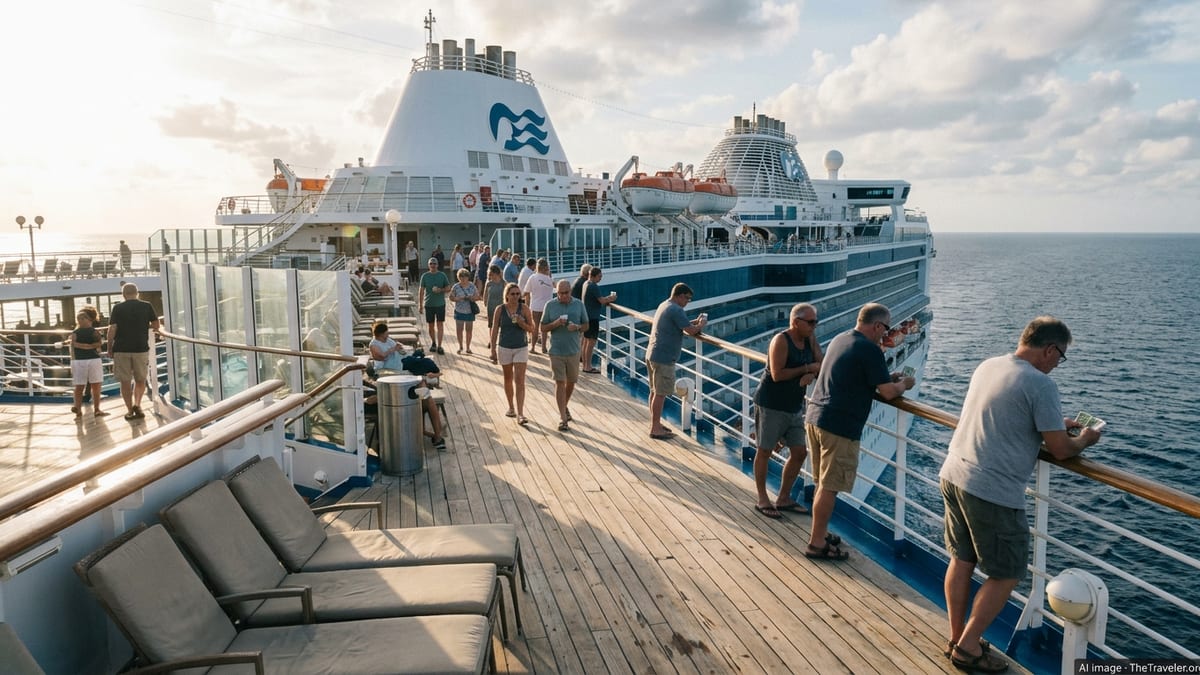
Sharp Increase Targets Short Cruise Stopovers
According to recently published regional budget measures and local press coverage, the new figure would apply to cruise passengers who spend fewer than 12 hours in Barcelona. This segment is considered the most problematic from an urban management perspective, because thousands of visitors can arrive at once, crowd central areas and then depart without using local accommodation.
Under the proposal, the tax on these short calls would climb from an existing total of around €11 per passenger to approximately €30. That represents an increase of close to 173 percent and would place Barcelona among the highest charging cruise destinations in Europe for day visitors. The change builds on previous increments to the Catalan tourist tax and an additional municipal surcharge already in force for overnight stays and longer port calls.
Reports indicate that the measure is being advanced through an amendment to the Catalan government’s budget accompanying law, negotiated between parties that share a goal of reducing the impact of mass tourism. Once fully implemented, operators calling at the city for brief stopovers would be required to pass the higher charge on to each passenger who disembarks.
For cruise itineraries that either start or end in Barcelona, and for ships staying longer than 12 hours, the combined regional and local tax would remain lower than the proposed maximum, though still above most standard hotel and apartment rates in Catalonia. The focus of the new hike is squarely on what local policy documents describe as high-intensity, low-return visits.
Overtourism, Crowding and the Cost of City Services
The planned tax rise comes against the backdrop of intense debate over overtourism in Barcelona, where visitor numbers have rebounded strongly since the pandemic. Publicly available city tourism strategies state that cruise traffic concentrates large volumes of people into a compact waterfront and historic core, producing crowding on key streets, transit lines and at signature attractions.
Municipal reports on tourism management note that revenue from existing visitor taxes does not fully cover the cost of services such as cleaning, security, public transport and maintenance associated with high visitor footfall. The proposed increase is framed by supporters as a way to narrow this gap by asking short-stay cruise visitors, who do not contribute through local accommodation spending, to pay a higher share.
City planning documents and academic research on maritime emissions also highlight the environmental footprint of cruise calls, particularly air pollution and noise near the port and adjacent neighborhoods. The new tax is being presented in local coverage as one of several instruments designed to manage demand and support longer, higher-value visits rather than quick stops that place strain on infrastructure.
Officials at regional and municipal level have previously outlined strategies to reduce overall cruise capacity by consolidating terminals and limiting the most intensive traffic. The fiscal change now under discussion aligns with those long term objectives by making short port calls relatively less attractive in both economic and operational terms.
Economic Stakes for the Cruise Industry and Local Businesses
Barcelona remains one of Europe’s leading cruise hubs, handling millions of passengers a year in pre pandemic periods and serving as both a home port and a popular stop on Western Mediterranean routes. Industry studies cited in local media estimate that cruise travelers spend significantly more per day than the average non cruise visitor, especially when embarking or disembarking at the start or end of a voyage.
Cruise operators and some business groups have warned in past debates that higher taxes could make the city less competitive compared with rival ports in Spain, France and Italy. They argue that additional per passenger costs may encourage lines to shorten calls, switch to alternative ports or reduce capacity, with knock on effects for local suppliers, guides and hospitality venues that rely on cruise traffic.
On the other hand, tourism economists and neighborhood groups quoted in regional coverage have maintained that cruise passengers also generate hidden costs. These include congestion in central districts, pressure on public spaces and increased demand on transport and sanitation systems that are not fully reflected in ticket prices or standard tourism spending indicators.
The scale of the proposed rise suggests that policymakers are prepared to accept a measured reduction in short stopover traffic in exchange for what they see as a better balance between economic benefits and quality of life for residents. Whether the final tax level will significantly alter cruise line deployment decisions remains a key question for the coming seasons.
How the New Rate Would Work in Practice
Barcelona’s cruise levy is built on the broader Catalan tax on stays in tourist establishments, which already applies to hotels, tourist apartments, hostels and other accommodation across the region. In the case of cruise ships, port calls are treated similarly to overnight stays, with a per person charge that varies depending on the length of stay and location.
Existing schedules published by the Catalan Tax Agency show that cruise calls of more than 12 hours in Barcelona currently attract a lower per passenger rate than the one planned for short visits, and that the city adds its own municipal surcharge on top of the regional amount. The combined figure for short calls presently stands close to €11 per person after recent adjustments.
The new measure would modify the maximum applicable amount for stays of under 12 hours, lifting the combined tax up to around €30 per passenger. Industry commentary notes that this is roughly equivalent to the price of a mid range restaurant meal or entry to a major attraction, and that for families or large groups the added cost could become a noticeable line item in the overall cruise budget.
Collections are typically handled by cruise operators and tour companies, which include the tax in passenger charges and settle the amounts periodically with the Catalan authorities. Public information from earlier changes to the tourist tax suggests that implementation periods and transitional rules may apply, although the detailed calendar for this latest increase has not yet been fully specified in available documents.
Part of a Wider European Push on Cruise Tourism
Barcelona’s move fits into a broader European trend in which port cities are rethinking the balance between cruise tourism and urban livability. Other destinations, including Amsterdam and some Nordic ports, have introduced higher levies or numerical limits on calls in recent years, often citing environmental and social impacts similar to those now under discussion in Catalonia.
Comparative studies of tourist taxes indicate that while nightly charges on hotel stays are widespread across Europe, specific levies on cruise passengers are becoming more common only in high pressure ports. Policymakers in those cities frequently describe these measures as tools to steer demand toward longer, higher spending visits that contribute more to the local economy and less to congestion.
As Barcelona pursues its previously announced plans to consolidate cruise terminals and reduce overall capacity at the port over the coming decade, the proposed tax hike is likely to be watched closely by other Mediterranean destinations. Any sustained shift in itineraries or passenger volumes could have ripple effects along popular cruising circuits that link Spain, France, Italy and the Western Mediterranean islands.
For now, the €30 figure for short stopovers signals a clear policy direction. The city and regional authorities are using fiscal levers to reshape how cruise tourism fits into Barcelona’s long term urban and environmental strategy, even at the risk of cooling one of its most visible visitor markets.