


More news on this day
American travelers overseas are rushing to alter plans and leave sensitive regions after a new worldwide security warning linked to the escalating war between the United States and Iran urged citizens to exercise increased caution across the globe.
Get the latest news straight to your inbox!
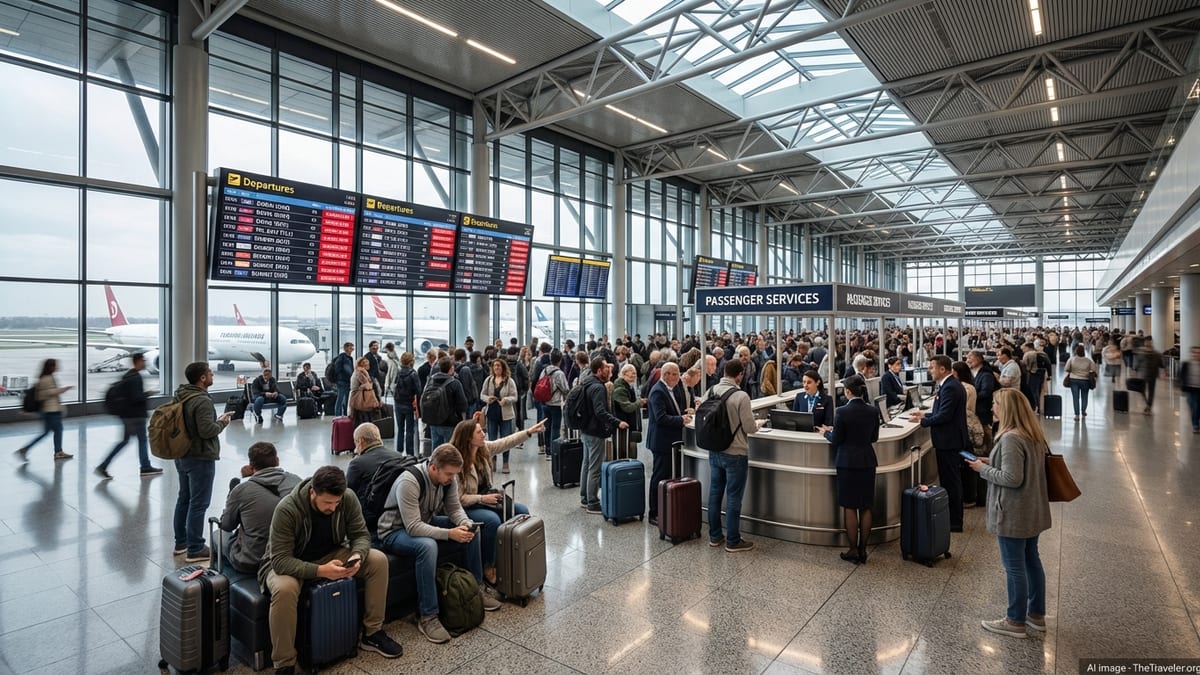
Worldwide Caution Sparks Immediate Itinerary Changes
The latest State Department worldwide caution, updated on July 20, 2026, advises Americans everywhere to heighten vigilance, citing the risk that Iran and groups aligned with it could target locations associated with the United States or U.S. citizens. While such global alerts have been issued in past crises, travel analysts observe that the combination of an active interstate war and already elevated regional advisories is driving an unusually rapid response among leisure and business travelers.
Reports from major travel agencies and aviation trackers indicate a spike in last-minute rebookings and cancellations involving routes through the Persian Gulf and wider Middle East. Many Americans who had scheduled summer trips that connected through hubs such as Doha, Dubai, Abu Dhabi, and Bahrain are opting for European or Mediterranean connections instead, even at higher fares and with longer travel times.
Publicly available booking data shows that some U.S. and European carriers had already reduced frequencies into the region after hostilities with Iran intensified in late February, limiting options for travelers trying to leave quickly. The new worldwide warning is now pushing more Americans to secure whatever seats remain on westbound flights, often within hours of receiving updates from airlines or travel advisors.
Evacuation Efforts and “Depart Now” Messages Reshape Travel Flows
In the months leading up to the latest alert, U.S. guidance for citizens in the Middle East had steadily hardened. Travel advisories for Iran, Iraq, Lebanon, Syria, Yemen, and Gaza remain at the highest “Do not travel” level, while Bahrain, Qatar, Saudi Arabia, Oman, Kuwait, the United Arab Emirates, Israel, and the West Bank are designated “Reconsider travel” due to risks tied to the Iran conflict and potential missile and drone attacks.
In March, the U.S. government began organizing charter and military-linked flights for citizens who chose to depart Saudi Arabia, Jordan, the United Arab Emirates, and neighboring states as airspace closures and retaliatory strikes disrupted commercial traffic. Coverage in outlets such as Axios and Condé Nast Traveler described thousands of calls to consular hotlines from Americans seeking assistance and an advisory urging U.S. citizens to “depart now” from more than a dozen Middle Eastern countries as the conflict widened.
Those earlier departure campaigns reshaped travel patterns well before the July worldwide caution. Airports in Qatar, Dubai, Abu Dhabi, and Bahrain experienced temporary shutdowns or reduced operations following Iranian strikes, stranding travelers and generating a wave of onward rebookings through Europe and Africa once flights resumed. Many U.S. citizens who eventually reached safer destinations have since shortened their trips or canceled onward regional segments in response to the evolving security picture.
Ripple Effects Reach Europe and Asia Transit Hubs
Although the most direct security concerns are centered on the Gulf and surrounding conflict zones, the new warning is influencing American travelers across Europe, North Africa, and parts of Asia. Online forums and social media posts suggest that some U.S. visitors in destinations far from active hostilities are reconsidering overnight layovers at Middle Eastern hubs and, in some cases, avoiding hotels or venues that are prominently associated with American brands.
European aviation regulators have also adjusted their guidance. The European Union Aviation Safety Agency recently replaced a broad conflict-zone bulletin for the Middle East with more targeted notices highlighting continued high risks in the airspace over Iran, Iraq, and Lebanon. Airlines that still overfly or serve the region are rerouting certain corridors, adding time and cost to long-haul trips between Europe and Asia, which in turn affects itineraries for Americans who had planned to transit through those gateways.
Travel industry monitoring reports compiled in March showed that several major carriers, including airlines based in the Gulf, temporarily suspended or reduced flights as airspace closures and missile activity intensified. Some of those schedules have only partially recovered, leaving fewer options and higher prices for Americans now trying to move away from perceived hotspots after the latest alert.
Heightened Risk Perception Extends Beyond Official No-Go Zones
The formal U.S. advisory for Iran has been at “Do not travel” since late 2025, warning of risks including terrorism, civil unrest, kidnapping, and the arbitrary detention of U.S. nationals. That longstanding guidance already kept most American tourists out of the country. The new worldwide caution, however, is affecting travelers who are far from Iran itself, prompting broader questions about where it feels safe to vacation or conduct business while a major interstate conflict is underway.
Commentary in mainstream and niche media reflects a growing unease among Americans abroad, even in countries with no direct involvement in the war. Public discussions highlight concerns that high-profile U.S. sites, diplomatic facilities, and locations closely associated with American culture might draw unwanted attention if Iran-linked actors seek symbolic targets.
For many individual travelers, decisions now hinge less on the precise wording of advisories than on personal risk tolerance and flexibility. Some are choosing to continue with trips to destinations that remain relatively calm but are adjusting behavior, such as avoiding large gatherings or iconic landmarks during peak hours. Others are abandoning months of planning to avoid any transit through regions described in public guidance as carrying elevated risk.
Travel Industry Adapts to Surging Demand for Safer Routes
As warnings escalate, travel providers are racing to keep up with shifting demand. Agencies report higher interest in itineraries that rely on North American or Western European hubs, even when these involve multiple connections. Industry observers note increased bookings to destinations perceived as stable, such as parts of Western Europe, Latin America, and the Pacific, as travelers look to reallocate vacations that had originally included the Gulf or broader Middle East.
Airlines and tour operators are revising policies to accommodate rapid changes, extending fee waivers for rerouting away from certain hubs and offering credits for unused regional segments in affected areas. At the same time, some carriers are tightening change rules on routes with limited capacity, reflecting the strain on networks that are still contending with conflict-related airspace restrictions.
Publicly available guidance continues to stress basic precautions for Americans choosing to travel: enrolling in government information services, monitoring local media and official advisories, having contingency funds for emergency rerouting, and maintaining situational awareness around hotels, transport hubs, and popular attractions. With the Iran war showing few signs of ending quickly, industry analysts anticipate that U.S. travelers will keep favoring flexible bookings and alternative routings as they navigate an increasingly complex global security environment.