


The Stockholm archipelago stretches from Stockholm’s Old Town far out into the Baltic, with more than 30,000 islands and skerries scattered like stepping stones along the coast. Choosing how to explore it can be overwhelming. From classic sightseeing cruises and hop on ferries to full-day island escapes and multi-day adventures, this guide breaks down the best Stockholm archipelago tours, ferry passes and island trips you can book today, with concrete examples and current practical details.
Get the latest updates straight to your inbox!
Understanding Your Options: Tours vs Ferries vs Passes
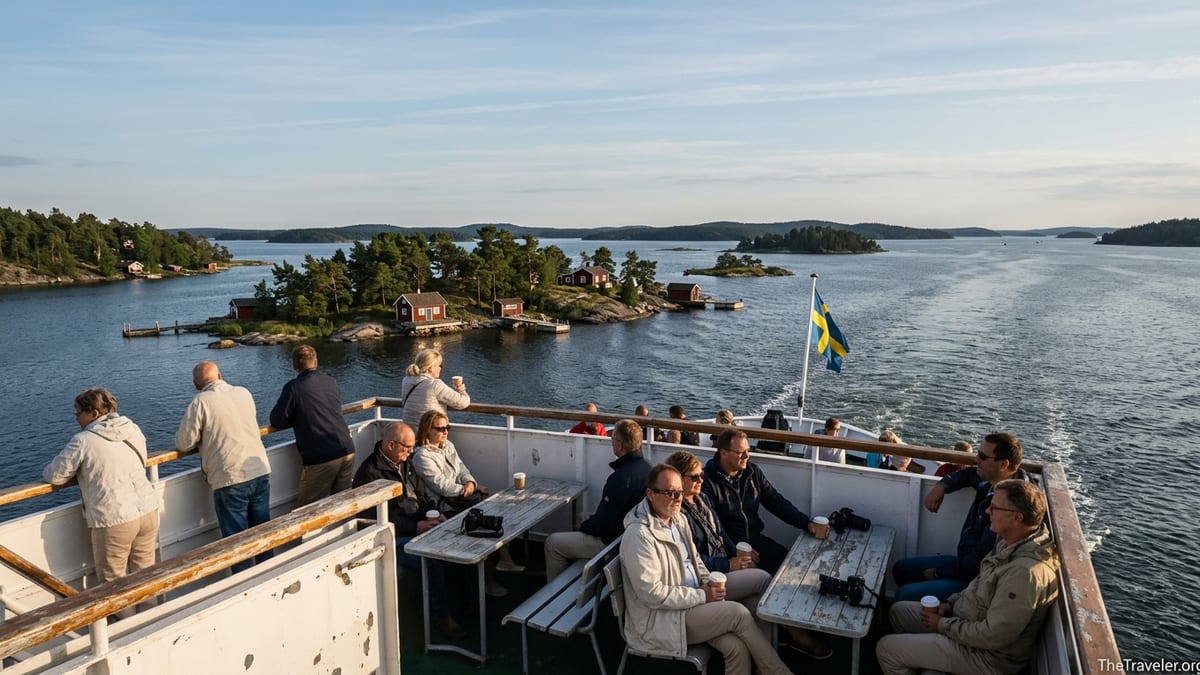
Before booking anything, it helps to understand that the Stockholm archipelago is served by two very different types of boats. On one hand are sightseeing and excursion cruises run by private companies such as Strömma and Red Sightseeing. These are designed for visitors and usually include commentary, reserved seating and often food. On the other hand are public ferries run primarily by Waxholmsbolaget, which function like buses and are used daily by island residents as well as tourists. Both will take you through stunning island scenery, but the experience and price structure differ.
Sightseeing tours are the easiest option if it is your first time in Stockholm, or if you only have a few hours. For example, Strömma’s Archipelago Tour with Guide typically runs 2 to 3 hours, includes live commentary in English and Swedish, and cruises through the inner archipelago on a classic white ship with indoor salons and open decks. Tickets are usually in the region of a few hundred Swedish kronor for adults, with children at a discount, and can be reserved in advance for specific departure times from central quays near the Grand Hotel and the Royal Palace.
By contrast, Waxholmsbolaget ferries operate like scheduled public transport across hundreds of islands. You pay per journey or with a travelcard, step aboard with commuters carrying shopping bags or bicycles, and disembark at small jetties with a simple shelter and wooden pier. There is no commentary and seats are unassigned, but the views are just as beautiful and you can reach far more remote places like Möja or Utö. For budget-conscious travelers or those who like flexible island-hopping, learning how these ferries and passes work is the key to unlocking the archipelago.
Finally, a growing number of operators now offer multi-day trips such as guided kayaking expeditions or sailing holidays between outer islands. These cost more but bundle transport, guiding and often meals and simple accommodation. If you want to wake up to the sound of waves on a quiet skerry or paddle between pine-fringed bays far from day-trippers, these trips can be uniquely rewarding.
Top Classic Boat Tours: Easy Archipelago Highlights
If you want a straightforward way to see the islands without thinking about timetables, a classic archipelago sightseeing cruise is still the best starting point. Strömma’s Archipelago Tour with Guide is one of the most established options. Boats depart from central Stockholm, sail past forested islets and red wooden cottages, and weave through narrow channels while a live guide explains local history, nature and island life. You can usually choose between a shorter version of around two hours and a slightly longer version closer to three hours, with small differences in price and route.
On board you will typically find a cafeteria or small restaurant serving simple Swedish dishes such as shrimp sandwiches, meatballs with mashed potatoes, or an archipelago buffet on longer departures. Many passengers choose to sit outside on the upper deck as the boat glides past rocky skerries and classic summer houses. On cooler days, the wooden interior salons with large picture windows and white tablecloths feel cozy, and blankets are often available on deck so you can still enjoy the fresh sea air.
Other companies run similar inner-archipelago cruises of roughly 2 to 3 hours, sometimes marketed as “Stockholm Archipelago Boat Tour” or “City & Archipelago Cruise.” Prices are generally in the same range, often just under or around the equivalent of 30 to 50 US dollars for adults depending on the season and inclusions. These tours focus on scenery and commentary rather than time on land, so they are ideal if you want a taste of the archipelago but prefer not to manage ferry schedules or hiking routes.
For something a bit longer but still manageable in a day, look for full-day archipelago excursions such as Strömma’s Grand Archipelago Tour to destinations like Gustavsberg or other coastal towns. These typically combine several hours at sea with a few hours ashore where you can visit local ceramics shops, small harbors and waterfront cafes before returning to Stockholm in the afternoon or early evening.
Best Island Day Trips: Vaxholm, Sandhamn, Utö and More
If you have a full day to spare, heading to one specific island is one of the most rewarding ways to experience the archipelago. Vaxholm is the classic first-timer’s choice. Located roughly an hour by boat from central Stockholm, it offers a postcard town with wooden villas, waterfront promenades and the historic Vaxholm Fortress on a small islet across the strait. Ferries operated by Waxholmsbolaget depart from central quays in Stockholm, and in many seasons selected departures between Stockholm and Vaxholm accept the regular SL transit card on board, making the trip surprisingly affordable for visitors who already hold a 24, 72 hour or weekly SL pass.
Sandhamn, farther out toward the open Baltic, offers a more windswept feel, with sandy beaches, pine forests and a buzzy sailing harbor. In summer, special “Cinderella” boats run from central Stockholm directly to Sandhamn, with journey times around two hours one way and pricing typically equivalent to a modest lunch or dinner in the city. Many visitors take a morning departure, wander the small village, hike across the island to the sea-facing dunes, enjoy a seafood lunch on a sunny terrace, and then return on a late afternoon or evening boat as the low sun glows over the water.
Utö, in the southern archipelago, is another strong candidate for a day trip. Boats usually leave from harbors such as Årsta Brygga, easily reached by bus from Stockholm, then connect to ferries that take you through narrow channels and past small islands. Once on Utö you can rent a bicycle to ride to old mine viewpoints, find sheltered swimming spots, and stop for cinnamon buns at a waterside bakery. In high season, some departures allow foot passengers with SL tickets to connect as far as the mainland pier, while the ferry leg itself is paid separately with regional rates set by the archipelago ferry company.
Travelers with more time can mix and match: for example, take a morning Waxholmsbolaget ferry to Vaxholm, spend a half-day there, then continue onward to a smaller nearby island such as Rindö or Grinda for a few hours of walking and swimming, before returning on an evening ferry. Because schedules vary across the season, it is important to check current departure and return times for each island before leaving Stockholm, and to make sure the last boat of the day fits your plans.
Ferry Passes and How to Use Waxholmsbolaget Boats
Waxholmsbolaget is the backbone of archipelago transport and is especially attractive for independent travelers. The company operates dozens of routes connecting Stockholm with islands such as Vaxholm, Grinda, Möja, Nämdö and many more. You can pay individual fares on board, which vary depending on distance and zones, or use specific travelcards that allow unlimited travel for a set number of days on most of their network.
Waxholmsbolaget’s own travelcards are typically available for 5 or 30 consecutive days and cover all their regular services, excluding certain high-speed or special routes. These passes are particularly useful if you plan to base yourself on an island guesthouse and make several boat trips in a short period. For example, someone staying three nights on Möja might take a boat from Stockholm to the island, make a day trip to another island such as Finnhamn, then return to Stockholm, all with the same card rather than buying multiple separate tickets.
In parallel, the Stockholm region’s public transport authority, SL, has expanded cooperation with Waxholmsbolaget on some routes. As of 2026, many visitors report being able to use their SL travelcards on specific Waxholmsbolaget ferries between Stockholm and Vaxholm, alongside several city ferries within the central harbor. Policies can shift from season to season, and not every archipelago line is included, so it is essential to verify current rules on official channels or at a staffed ticket office before planning a free trip on a long route with your SL card.
When boarding a Waxholmsbolaget boat, you usually line up on the pier before the scheduled departure, then either tap your card or purchase a ticket at the onboard counter. Luggage and even bicycles are often accepted, though surcharges may apply. Seating is first come, first served, so on popular summer departures it can be wise to arrive 20 to 30 minutes early if you hope to sit on the outside deck. In shoulder seasons, many travelers prefer to stay in the glassed-in lounges, where you can still enjoy archipelago views while sheltered from the wind.
Multi-Day Adventures: Kayaking, Sailing and Hiking Between Islands
For travelers who want more than a quick day trip, multi-day archipelago adventures are increasingly popular. One option is a guided kayaking tour through the outer islands, such as those operated by local outfitters based near Stockholm. Typical itineraries run two to five days, with small groups paddling between low granite skerries, camping on smooth rocks or forested islets at night, and sharing camp-style dinners under the long Nordic twilight. Guides usually supply kayaks, dry bags, safety gear and most meals, so participants only need basic personal equipment and weather-appropriate clothing.
Another category is skippered sailing holidays where you join a modern cruising yacht for about a week, visiting destinations such as Sandhamn, Möja, Nämdö and smaller anchorages that are difficult to reach on regular ferries. Some departures are set for August 2026 and similar high-season periods, when winds are generally mild and the water is warm enough for swimming. These trips typically include a professional skipper, shared double cabins, breakfast and some meals on board, with free time to explore harbors and walking trails whenever the boat is moored.
Land-based multi-day trips are also possible. Several regional tour companies offer self-guided hiking and cycling packages in the southern archipelago, combining short ferry rides with overnight stays in guesthouses and small hotels. One example is a three- or four-day itinerary linking islands with good trail networks, where luggage is transferred separately while you walk or cycle between accommodations. This approach suits travelers who enjoy being active but prefer beds and hot showers to tents.
Regardless of whether you paddle, sail or hike, multi-day itineraries require more planning than a simple sightseeing cruise. Booking well ahead for July and early August is strongly recommended, as small guesthouses and guided tours can sell out. It is also important to confirm exactly what is included in the price, such as meals, sleeping bags, waterproof clothing and transfers between central Stockholm and the starting harbor.
When to Go, What It Costs and How to Choose
The Stockholm archipelago is a genuine year-round destination, but the type of experience you will have changes dramatically with the season. In May and early June, boats start running more frequently and the islands turn bright green, yet beaches and hiking trails remain largely quiet. July is the peak of Swedish summer holidays, with the warmest water temperatures, lively outdoor restaurants and many seasonal services open, but also higher prices and crowded popular departures. Late August and early September often bring calm, clear days and cooler nights, ideal for hikers and cyclists who prefer a less busy atmosphere.
Pricing varies across companies and seasons, but some patterns are consistent. A two- to three-hour archipelago sightseeing cruise from central Stockholm generally costs the equivalent of roughly 30 to 50 US dollars for adults, with cheaper child tickets and occasional family packages. Full-day excursions with several hours ashore, such as trips to Viking sites on Lake Mälaren or outer islands with lunch included, can run higher. By contrast, a one-way public ferry fare from Stockholm to Vaxholm is usually closer to the cost of a short taxi ride within the city, especially if discounted rates apply when using local transit travelcards.
When choosing between tours, think first about how much time you truly have. If you only have one afternoon between city sightseeing and dinner reservations, a 2 to 3 hour guided cruise from central quays is the least stressful choice. If you can spare a full day, pick one island that fits your interests: Vaxholm for a small-town feel and fortress views, Sandhamn for beaches and sailing culture, or Utö for cycling and varied landscapes. Travelers who already know they love being on the water might plan a long weekend around a dedicated kayaking or sailing itinerary.
Weather is another key factor. Even in July, temperatures on the open water can feel cool, especially when the wind picks up, so layered clothing, windproof jackets and sun protection are essential. Tours and ferries rarely cancel for light rain, but strong winds or storms can disrupt outer-archipelago services. When booking in advance, consider choosing refundable or changeable tickets where possible, and always check for last-minute updates on the morning of your departure.
Practical Tips for a Smooth Archipelago Experience
Whatever option you choose, a few practical habits will make your archipelago day run more smoothly. First, plan your route in detail the evening before, especially when using public ferries. Note not only the departure time from Stockholm, but also the last return departure from your island, and build in a buffer of at least one sailing in case you miss a connection. Unlike city buses, some outer-archipelago ferries may only run a few times per day in shoulder seasons.
Second, pack as if you were heading into nature rather than a city park. Even popular islands can feel wild once you leave the main harbor. Bring a refillable water bottle, snacks or a simple picnic, and a small towel or swimsuit if you hope to swim from smooth rock slabs or small beaches. Many islands do have cafes and restaurants in peak season, but they can be closed early or fully booked on busy weekends, so having backup food is wise.
Third, allow for some flexibility. One of the charms of the Stockholm archipelago is the variety of moods and microclimates you can experience in a single day. You might arrive on Grinda under gray skies and end up watching a fiery sunset from the return ferry. If you discover a quiet cove or a cafe terrace you love, do not feel pressured to rush around multiple islands just because the map makes them look close. A single well-chosen island with time to wander often leaves stronger memories than three rushed stops.
Finally, remember that you are sharing this landscape with permanent residents whose lives are intertwined with the boats you are riding. Keep noise down on early morning or late evening departures, follow local signage regarding swimming and camping, and leave no litter behind on paths or rocks. Small acts of consideration help keep the archipelago welcoming for everyone, and preserve the low-key, natural feel that makes these islands special.
FAQ
Q1. What is the simplest Stockholm archipelago tour for first-time visitors?
For most first-time visitors, a 2 to 3 hour guided archipelago cruise from central Stockholm, such as Strömma’s Archipelago Tour with Guide, is the easiest option. You board near major city sights, get live commentary in English, and return to the same quay without worrying about ferry schedules or missing the last boat.
Q2. Can I use my SL travelcard on boats to the islands?
Many central city ferries accept SL travelcards, and in recent seasons some Waxholmsbolaget routes between Stockholm and Vaxholm have also honored SL passes. However, not all archipelago lines are included and policies can change, so you should always confirm the current rules at an official ticket office or information desk before counting on your SL card for a longer island trip.
Q3. Which island is best for a one-day trip from Stockholm?
Vaxholm is ideal if you want a charming small town with cafes and a fortress view within about an hour of central Stockholm. Sandhamn suits visitors who prefer sandy beaches and sailing culture farther out in the archipelago, while Utö offers good cycling, varied landscapes and several swimming spots. All can be comfortably visited on a day trip in summer if you pick appropriate departures.
Q4. How far in advance should I book archipelago tours?
For short sightseeing cruises, you can often book just a few days in advance, except for peak summer weekends and public holidays when popular departures may sell out. For full-day excursions and multi-day kayaking or sailing trips, booking several weeks or even a few months ahead is wise, especially for July and early August when Swedes take their main holidays and availability is tight.
Q5. Are archipelago tours suitable in winter?
Yes, some archipelago sightseeing cruises run year-round and can be magical in winter light, with low sun, snow-dusted islands and dramatic skies. Services are less frequent, and outer-archipelago routes may be limited by ice and weather, but inner-archipelago tours with heated indoor salons still operate. Dress warmly in multiple layers and expect shorter daylight hours from November through February.
Q6. What should I budget for a basic archipelago experience?
As a rough guide, plan the equivalent of about 30 to 50 US dollars per adult for a 2 to 3 hour guided sightseeing cruise from central Stockholm, not including onboard food. A public ferry trip to a nearby island like Vaxholm is usually cheaper, especially if discounted fares or travelcards apply, but you may spend more on island meals or activities. Multi-day kayaking or sailing packages are significantly more, reflecting guiding, equipment and accommodation.
Q7. Do I need special gear for a day of island-hopping?
You do not need technical gear for basic day trips, but you should bring comfortable walking shoes, a light windproof jacket, sun protection, and a small backpack with water and snacks. In summer, a swimsuit and towel are useful for spontaneous dips. For shoulder seasons or longer excursions, consider a warmer mid-layer and a hat or gloves, as wind on the water can make it feel much cooler than in the city.
Q8. Is it possible to stay overnight on an island without a car?
Yes, many visitors stay in guesthouses, hostels or small hotels on islands such as Sandhamn, Grinda or Utö and arrive entirely by ferry from Stockholm or nearby mainland harbors. Once there, you can explore on foot or by rental bicycle. Accommodation is limited and popular properties book out early for summer weekends, so it is best to secure your room before buying non-refundable boat tickets.
Q9. Are archipelago tours family-friendly?
Most archipelago cruises and ferries are very family-friendly. Children usually enjoy sitting on deck watching other boats, spotting seabirds and running along harbor quays. Many operators offer discounted child fares, and larger ships have indoor spaces where kids can warm up and move around. For very young children, shorter 2 hour cruises or visits to islands with easy, stroller-friendly paths are generally more comfortable than long open-water crossings.
Q10. How do I choose between a guided tour and public ferry?
Choose a guided sightseeing tour if you want a simple, narrated experience that starts and ends in central Stockholm at set times, with minimal planning. Choose public ferries if you are comfortable reading timetables, want more flexibility and are interested in exploring specific islands at your own pace, often at a lower overall cost. Many visitors combine both approaches over a few days: one classic guided cruise for context, plus at least one independent island day using Waxholmsbolaget boats.