


Las Olas Beach sits at the eastern end of Las Olas Boulevard where it meets A1A, and it has become one of the most photographed stretches of sand in Fort Lauderdale. With warm water most of the year, a lively promenade of bars and cafes, and easy access to downtown via Las Olas, it is a classic South Florida beach escape. Timing your visit, however, makes a big difference. Weather patterns, spring break crowds, hurricane season, and even sea turtle nesting rules all affect what your days on the sand will actually feel like. This guide breaks down the best times to visit Las Olas Beach for sunshine, manageable crowds, and more affordable hotels, with clear seasonal advice and real-world examples.
Get the latest updates straight to your inbox!
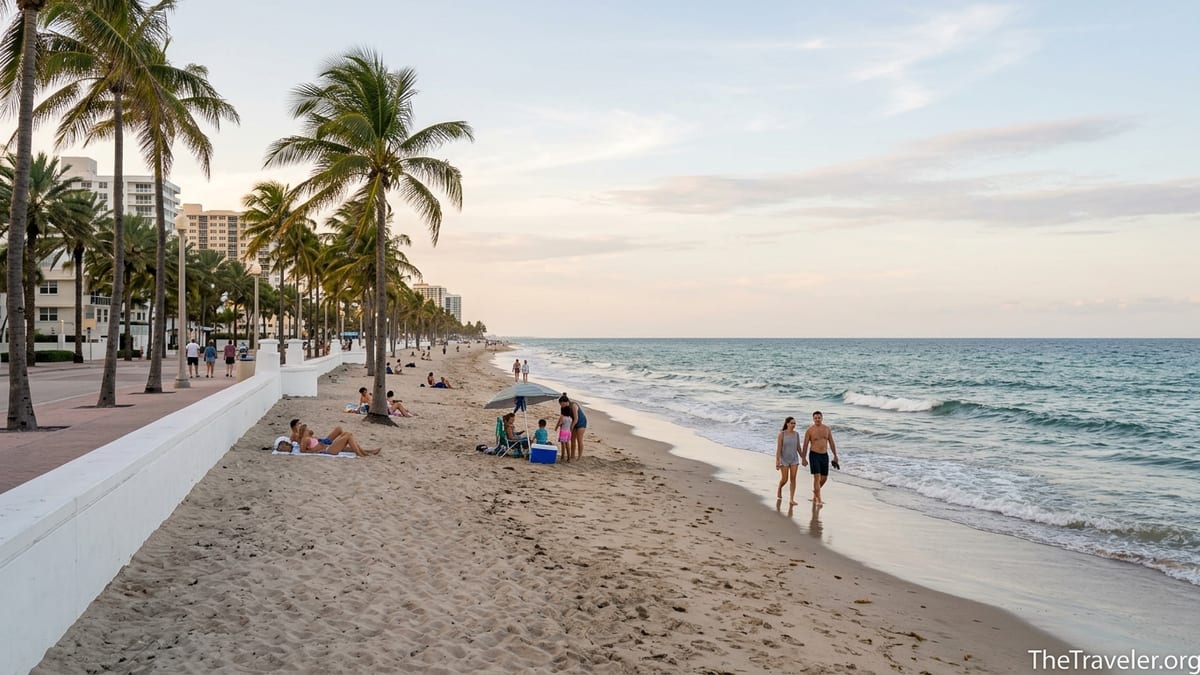
Las Olas Beach Weather by Season
Greater Fort Lauderdale enjoys a subtropical climate with an annual average temperature around the upper 70s Fahrenheit and plenty of sunshine, which is why Las Olas Beach is a year-round destination. Winter afternoons often reach the mid 70s, while summer afternoons commonly climb into the upper 80s or low 90s with high humidity. Ocean temperatures typically feel swimmable from late March through November, which is a major draw for visitors escaping colder climates.
From December through February, the weather is usually dry, with lower humidity and comfortable daytime highs in the low to mid 70s. You might need a light sweater for evening walks along A1A, but midday is perfect for lounging by the water or strolling from the Las Olas parking garage down to the beach. Rain showers are less frequent and shorter, which makes winter attractive for travelers who prioritize reliable sunshine.
In contrast, June through early October is the rainy and storm-prone season. Expect quick but intense afternoon downpours, often followed by lingering humidity and partly sunny skies. Even on rainy days, mornings can be bright and clear, making early beach sessions ideal before the heat and clouds build. The water is at its warmest during this period, often feeling like a bath, which is pleasant for swimming but can feel too warm for those craving a refreshing cool-off.
Shoulder months like March, April, and November offer a middle ground. Temperatures are warm enough for full beach days, and humidity is more manageable than in midsummer. The ocean remains inviting, especially by late March, which is one reason Las Olas Beach becomes a magnet for spring break visitors. If you want solid beach weather without the extremes of summer heat, these months are worthy contenders.
Winter Sun: December to February
For many travelers, the best time to visit Las Olas Beach is the winter season from December through February. During these months, Fort Lauderdale typically enjoys warm afternoons, cooler but comfortable evenings, and far fewer thunderstorms than in summer. It is common to see locals and visitors alike taking morning jogs along A1A and sitting outside at beachfront cafes near Las Olas Boulevard without worrying about oppressive heat.
Winter is also prime time for travelers from the northeastern United States and Canada who want reliable “shorts and T-shirt” weather. A typical January day might start in the low 60s and rise into the mid to upper 70s by midday. On these days, the sand at Las Olas Beach fills with a mix of retirees, families with younger children, and cruise passengers on pre- or post-cruise stays, rather than the party-heavy crowd seen in March.
Hotel prices, however, reflect this demand. Oceanfront properties along Fort Lauderdale Beach near Las Olas, such as well-known branded resorts and boutique hotels, often charge winter nightly rates that can be significantly higher than in August or September. It is common to find mid-range beachfront rooms in January starting in the upper mid-range bracket per night, compared with closer to budget-friendly rates in summer at the same property. Booking several months ahead, and looking slightly inland along Las Olas Boulevard or near downtown, can trim costs while keeping you within a short rideshare or trolley ride of the sand.
If your priority is peaceful beach time, comfortable temperatures, and you can accept higher lodging costs, winter is a strong choice. Just remember that popular dates like Christmas, New Year’s, and long holiday weekends see heavier traffic along Las Olas and A1A, plus higher room rates, so plan accordingly.
Spring: Beach Perfection Meets Spring Break Crowds
March and early April often deliver what many travelers imagine as perfect Florida beach weather: highs in the high 70s to low 80s, lower humidity than summer, and ocean temperatures that are warming up but still refreshing. These conditions make Las Olas Beach extremely attractive to college students and families on spring break, and in recent years Fort Lauderdale has again become a high-profile spring break hotspot. News coverage and videos from March 2026 show large crowds concentrated around the intersection of Las Olas Boulevard and A1A, with mounted police monitoring the beach promenade and traffic periodically restricted when crowds swell.
On peak weekends in March, you can expect the sand in front of Las Olas Beach to be busy from late morning through sunset. Groups of students set up coolers and music near the waterline, while the sidewalks and beachfront bars fill with people bar-hopping and watching the action. Even weeknights can feel energetic, with heavy foot traffic moving between Las Olas Beach and downtown nightlife areas via rideshare and scooters. If you enjoy a high-energy scene and people-watching, this period can be a highlight.
For travelers who prefer a quieter visit, early March weekdays and later April can be more manageable. Crowds tend to peak during the main spring break weeks of March, particularly when major universities schedule their breaks. By late April, the atmosphere at Las Olas Beach begins to resemble early summer: still warm and lively, but more balanced between families, couples, and locals.
Hotel prices during spring are similar to or slightly lower than winter highs, depending on exact dates and events. Oceanfront rooms near Las Olas Beach can command premium rates during peak March weekends, while the same properties might offer moderate discounts for weekday stays or late-April arrivals. Budget-conscious visitors often look to hotels a few blocks off the beach or closer to the downtown end of Las Olas Boulevard, then use the water taxi or rideshare to reach the sand.
Summer Heat and Hurricane Season: June to November
From June through November, South Florida enters Atlantic hurricane season, with storm risk historically peaking from August through October. While most summer and early fall days at Las Olas Beach are simply hot, humid, and sunny with afternoon thunderstorms, travelers should be aware of the possibility of tropical systems that can bring strong winds, heavy rain, and occasional beach closures. The official season dates run from June 1 to November 30, and trip insurance that covers weather disruptions is worth considering if you plan a visit during this window.
Daytime summer temperatures in Fort Lauderdale often reach the upper 80s or low 90s, and the humidity can make it feel hotter. Many locals structure their beach time around this, arriving at Las Olas Beach early in the morning, leaving for a long lunch and air-conditioned break when the sun is highest, and sometimes returning for the evening breeze. Heat indexes can be high enough that lying out for hours in the early afternoon becomes uncomfortable, especially without an umbrella.
On the positive side, this period usually offers some of the lowest hotel prices of the year. Oceanfront properties that might charge peak rates in February often drop into significantly more affordable territory in August or September. Packages that include resort credits or parking discounts are more common, and travelers visiting midweek outside of holidays like Memorial Day or Labor Day can often secure even better deals. This can make a summer or early fall trip attractive for budget travelers or families who need multiple rooms.
Travelers booking during the heart of hurricane season should stay flexible. Keep an eye on weather forecasts in the week leading up to your trip, and understand your hotel’s cancellation or rescheduling policies. Even without direct hits, nearby storms can produce days of strong onshore wind, rough surf, and advisories that keep swimmers close to shore or out of the water. Lifeguard flags on Las Olas Beach provide clear visual guidance, so check them when you arrive each day.
Sea Turtle Nesting Season and Nighttime Beach Rules
Las Olas Beach is part of a long stretch of Broward County shoreline used by nesting sea turtles. Local authorities note that sea turtle nesting season in the Fort Lauderdale area typically runs from March 1 through October 31 each year. During this time, visitors may notice roped-off nests on the sand, volunteers monitoring hatchlings at night, and special lighting rules along the beachfront to protect turtles from disorientation.
Beachfront lighting is restricted before sunrise and after sunset throughout nesting season. Hotels and restaurants along A1A near Las Olas often use lower, amber-colored lights or draw curtains at night to limit illumination reaching the sand. As a visitor, you might be asked not to use bright white flashlights or cellphone lights directly on the beach after dark. Photographers in particular should avoid flash photography aimed toward the water or marked nests, and follow any posted guidelines from sea turtle protection organizations active in Broward County.
These measures rarely affect daytime beach enjoyment, but they do shape the nighttime experience. For example, if you are planning an evening picnic on the sand in July, expect softer ambient lighting and fewer visible lights from adjacent properties. Some travelers find this adds to the natural, low-key feel of the beach at night, while others may prefer to enjoy the brighter atmosphere on the promenade side of A1A or on nearby Las Olas Boulevard.
Visitors interested in wildlife may find this an appealing time to visit. Local conservation groups sometimes coordinate educational programs or guided viewings, particularly for residents and volunteers, though access to actual nests remains controlled for the turtles’ protection. Even if you do not participate in a formal program, simply being aware of marked nests and giving them space is an easy way to contribute to conservation while enjoying Las Olas Beach.
Morning vs Sunset: Best Time of Day on Las Olas Beach
Beyond choosing your month, the time of day you visit Las Olas Beach has a major impact on your experience. Mornings, particularly between sunrise and around 10 a.m., are typically the calmest and coolest hours. Locals walk their dogs on the promenade, joggers use the path along A1A, and early risers stake out umbrella spots near the water before the sun intensifies. Parking at the Las Olas Beach garage is usually easier at this time, and lineups for coffee and breakfast spots nearby tend to be shorter.
By late morning and early afternoon, especially in spring and summer, the beach becomes busier. Families set up tents, day visitors arrive from nearby hotels, and music from portable speakers is more noticeable along the shoreline. If you are visiting during spring break in March, midday and early afternoon are when the party atmosphere is most pronounced near the Las Olas intersection, with crowds spilling between the sand and nearby bars.
Late afternoon and sunset provide a different mood. Temperatures ease slightly as the sun lowers, and the light softens over the Atlantic, creating excellent photo conditions. Couples and small groups often gather along the low wall facing the beach or sit at outdoor tables in beachfront restaurants, watching the sky shift colors. In winter, sunset comes earlier, which can align nicely with happy-hour specials at nearby venues. In summer, sunset is later, giving you more post-dinner time to stroll the sand.
Evening visits are shaped by both sea turtle nesting rules and nightlife patterns. During nesting season, artificial lighting on the sand is limited, so expect a more subdued, natural feel on the actual beach. Across A1A, however, bars and restaurants maintain a lively atmosphere into the night, particularly on weekends. If you prefer a quiet walk, consider early morning; if you enjoy an ambient, social vibe with live music drifting across the street, a sunset or post-sunset visit in the drier months can be ideal.
Finding Cheaper Hotel Periods Near Las Olas Beach
Las Olas Beach’s popularity means hotel rates are highly sensitive to season, day of week, and major events. In general, the most expensive periods run from late December through early April, especially around holidays, winter school breaks, and prime spring break weeks in March. During these times, oceanfront hotels near the Las Olas intersection, including recognizable big-brand resorts with pools overlooking the beach, often push rates into premium territory and may require multi-night minimums.
If your main goal is savings, look to late April through early June and late August through early November, avoiding long weekends like Memorial Day and Labor Day. In May, for example, you might find a mid-range hotel within a short walk of Las Olas Beach offering competitive midweek rates and added-value perks such as waived resort fees or discounted parking. Similarly, September and October can deliver noticeable savings because some travelers avoid South Florida due to hurricane concerns, even though many days during those months are simply hot, sunny, and quiet.
Another practical strategy is to stay slightly away from the immediate beachfront but still along Las Olas Boulevard or near downtown Fort Lauderdale. A business-style hotel a short rideshare or trolley ride from the beach can be significantly less expensive than an oceanfront property, while still providing easy daytime access to the sand and nightlife. Travelers who split their stay between a few nights on the beach and a few nights inland sometimes report overall savings without sacrificing the “beach vacation” feel.
Booking patterns also matter. Midweek stays, particularly Monday through Thursday outside of winter peaks, tend to be cheaper than Friday and Saturday nights, when both tourists and South Florida residents converge on the area. Securing refundable rates a few months in advance, then monitoring for price drops closer to arrival, can occasionally yield better deals, especially in the less predictable late-summer and fall months.
The Takeaway
There is no single “best” time for everyone to visit Las Olas Beach. Travelers focused on mild temperatures and steady sunshine will gravitate toward the dry winter months from December to February, accepting higher hotel prices as the tradeoff. Those who want classic spring beach weather and do not mind a party atmosphere may choose March or early April, when Las Olas becomes a lively spring break hub filled with college students, live music, and busy nightlife on both the beach and downtown stretches.
Budget-minded visitors willing to embrace heat and humidity can find some of the year’s best hotel deals in late spring and especially during the summer and early fall, keeping in mind that this overlaps with hurricane season and near-daily afternoon thunderstorms. Nature enthusiasts and repeat visitors often time their trips between March and October to coincide with sea turtle nesting, enjoying quieter, darker beaches at night and a more local, conservation-focused feel.
Whatever month you choose, shaping your day around the elements will improve your experience. Early mornings and sunset hours on Las Olas Beach are usually cooler and less intense than midday, and they reveal two very different sides of Fort Lauderdale: a tranquil, pastel-hued shoreline at sunrise and a sociable, light-filled promenade at dusk. With a bit of planning around weather patterns, crowd cycles, and hotel pricing, you can match your Las Olas Beach trip to the version of Fort Lauderdale that fits you best.
FAQ
Q1. What is the best month overall to visit Las Olas Beach?
The best all-around months for most visitors are typically March, April, and November. They balance warm beach weather with more moderate humidity than summer, and they avoid the coolest winter nights. March and early April can be very busy with spring break crowds, while November usually feels calmer.
Q2. When is Las Olas Beach least crowded?
Las Olas Beach is often least crowded on weekday mornings outside of major holiday periods and spring break. Late April, May before Memorial Day, early June weekdays, and much of September and October (excluding storm days) tend to feel noticeably quieter than peak winter or March weekends.
Q3. How bad are spring break crowds at Las Olas Beach?
During peak March weeks, spring break crowds can be very dense around the Las Olas Boulevard and A1A intersection. Expect busy sidewalks, loud music, and a heavy police presence. If you prefer a relaxed scene, choose early mornings, late April dates, or different months entirely.
Q4. Is it safe to visit during hurricane season?
Most days during hurricane season are simply hot and humid with afternoon storms, but there is a real risk of tropical systems from June through November, especially August to October. If you visit then, consider flexible bookings and travel insurance that covers weather disruptions, and watch forecasts closely before and during your trip.
Q5. When is sea turtle nesting season at Las Olas Beach?
In the Fort Lauderdale area, sea turtle nesting season typically runs from March 1 through October 31. During this time you may see marked nests on the sand and reduced beachfront lighting at night to protect turtles and hatchlings.
Q6. What is the best time of day to visit Las Olas Beach in summer?
In summer, the most comfortable times are early morning, around sunrise to mid-morning, and late afternoon toward sunset. Midday can be extremely hot and humid, and afternoon thunderstorms often develop, so many visitors plan indoor breaks in the early afternoon.
Q7. Are winter ocean temperatures warm enough for swimming?
Winter ocean temperatures off Fort Lauderdale are cooler than in summer but usually still swimmable for many visitors. Some people find January and February water a bit brisk at first, but it typically feels comfortable after a brief adjustment, especially on sunny days with air temperatures in the mid 70s.
Q8. How can I save money on hotels near Las Olas Beach?
To save on hotels, target shoulder seasons like late April to early June or late August to early November, avoid major holidays, and consider midweek stays. Looking at properties a few blocks inland or closer to downtown, then using rideshare or local transport to reach the beach, can also reduce nightly rates.
Q9. Is Las Olas Beach family-friendly during spring break?
Las Olas Beach is generally family-friendly, but during peak spring break weekends in March, the atmosphere near the main intersection can be loud and party-oriented. Families seeking a quieter experience may prefer visiting earlier in the day, staying farther along the beach, or choosing different months.
Q10. Do I need a car to enjoy Las Olas Beach and nearby areas?
You do not strictly need a car if you stay near Las Olas Boulevard or Fort Lauderdale Beach. Many hotels are within walking distance of the sand, and rideshares, taxis, and local trolleys connect the beach with downtown and other districts. A car can be convenient for exploring wider South Florida, but parking near the beach can be costly and fills quickly on busy days.