


More news on this day
Bangladesh’s Civil Aviation Authority has issued a series of instructions to airlines operating direct and transit services to Saudi Arabia, seeking to ease mounting hardship for thousands of passengers stranded or delayed after security-related disruption closed or restricted operations at key Saudi airports.
Get the latest news straight to your inbox!
Seven-point directive aimed at easing passenger hardship
According to publicly available information from recent circulars, the Civil Aviation Authority of Bangladesh (CAAB) has set out seven specific directives for carriers flying to Saudi Arabia from Dhaka and other Bangladeshi airports. The measures are designed to address severe disruption triggered by missile and drone attacks on Saudi airports, which have led to widespread cancellations and delays on both direct and connecting routes.
The directives instruct airlines to proactively notify passengers of cancellations, major delays and schedule changes through multiple communication channels, including text messages, phone calls, email, websites and social media. Carriers are also told to provide clear, timely information on revised flight timings, rebooking options, refund procedures and any alternative arrangements that may be available.
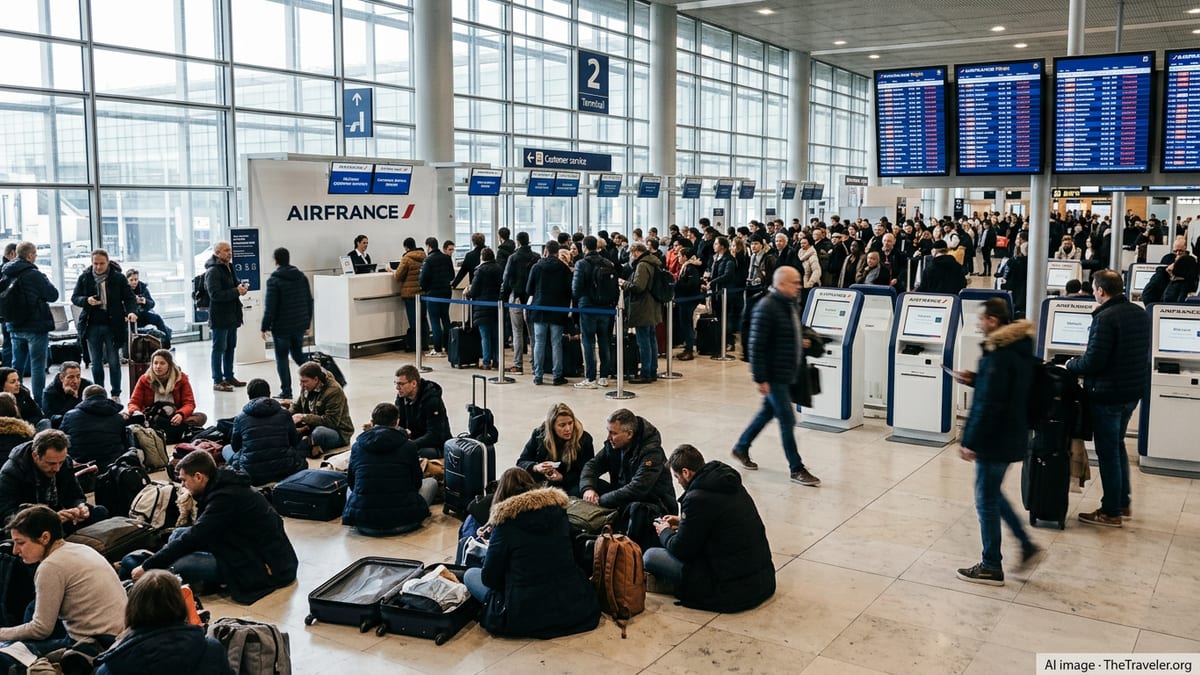
CAAB has further called on airlines to advise affected passengers not to travel to the airport until their flight status has been confirmed. The guidance aims to reduce overcrowding and repeated journeys to Hazrat Shahjalal International Airport in Dhaka, where recent media coverage has shown migrant workers and Umrah pilgrims waiting for hours with luggage as they search for any possible seat to Saudi Arabia.
Each airline has been asked to appoint a designated representative, backed by sufficient support staff, to coordinate passenger handling and operational arrangements with the Flight Management Department at Hazrat Shahjalal International Airport. The focal point’s name, designation, mobile number and email address are to be shared with airport authorities so that issues can be escalated quickly when large groups of passengers are affected by last-minute changes.
Flights cancelled, tens of thousands of journeys disrupted
Published figures from CAAB and local media indicate the scale of the disruption for Bangladesh–Saudi travel. Reports from Dhaka show that, as of midweek, around 100 direct and transit flights linking Bangladesh with Saudi destinations had been cancelled or suspended in the wake of the airport attacks, affecting approximately 15,000 to 16,000 passengers. Earlier tallies cited at least 62 affected flights and close to 10,000 passengers before the numbers climbed further as restrictions persisted.
Many of those hit by cancellations are Bangladeshi migrant workers heading to jobs in cities such as Riyadh and Dammam, often with visas that expire within days. Others include Umrah pilgrims and expatriate workers returning to Saudi Arabia from home visits. News reports describe long queues at airline offices and travel agencies in Dhaka as passengers try to secure seats on remaining services to Jeddah and Madinah, which are operating under fewer restrictions than Riyadh.
Images from Hazrat Shahjalal International Airport over recent days show passengers sleeping on terminal floors and crowding service desks as they attempt to rebook. Travel-industry coverage notes that some airlines have rerouted passengers to alternative Saudi airports when possible, but limited capacity and fast-approaching visa deadlines have left many travellers uncertain whether they will be able to depart in time to keep their jobs or complete planned pilgrimages.
The disruption comes only weeks after Bangladesh and Saudi Arabia agreed to raise permitted weekly passenger flights between the two countries from 49 to 84, a move expected to ease pressure for Hajj, Umrah and expatriate travel. The current crisis has effectively reversed those gains in the short term, with a sizeable share of scheduled capacity temporarily offline.
Rebooking, refunds and visa support highlighted
In its latest guidance, CAAB has emphasized that airlines must actively assist passengers in securing new travel arrangements or recovering unused value from tickets that can no longer be used as planned. Publicly available summaries of the directive state that carriers should offer rebooking options at the earliest available opportunity and process refunds where travel is no longer possible or desired, in line with each airline’s conditions of carriage and applicable regulations.
Airlines have also been asked to direct travellers who may need extensions to Saudi visas or help with other immigration questions towards relevant Saudi authorities, the Saudi embassy in Dhaka and other competent agencies. Government representatives in Bangladesh have publicly expressed hope that visa-related complications for stranded workers can be resolved through ongoing discussions with Saudi counterparts.
Local coverage indicates that some passengers have successfully switched to flights bound for Jeddah or Madinah, then continued overland or on domestic sectors to their final destinations. Others, particularly those booked on transit itineraries through Riyadh, report waiting for confirmation from foreign carriers about revised routings through alternative hubs such as Doha or Dubai. The CAAB directive seeks to ensure these processes are handled systematically rather than leaving passengers to navigate complex rules on their own.
At the same time, reports note that airlines are balancing passenger support with operational and safety considerations, as they can only mount additional services or reroute flights within the constraints imposed by Saudi airspace restrictions and airport capacity. This has limited the speed at which backlogs can be cleared, despite efforts to prioritize travellers with imminent visa expiry.
Security backdrop: attacks on Saudi airports
The immediate trigger for the current travel turmoil is a series of attacks on Saudi airports carried out in early October, part of an escalation in the conflict between Yemen’s Houthi movement and Saudi Arabia. Open-source timelines describe missile and drone strikes against several airports, including King Khalid International Airport in Riyadh, which led to temporary closures, tightened security measures and warnings from the Houthis that airports in the kingdom, with the exception of those in Makkah and Madinah, could be treated as potential targets.
International aviation coverage notes that airlines serving Saudi destinations have had to adjust flight paths, reduce frequencies or cancel services outright while operators and regulators assess risks. Some carriers have rerouted flights to airports considered less exposed to the attacks, while others have trimmed schedules until there is more clarity on the security outlook.
For Bangladesh, these developments have an outsized impact because Saudi Arabia is one of the main destinations for its overseas workforce and a critical source of remittance income. Data cited in Dhaka-based reporting show that Saudi Arabia contributes a significant share of the billions of dollars in annual remittances sent home by Bangladeshi workers, meaning that any prolonged barrier to labour mobility risks knock-on effects for households and the broader economy.
While Saudi authorities have begun to restore operations at affected airports, the pace of normalization remains uncertain. Aviation analysts quoted in regional coverage suggest that airlines may continue to operate modified schedules and routings for some time, depending on how security assessments evolve and whether further attacks occur.
What passengers can expect in the coming days
For travellers in Bangladesh holding Saudi-bound tickets, the CAAB directives signal that airlines are expected to take a more structured approach to communication and customer care than in the initial days of the crisis. Passengers are being urged through public advisories and media reports to monitor airline notifications closely, confirm their flight status before leaving home and keep contact details updated with their carrier or travel agency.
Consumer advocates interviewed in local coverage note that, while CAAB can set expectations and oversee compliance at Bangladeshi airports, the exact level of assistance offered to passengers may still vary by airline, fare type and route. Some full-service carriers may be more willing to provide hotel accommodation or meal vouchers when lengthy delays occur, whereas budget airlines may focus primarily on rebooking and refunds.
Travel-industry reports also highlight that those with time-sensitive work visas should inform their employers and recruiting agencies as early as possible if they are unable to depart as scheduled, so that employers can coordinate with Saudi authorities about possible extensions. CAAB’s instruction that airlines guide such passengers towards appropriate consular and immigration channels is intended to complement these efforts rather than replace them.
For now, publicly available statements from Bangladeshi officials and aviation regulators indicate that they expect airlines operating to Saudi Arabia to keep passengers informed, offer reasonable rebooking and refund options, and cooperate closely with government agencies as the situation develops. How quickly the backlog of stranded travellers clears will depend not only on these measures but also on how fast security conditions allow Saudi airports to resume more normal levels of operation.