


Tampa delivers a classic Florida mix of sunshine, Gulf Coast beaches and big-name attractions, but when you go can dramatically change what your trip feels like. Between steamy summers, gentle winter sunshine, a long hurricane season and sharp price swings around holidays and school breaks, timing your visit is almost as important as choosing your hotel. This guide breaks down Tampa by season and travel style so you can match your trip to the weather, beaches, Busch Gardens crowds and your budget.
Get the latest updates straight to your inbox!
Understanding Tampa’s Weather and Hurricane Season
Tampa sits on Florida’s Gulf Coast with a humid subtropical climate, which means warm to hot temperatures most of the year and a distinct rainy season. Winter days often hover in the low to mid 70s Fahrenheit, while summer afternoons regularly land in the upper 80s and low 90s with high humidity. Summer also brings routine afternoon thunderstorms that can drench the city for 20 to 40 minutes, then clear to blue skies again. For many visitors, that mix of warmth and quick showers is part of the Florida experience, but it can catch unprepared travelers off guard.
The Atlantic hurricane season officially runs from June 1 to November 30, and Tampa is part of that risk zone. Direct hits on Tampa Bay are relatively rare compared with some other parts of Florida, but the region still sees tropical storms, outer rain bands and heavy surf during active systems in the Gulf. In practice, the higher-risk window for disruptive storms is usually late August through early October. If you are planning a beach or Busch Gardens trip in those months, factor in flexible bookings and travel insurance that covers weather-related changes.
Rainfall follows a fairly predictable pattern. The local rainy season identified by the National Weather Service typically starts in late May or early June and continues through late September, with frequent afternoon downpours and higher humidity. November is usually the driest month of the year, which means clearer skies and more stable beach conditions. If you want plenty of sunshine with less chance of daily storms, mid-October through April is generally more reliable. Summer still has plenty of sunny hours, but you will need to work around the thunderstorms.
For practical planning, think of Tampa’s year in three broad slices. December through March offers the most comfortable outdoor conditions and the lowest rain chances. April, May and October are shoulder periods when temperatures climb but are still manageable for long days outside. June through September are hot, humid and storm-prone, but also bring the warmest Gulf water for swimming and often lower prices away from peak holiday weeks.
Winter Sun: December to February
Winter is Tampa’s sweet spot for weather. Daytime highs often sit in the low to mid 70s with cooler, fresh mornings in the 50s and 60s. Humidity is lower, skies are clearer and rain is infrequent compared with summer. This is when locals spend long weekends at Clearwater Beach or St. Pete Beach, and travelers from the Midwest and Canada fly down specifically for a dose of winter sun. You can comfortably stroll the Tampa Riverwalk in jeans and a light shirt at midday, then throw on a light jacket for dinner on an outdoor patio.
The trade-off is that winter is also high season for tourism across the Tampa Bay area. Around Christmas and New Year’s, beaches fill with families and seasonal residents, and theme parks such as Busch Gardens run special Christmas Town programming that draws heavy crowds. Hotel rates in late December can easily be double what you would see in late summer, particularly at waterfront resorts in Clearwater Beach or on the islands near St. Pete. Even midrange properties near downtown or in Westshore often price like upscale hotels during the festive period.
January and early February are calmer but still busy with retirees and conference groups. This is a good window if you prioritize comfortable sightseeing and do not mind paying moderate to high prices. For example, a midscale chain hotel within a short drive of both downtown Tampa and Busch Gardens might price around the upper midrange in January, whereas the same room could be considerably cheaper in August. You will get cooler evenings, so swimming in the Gulf can feel a little brisk, but hotel pools are often heated and pleasant through the day.
On the beaches, winter brings fewer afternoon thunderstorms and typically gentle surf, which is ideal for walking, shelling and sunset watching. If your dream is long walks on soft sand rather than hours in the water, December through February will feel nearly ideal. Just pack layers: you might be in shorts at lunchtime and reaching for a sweater after dark, especially if you plan to sit outside at places like rooftop bars in downtown Tampa or waterfront restaurants in Clearwater.
Spring Crowds, Festivals and Beach Season: March to May
Spring is when Tampa trades winter calm for energy. By March, highs often reach the upper 70s and low 80s, humidity starts to climb and the beaches become lively. This is prime time for spring break, particularly from early March through early April, when local schools and universities across the Southeast take their holiday weeks. Clearwater Beach and St. Pete Beach can feel packed, with long lines at casual spots for fish tacos and frozen drinks, and busier evenings on streets like Clearwater’s Beach Walk.
Busch Gardens Tampa also feels the shift. March and early April bring a mix of spring break tourists, local families and school groups. Crowd calendars for the park consistently show heavier attendance on weekends and during the weeks that bracket Easter, with popular coasters such as Iron Gwazi and SheiKra posting long waits. The park often runs seasonal events, such as a food and wine festival in spring, which add value but also draw more people. If riding the headliner coasters multiple times is your priority, aim for weekdays outside major holiday weeks and plan to arrive at opening.
By late April and May, conditions are close to ideal for beach lovers who want warm water without full summer humidity. Gulf temperatures become more comfortable for long swims, yet the daily thunderstorm pattern of June has not fully set in. Hotel rates usually begin to soften compared with March, especially after Easter and long weekends like Memorial Day. You might find that a waterfront room in Clearwater Beach in early May costs significantly less than a similar room during March peak weeks, while still giving you hot sand, umbrella rentals on the beach and long evenings for outdoor dining.
Spring also brings a strong calendar of local events. Tampa hosts professional baseball spring training in the wider region, and downtown areas across Tampa Bay run art festivals, food events and outdoor concerts. These gatherings are pleasant in March and April, when you can stand outside for hours without overheating. Just be aware that large events can temporarily spike demand in certain neighborhoods. If there is a major festival downtown, for instance, central hotels can sell out even if the beaches still have availability.
Summer Heat, Thunderstorms and Cheaper Prices: June to September
Summer in Tampa is hot, humid and lively on the surface, but also one of the best times to visit if you want lower prices and do not mind heat. June through September see daytime highs in the upper 80s to low 90s with humidity that makes it feel hotter. Afternoon thunderstorms are common, with the National Weather Service defining a rainy season for the region that typically runs from late May or early June into late September. Storms can arrive quickly with dark clouds and intense rain, then pass and leave behind steamy blue skies.
The Gulf water is at its warmest in summer, which is perfect for families who want to spend long sessions in the sea without getting chilled. On a July day at Clearwater Beach, you might step into water that feels close to bath temperature, float for half an hour, then cool off under a beach umbrella. Lifeguards usually close the water briefly if there is lightning nearby, but because storms are often short-lived, many beachgoers simply retreat to a bar or café for an hour and head back out when the all-clear returns.
From a budget perspective, summer can deliver significant savings. Hotel comparison tools often show August as one of the cheapest months for Tampa, with average rates measurably lower than winter high season. Families might be able to book a reputable chain hotel near Busch Gardens or the airport business district for what they would pay for a basic motel in March. Even some waterfront resorts offer aggressive weekday deals during late August and September, especially once local schools return to session in mid-August and the last vacationers fly home.
The main caveat is the overlap with the core of hurricane season. Late August through early October historically brings the highest number of strong tropical systems in the Atlantic and Gulf basins. Tampa is not hit directly every year, but travelers should pay attention to forecasts in the 10 days before their trip, consider refundable hotel rates and build an extra day or two of flexibility into their schedule. If a storm does threaten the Gulf Coast, beaches and attractions may close temporarily and flights can be disrupted. For many visitors, the risk is acceptable in exchange for warm water and lower prices, but it is worth planning around this reality.
Autumn Shoulder Season: October and November
Autumn is arguably Tampa’s most underrated time to visit. In October, the most intense heat begins to ease, but the Gulf water remains warm enough for comfortable swimming. Humidity typically drops relative to July and August, and the rainy season winds down, leading to more days filled with sunshine from morning to evening rather than split by storms. The official hurricane season continues through November, but the statistical peak has usually passed by mid-October, and serious late-season storms are less common.
This is a great time for travelers who want to balance pleasant weather, good beach conditions and moderate prices. On an average late October day, you might enjoy a morning at St. Pete Beach, have lunch in a casual beachfront café and then drive back to Tampa for a cool evening baseball playoff watch party at a sports bar. You can linger outdoors without the intense midday fatigue that July and August humidity often brings. Outdoor attractions such as the Tampa Riverwalk, the zoo and the aquariums are at their most comfortable in these weeks.
Busch Gardens leans into the season with Halloween-themed events like its signature fall haunt, which draw regional crowds in the evenings. Weekends in October can be busy at the park, especially at night, but weekdays still offer lighter lines compared with spring break or Christmas. If you want to combine the Halloween entertainment with shorter waits, consider a midweek visit and plan your haunted house time as the sun sets rather than during the very peak nighttime hours.
By November, Tampa typically enjoys some of its driest and most stable weather of the year. Daytime temperatures often sit in the 70s, nights are mild and the threat of serious storms decreases further as the hurricane season approaches its end on November 30. Hotel rates generally begin climbing later in November as the holiday season approaches, but early November can be a sweet spot for travelers: friendly weather, less crowding than March and December, and prices that are often lower than full winter high season.
Timing Busch Gardens and Theme Parks
Busch Gardens Tampa is a major reason many visitors come to the city, and timing your visit can make the difference between a relaxed day and standing in hour-long lines. Crowd patterns follow school calendars and holidays. The busiest periods tend to be the weeks around Christmas and New Year’s, spring break from roughly early March through early April, and the core summer vacation window in June and July. On Saturdays in these periods, marquee coasters can build significant waits and parking lots fill early.
For lower crowds and more comfortable weather, look to mid-January through mid-February, late April into early May, and many weekdays in October and early November. During these times, visitors often report riding several major coasters before lunchtime by arriving at opening and using a smart route plan. Local crowd calendars and discussion forums regularly highlight Tuesday through Thursday as better choices than weekends, particularly when schools are in session and there are no special events.
Summer presents a trade-off: the park runs extended hours and nighttime events such as summer celebrations, but heat and humidity are intense, and afternoon storms can temporarily close outdoor rides. If July is your only option, plan a split day. Arrive at opening to ride the biggest coasters before late-morning heat, retreat to an air-conditioned restaurant or your hotel pool during the storm-prone afternoon, then return in the evening when temperatures ease and many locals head home. Bundling your visit with Adventure Island, the seasonal water park across the street, can also help, since you can spend the hottest hours in the water rather than in lines.
From a price perspective, ticket discounts and promotional offers are more common outside the core holiday windows. Multi-day passes, weekday deals and add-ons like dining plans can offer good value in late summer and fall. Conversely, during Christmas Town or peak spring break, single-day tickets and express passes command higher prices, and some promotional rates are blocked out entirely. Booking early and being flexible with your dates, even by a day or two, can noticeably reduce the cost of a Busch Gardens-focused trip.
Beach Trips and Where Prices Drop
The beaches west of Tampa are a major part of any visit, whether you choose busy Clearwater Beach, laid-back Pass-a-Grille, family-friendly Indian Rocks Beach or one of the barrier islands near St. Petersburg. Weather and prices here are closely tied to school calendars and seasonal residents. December through March brings high occupancy as winter visitors settle into condos and snowbirds fill vacation rentals. Week-long rentals that might be attainable in September can be out of reach in February, especially for Gulf-front units with direct beach access.
If you are seeking lower accommodation prices, look to late August, September and early October on the coast. These months line up with the warmest water temperatures and fewer family vacations, which means more bargaining power on condos and hotel rooms. A one-bedroom vacation rental steps from the sand that might command a premium per night in March could be substantially cheaper in September. In practical terms, this can free up budget for extras like renting beach cabanas, trying nicer seafood restaurants or adding a side trip to Busch Gardens or the Florida Aquarium in Tampa.
For many travelers, the best compromise is often the spring and autumn shoulder periods: late April into May, and October into early November. In late April or early May, you can swim comfortably, walk the beach in the evening without a jacket and often find moderate prices, especially if you stay a block or two off the sand rather than directly on the waterfront. In October and early November, water remains warm enough for most swimmers, the sun is strong but less oppressive, and nightly rates are frequently below winter peaks while above the absolute rock-bottom lows of hurricane-prone September.
Transportation and dining costs also follow subtle seasonal rhythms. Ride-hail prices between Tampa International Airport and Clearwater Beach or downtown St. Petersburg can spike during major holidays and festival weekends, while dropping to more reasonable levels in quieter weeks. Popular beachfront restaurants often run shorter waits and may offer more midweek specials in late summer and fall than they do in February, when tables turn quickly even on weeknights. By aligning your visit with these calmer periods, you can experience the same white sand and sunsets with less pressure on your schedule and budget.
The Takeaway
The best time to visit Tampa depends on what you value most: gentle winter sunshine, lively spring energy, warm-water beach days or lower prices. If weather comfort is your top priority and budget is flexible, target December through March, avoiding the most expensive days around Christmas and New Year’s if you can. For beach-focused trips with fewer spring break crowds, late April, May and October offer a strong balance of warm temperatures, manageable humidity and moderate costs.
Travelers willing to accept heat, humidity and some storm risk can unlock the biggest savings by coming in late summer or early fall. August and September routinely see lower hotel rates while still providing hot sand and very warm Gulf water. Just plan with flexible bookings and keep an eye on tropical forecasts. For Busch Gardens and other theme park days, midweek visits in winter’s calmer stretch, or in the shoulder months of late April, May and October, usually deliver the best combination of tolerable weather and shorter waits.
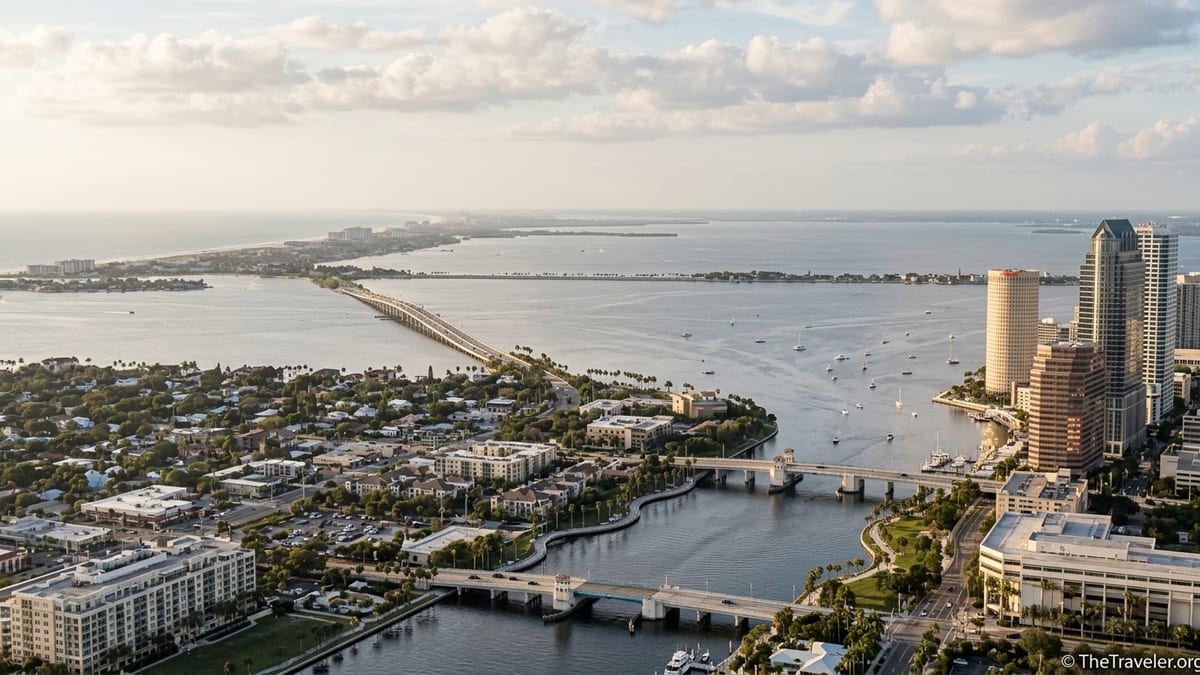
There is no single perfect month for every traveler, but Tampa rewards those who match their timing to their priorities. Decide whether you care more about cool evenings, warm surf, festival calendars or room rates, then choose a season that leans in your favor. With a bit of planning, you can enjoy the city’s skyline, riverfront and beaches at their best while keeping surprises to a minimum.
FAQ
Q1. What is the overall best month to visit Tampa for most travelers?
For a balance of pleasant weather, reasonable prices and lighter crowds, many travelers find late April, early May or October to be ideal. These periods avoid the coldest winter nights, the heaviest spring break crowds and the most intense summer heat, while still offering warm days suitable for beaches and outdoor attractions.
Q2. When is Tampa’s hurricane season, and how much should it affect my plans?
The official Atlantic hurricane season runs from June 1 to November 30, with the highest activity typically from late August through early October. While Tampa does not experience a major storm every year, travelers visiting in that window should consider refundable hotel rates, travel insurance that covers weather disruptions and a flexible itinerary that allows for shifting plans if a storm threatens the Gulf Coast.
Q3. Is winter warm enough for a beach holiday in Tampa?
Yes, but it depends on your tolerance for cooler water. From December to February, daytime air temperatures are often in the 60s and 70s, which is great for walking the beach, sunbathing on calmer days and swimming in heated hotel pools. The Gulf itself can feel cool for long swims, especially in January, so winter is better for beach scenery and sunshine than for hours in the sea.
Q4. How crowded is Busch Gardens during spring break?
Busch Gardens is very busy during spring break, especially from early March through early April and on weekends near Easter. Expect longer waits for headliner coasters and fuller parking lots. If spring is your only option, choose a weekday visit, arrive at opening, ride the most popular attractions first and consider staying late when some families leave for dinner or bedtime.
Q5. When are hotel prices in Tampa generally lowest?
Hotel prices in Tampa often drop in late summer, particularly in August and parts of September, when heat, humidity and storm risk deter some visitors. Rates can also be softer in early November and certain midweek periods in May and October, especially away from the beachfront and outside major events or conventions.
Q6. Is summer in Tampa too hot to enjoy outdoor activities?
Summer is hot and humid, but many visitors still enjoy it by planning around the heat. Schedule outdoor activities like Busch Gardens, zoo visits and long walks on the Riverwalk in the morning and evening, and reserve midday for air-conditioned museums, shopping centers or pool breaks. On the beaches, warm Gulf water and sea breezes make the heat more tolerable, as long as you use shade and stay hydrated.
Q7. What is the best season for warm-water swimming at Tampa’s beaches?
The Gulf water is warmest from roughly June through September, which is ideal for long swims without getting chilled. May and October often provide a good compromise, with water temperatures comfortable for most swimmers but slightly less oppressive heat and humidity onshore compared with peak summer.
Q8. Are there specific months I should avoid if I dislike crowds?
If you want to avoid crowds, try not to visit during late December through early January, the main spring break period in March and early April, or holiday weekends like Memorial Day and Labor Day. Instead, look at mid-January to mid-February, late April, early May, October and early November, focusing on midweek stays for the quietest experience in both the city and at major attractions.
Q9. How far in advance should I book for a winter trip to Tampa?
For a winter visit between late December and March, it is wise to book flights and accommodations several months in advance, especially for beachfront areas like Clearwater Beach and the barrier islands. Popular hotels and vacation rentals can sell out or command premium rates near holidays and during peak snowbird season, so early planning helps secure better options and prices.
Q10. Is it realistic to combine beaches and Busch Gardens in one trip, and when is best to do that?
Yes, many travelers split their time between the beaches and Busch Gardens, given that Clearwater Beach or St. Pete Beach are roughly an hour’s drive from the park under normal traffic. For a combined trip, shoulder seasons like late April, May and October work especially well, offering warm beach days, manageable theme park crowds and moderate prices. In these months, you can spend a few days on the coast, then drive inland for a day or two of rides and animal exhibits without battling the worst of either heat or holiday crowds.