


More news on this day
Africa’s largest airline is grappling with about 90 million dollars in ticket revenue trapped in foreign markets, as tightening currency controls and sanctions intensify a continent wide blocked funds crisis estimated at roughly one billion dollars.
Get the latest news straight to your inbox!
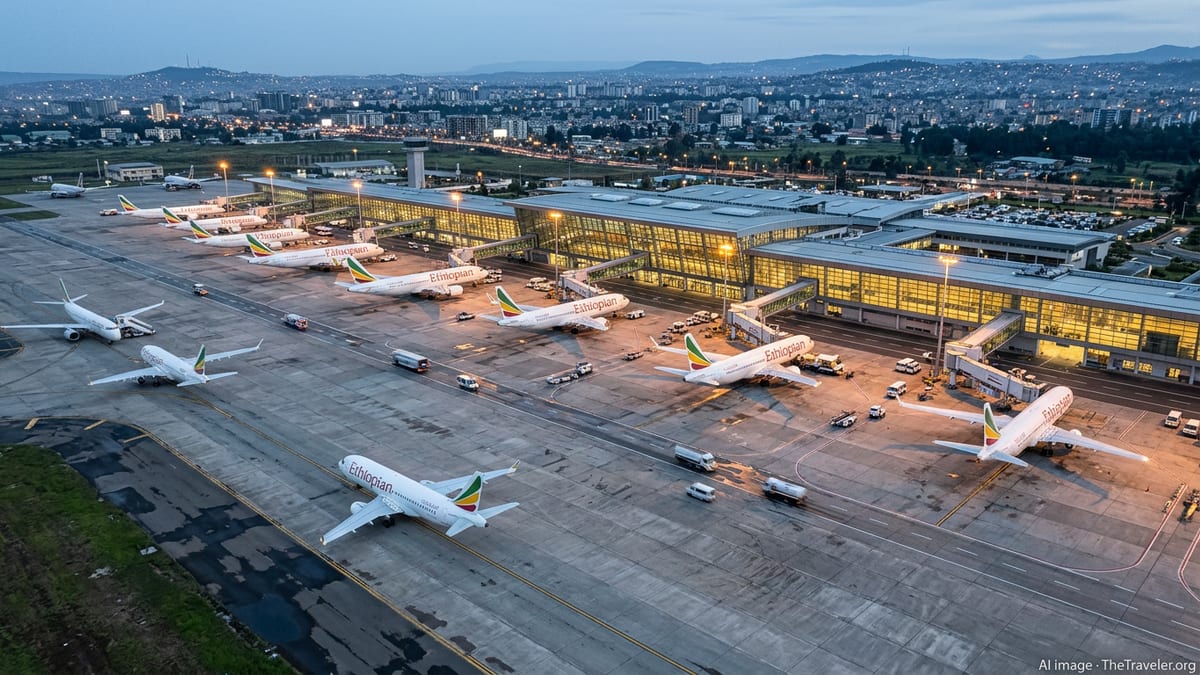
Flagship carrier caught in worsening currency crunch
According to recent industry coverage, Ethiopian Airlines, Africa’s largest carrier by passenger traffic and network, has emerged as one of the biggest casualties of a renewed wave of foreign exchange shortages across key African markets. Publicly available figures indicate the airline has around 90 million dollars in revenue that cannot be repatriated from countries where it operates, forcing the company to manage operations without access to cash it has already earned.
The trapped funds are largely the result of governments limiting access to hard currency in order to protect dwindling reserves or comply with international sanctions regimes. In practical terms, airlines can sell tickets and fill seats but are often required to hold proceeds in local currency, which cannot easily be converted into dollars or euros and transferred back to their headquarters.
Industry observers note that Ethiopian Airlines has continued expanding its route network and fleet despite the pressure, but blocked funds heighten financial risks. The carrier must hedge against volatile local currencies, adjust capacity on affected routes and weigh whether further expansion into high risk markets is still viable while so much cash remains stuck offshore.
Analysts say the situation underscores the vulnerability of even the strongest African airlines to macroeconomic and political shocks outside their control. The 90 million dollar figure represents not only a strain on working capital, but also an opportunity cost as those funds could otherwise support new aircraft orders, route launches or debt reduction.
Continent wide blocked funds near one billion dollars
The predicament facing Africa’s largest airline sits within a broader regional pattern. Data presented by the International Air Transport Association and regional aviation bodies shows that African governments account for the vast majority of the world’s blocked airline funds. Recent presentations by the industry group point to roughly 1.2 billion dollars of airline revenue trapped globally, with close to one billion dollars located in African markets alone.
In several countries, restrictions were first introduced during previous commodity shocks and have tightened again amid recent inflation, currency depreciation and rising debt service costs. Markets such as Algeria, the Central African franc zone, Mozambique, Angola and Eritrea have been cited in industry briefings as among the largest holders of airline funds, reflecting a mix of regulatory hurdles, chronic dollar shortages and complex approval procedures for transfers.
Regional airline associations report that the scale of trapped revenue has fluctuated over the past few years as some governments partially release funds while others fall further into arrears. Nigeria, for example, has periodically cleared significant amounts following high profile disputes with foreign carriers, while new backlogs have built up in other markets where economic conditions have deteriorated.
For the airlines involved, blocked funds are not simply an accounting issue. They erode confidence in long term planning, complicate financing arrangements with lessors and lenders, and can undermine the rationale for basing aircraft and crew in certain cities. For governments seeking to attract investment and tourism, the perception of high financial risk can be just as damaging as the immediate operational disruptions.
Forex shortages, sanctions and policy decisions drive the squeeze
Aviation specialists link the current escalation in blocked funds to a combination of global and domestic factors. Currency shortages have worsened as several African economies grapple with weaker export earnings, higher import bills and tighter access to external financing. In this environment, central banks often ration foreign exchange, prioritizing sectors such as fuel, food and medicine, while leaving airlines and other service industries with limited access to dollars.
Sanctions and banking restrictions have also complicated repatriation in certain jurisdictions. Where international measures target financial institutions or state entities, airlines may find themselves unable to route payments through correspondent banks, even when local regulators formally permit transfers. In some cases, domestic rules require multiple layers of approvals for each transaction, turning routine settlements into lengthy administrative processes.
Policy choices play a central role as well. Industry presentations highlight that new documentation requirements, licensing steps or ministerial sign offs can sharply increase the time and uncertainty involved in moving funds out of a country. Even when governments eventually release money, the delay can stretch to many months, exposing airlines to local currency depreciation and inflation that erode the real value of their revenues.
Observers stress that these measures may bring short term relief to government balance sheets but carry longer term economic costs. Airlines facing persistent blockages may scale back frequencies, pause new routes or in extreme cases suspend services, reducing connectivity for trade, tourism and investment.
Impact on passengers, tourism and connectivity
While blocked funds are a financial issue for airlines, the effects are increasingly visible to travelers and tourism dependent economies. When carriers cannot freely access their earnings, they may respond by raising fares in higher risk markets, restricting the availability of the lowest priced tickets or demanding payment in hard currency, all of which make air travel less affordable for local passengers.
Capacity cuts are another common response. Airlines have, in previous episodes of severe currency stress, trimmed or downgraded services to affected destinations, reallocating aircraft to more predictable markets. Reduced frequencies can make it harder for business travelers to plan trips and can weaken the competitive position of regional hubs that rely on smooth connections.
For countries trying to grow tourism, any perception that flights are unreliable or overpriced can quickly undermine marketing campaigns. Hoteliers, tour operators and conference organizers depend on stable air links and may reconsider expansion plans if key routes are repeatedly disrupted by disputes over blocked funds.
Africa’s largest airline plays a central role in connecting the continent to global markets, and its difficulties repatriating 90 million dollars of revenue highlight how systemic the issue has become. If leading carriers with diversified networks face mounting obstacles, smaller airlines with thinner margins may find it even harder to maintain services in markets where financial flows are tightly constrained.
Industry pushes for policy reforms and predictable access to forex
International and regional aviation organizations have been urging governments to treat airline repatriation as a priority, arguing that predictable access to foreign exchange is fundamental to the viability of air services. Recent briefings have called on states to streamline approval procedures, align practices with international agreements and, where possible, design transitional arrangements that clear existing backlogs over time.
Some countries have already used phased repayment schedules, central bank guarantees or special foreign exchange windows to gradually release trapped airline funds without placing unbearable pressure on reserves. Industry analysts say these examples suggest that solutions are possible when authorities and aviation stakeholders engage in structured dialogue and acknowledge the wider economic benefits of connectivity.
For the moment, however, the overall stock of blocked funds in Africa remains elevated, and the experience of the continent’s largest airline illustrates how quickly the problem can scale even for relatively strong carriers. Each ticket sold in a market with tight currency controls carries additional financial risk, shaping decisions on pricing, capacity and long term investment.
As global travel demand continues to recover, the way African governments address the blocked funds issue is likely to influence which hubs grow, which routes survive and how competitive the region’s airlines can be on the world stage. The 90 million dollars currently trapped abroad for Africa’s largest carrier has become a symbol of a broader one billion dollar challenge that now touches almost every corner of the continent’s aviation map.