


More news on this day
The German city of Bonn has withdrawn a large part of its light rail fleet from service after inspections revealed a risk of structural fatigue in several vehicles, triggering emergency timetable cuts and replacement bus services on important commuter routes across the region.
Get the latest news straight to your inbox!
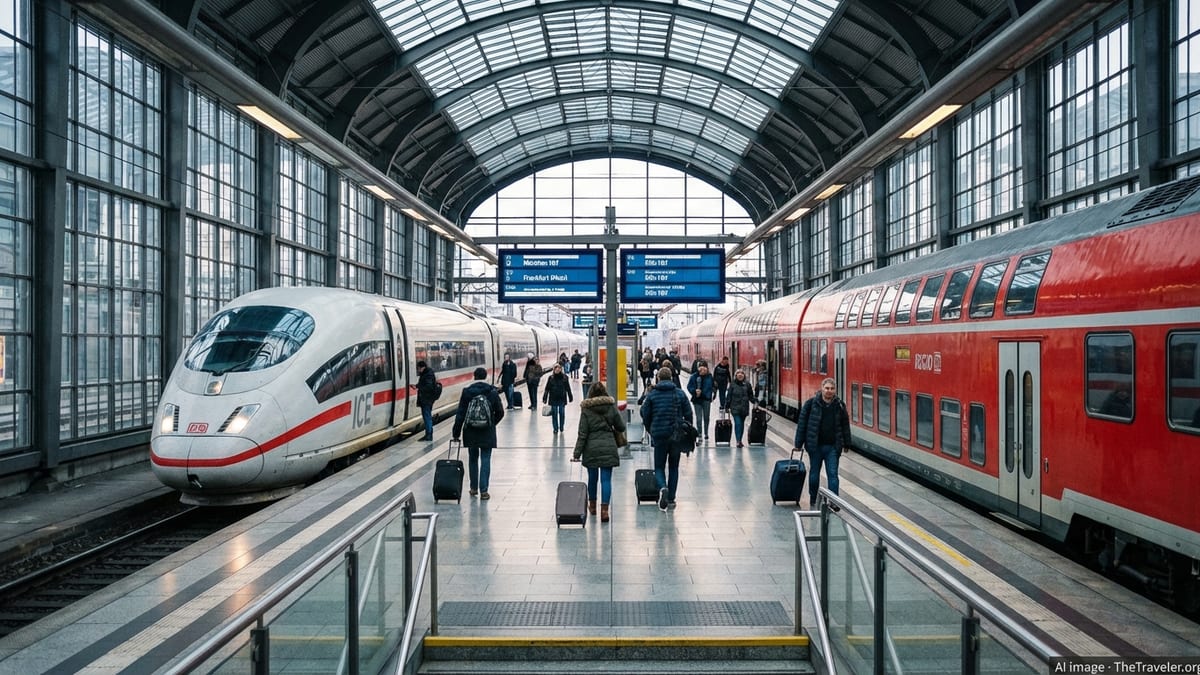
Inspections reveal structural concerns in Bonn fleet
According to recent regional coverage, Stadtwerke Bonn (SWB) initiated extensive checks on its light rail vehicles after internal monitoring and technical assessments pointed to possible fatigue in key structural components. The inspections reportedly identified indications of material stress in a subset of cars, prompting the operator to take a precautionary approach and withdraw a significant number of units from daily service.
Publicly available information indicates that the fatigue concerns relate to long term operational loads on the vehicles rather than an acute incident. The affected trains have operated for years on Bonn’s Stadtbahn network, including sections shared with the Cologne light rail system, and have been exposed to intensive daily use on both urban and regional runs. Engineers are now carrying out more detailed diagnostics to determine the precise extent of wear and to define the repairs required.
Authorities responsible for the network have framed the move as a safety first decision in line with common European rail practice, where evidence of possible rolling stock fatigue typically leads to temporary withdrawal while detailed tests and reinforcements are completed. The decision has immediate operational consequences but is intended to avoid more serious failures that could occur if the fleet continued to run without intervention.
Service reductions and substitute buses for commuters
The sudden loss of vehicle capacity has forced Bonn’s transit operator to thin out its light rail timetable and introduce bus replacements on several heavily used lines. Reports indicate that some Stadtbahn services are now operating at longer intervals, while others are partially or fully covered by buses, particularly during off peak periods and late evenings.
Commuters traveling between Bonn, its suburbs and neighboring Rhine cities are experiencing longer journey times and more crowded remaining trains. Peak hour services have been prioritized for the vehicles still available, resulting in sharper cuts on weekends and during the middle of the day. Passengers are being advised to check updated timetables and to allow additional time for connections, especially where transfers between rail and bus are required.
Local coverage notes that regional bus operators have been contracted to provide emergency capacity, but road congestion and limited bus fleets mean that substitute services cannot fully match the frequency and capacity of the withdrawn light rail vehicles. This has raised concerns among daily commuters, students and visitors who rely on the usually dense and punctual Stadtbahn network for cross river and cross regional travel.
Technical background: fatigue risk in rail vehicles
Structural fatigue in rail vehicles is a known engineering risk that develops over many years as a result of repeated loading, vibration and environmental influences. While modern tram and light rail fleets are designed according to strict European standards that account for millions of load cycles, real world operating conditions, such as track geometry, gradients and vehicle utilization, can accelerate wear on specific components.
Specialist literature on rail technology notes that high mileage vehicles are particularly susceptible to fatigue around bogies, underframes and areas where dynamic forces are concentrated. In systems like Bonn’s, where light rail trains share sections of infrastructure with regional services and operate at relatively high speeds, the combination of braking forces, curves and frequent stops can focus stress on certain structural zones over time.
Industry practice in Germany and elsewhere increasingly relies on predictive maintenance, non destructive testing and continuous monitoring to spot fatigue well before it leads to visible cracks or operational incidents. The mass withdrawal of vehicles in Bonn reflects this evolving approach: by reacting to early signs of potential fatigue, operators aim to intervene at a stage when repairs and reinforcements are still manageable, even though the short term impact on passengers can be considerable.
Impact on regional mobility and rider response
The withdrawal of a large group of light rail vehicles in Bonn comes at a time when regional policy in North Rhine Westphalia emphasizes public transport as a primary tool for reducing congestion and emissions. The Bonn Cologne corridor is one of western Germany’s most densely traveled urban regions, and the Stadtbahn lines form a central spine for commuting, shopping and leisure travel.
Observers in local media point out that the temporary capacity crunch risks undermining efforts to shift travelers from private cars to public transport. Longer waiting times and crowded trains may deter some occasional riders, while regular passengers have little choice but to adapt. Social media reactions suggest a mix of frustration over disrupted routines and cautious support for safety driven decisions, with many users acknowledging that early technical intervention is preferable to a serious incident.
Regional transport advocates are using the situation to call for accelerated investment in both new rolling stock and infrastructure maintenance. They argue that dense urban light rail networks require higher redundancy, so that safety related withdrawals do not immediately translate into widespread service cuts. The Bonn case is being closely watched by other German cities operating comparable fleets that are now reaching similar ages.
Next steps for repairs, replacements and funding
Publicly available information indicates that SWB and regional partners are currently assessing the full financial and technical scope of the repairs needed to return the withdrawn vehicles to service. This includes detailed structural analysis, potential reinforcement of affected components and, where necessary, partial rebuilding or retirement of the oldest units. The complexity of the tasks involved suggests that the reduced timetable could remain in place for an extended period.
Discussions are also focusing on the procurement of new rolling stock to modernize the Bonn fleet and increase long term resilience. In Germany, such investments are typically financed through a mix of municipal funds, state level transport programs and federal support for climate friendly mobility. Given the cost of new multi unit light rail trains, decisions on specifications, manufacturers and delivery schedules will have important implications for the network’s development over the coming decade.
For the moment, passengers are being encouraged to stay informed through operator announcements, media reports and on site signage at stations and stops. While there is no immediate timeline for a full restoration of the pre withdrawal service pattern, transport planners in the region are working within the available resources to maintain core connections and to adjust the emergency plan as more precise information about the condition of the fleet emerges.