


More news on this day
Plans for a high-profile residential cruise visit to India have been thrown into turmoil after hundreds of passengers on the Villa Vie Odyssey were told to effectively “abandon ship” and disembark in Cambodia amid a financial crisis at the operator.
Get the latest news straight to your inbox!
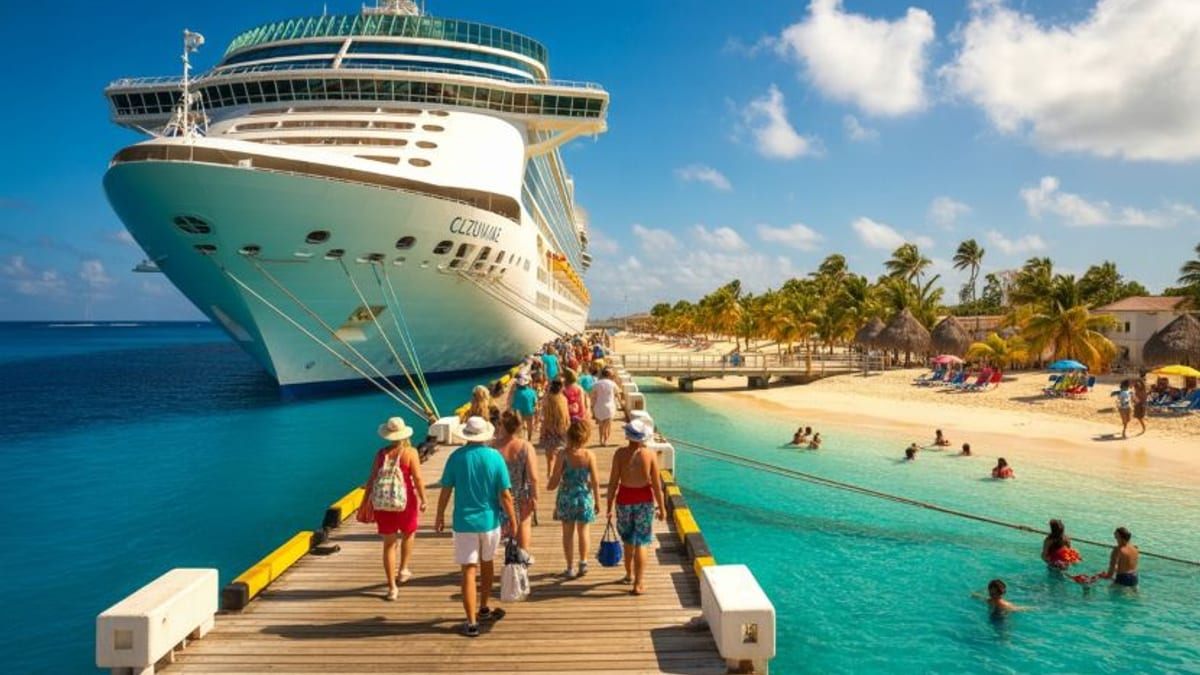
Residential cruise dream unravels in Cambodian port
According to multiple news reports, more than 200 people who had purchased long-term stays on the Villa Vie Odyssey were ordered to leave the ship this week in the coastal city of Sihanoukville, Cambodia. The vessel, operated by US-based Villa Vie Residences, had been marketed as a “cruise for life” concept, allowing residents to live at sea while slowly circling the globe.
Coverage from international outlets indicates that the company suspended operations after what it described as an extraordinary rise in fuel costs since the Iran conflict, saying the business model had become unsustainable. Publicly available information shows that the ship never reached its intended capacity of about 650 residents, peaking at roughly half that level, which exacerbated financial pressures.
Passengers posting online and speaking to media described receiving early-morning notices to pack up their cabins and prepare to leave the ship, with many reporting that they were left to arrange their own hotels and onward travel from Sihanoukville. Some residents had sold homes or spent their savings to buy units on board, treating the Odyssey as a permanent address rather than a typical cruise holiday.
The abrupt halt has turned what was promoted as a seamless, multi-year voyage into an emergency relocation effort, leaving many travelers negotiating refunds, insurance claims and last-minute flight bookings instead of planning their next port call.
India calls in jeopardy as Asia itinerary collapses
Itinerary details published by Villa Vie Residences as recently as 20 October showed the Villa Vie Odyssey scheduled to continue south and west across Asia. The ship was due to visit ports in Vietnam, Singapore, Malaysia and Thailand before sailing across the Bay of Bengal toward India, with stops flagged in local coverage for cities including Kolkata, Visakhapatnam and Chennai.
The decision to halt the voyage in Cambodia has effectively frozen that program. Reports from regional media note that there is currently no confirmed timeline for the ship to resume sailing or for any revised schedule that would include Indian ports. With the operator saying publicly it intends to seek fresh investment over the next 60 days, there is little clarity on if or when the planned India segment could proceed.
For India’s cruise and tourism authorities, the episode removes what had been billed as a showcase arrival for a new style of long-duration, residency-focused cruising. Industry publications in recent years have described India as an emerging priority market for major cruise brands, citing both outbound demand and ambitions to attract more international ships to ports such as Mumbai, Kochi, Goa and Chennai.
Instead of disembarking in India for cultural tours and extended shore excursions, Villa Vie Odyssey residents are now dispersing from Sihanoukville to airports across Southeast Asia, many seeking to salvage independent travel plans or return home while they await clarity on their investment in the ship.
Rising fuel costs expose fragile cruise business models
The Villa Vie Odyssey’s sudden stop has drawn attention to how vulnerable long-range itineraries can be to shifts in global fuel prices. In statements posted publicly and in accounts collated by international media, the operator pointed to surging bunker fuel costs since the onset of the Iran war as a key factor in suspending operations.
Residential and ultra-long cruises typically lock in complex routes months or years in advance, promising guests an almost continuous journey that can last for three years or more. Analysts quoted in recent coverage note that such models are particularly exposed when operating costs spike, because passengers have often already paid large sums up front for cabins that are treated more like real estate than a conventional cruise fare.
Information from industry reports suggests that “villa” suites on the Villa Vie Odyssey were marketed at prices around 440,000 dollars, with interior units near 120,000 dollars, positioning the product between mainstream cruising and ultra-luxury residential yachts. When anticipated economies of scale do not materialise, however, operators can be left with high fixed costs spread across fewer residents, leaving little room to absorb external shocks such as higher fuel bills.
The Cambodia incident is likely to fuel debate over how residential cruise ventures structure their finances and what protections are offered to guests who treat these ships as primary homes rather than discretionary holidays. Travel law specialists commenting in the press have highlighted the complex intersection of maritime rules, consumer protection frameworks and real-estate style contracts when voyages are interrupted mid-route.
Stranded passengers face logistical and legal uncertainty
For the travelers themselves, the immediate concern has been practical: where to sleep, how to reach their next destination and what happens to possessions that had been intended to remain on board for years. Accounts compiled by outlets such as Euronews and regional newspapers describe residents leaving with as much luggage as they could carry and trying to secure rooms in Sihanoukville as other disembarking guests did the same.
Several passengers have documented their experience on personal blogs and social media, describing a lack of clear information about assistance with accommodation or repatriation. Publicly available statements from the company refer to efforts to work through the situation, but reports indicate that guests have in many cases been advised to make their own arrangements while the operator reviews its options.
The disruption is especially acute for retirees and remote workers who had reorganised their lives around the ship’s schedule, giving up housing on land and arranging visas, mail forwarding and healthcare around a constantly moving address. Some residents are now weighing whether to remain in Asia and continue traveling independently or to book flights home and pursue potential claims against the operator through insurers, credit card providers or legal action.
Consumer advocates cited in international coverage say the case underscores the importance of examining contract terms, financial guarantees and contingency plans before committing to long-term cruise products. Unlike standard cruise holidays, which are usually covered by established package travel regulations in many markets, residential offerings can fall into more ambiguous territory depending on how they are sold.
Implications for India’s growing cruise ambitions
The Villa Vie Odyssey’s halted voyage comes at a time when India has been working to position itself as a significant player in global cruising, investing in terminal upgrades and policy reforms to attract more ships. Government documents and trade magazines have highlighted efforts in ports such as Mumbai and Chennai to streamline immigration and customs processes and create more efficient turnaround experiences for large ocean liners.
While the Odyssey incident stems from the operator’s financial and operational challenges rather than any policy issue in India, the cancellation of a planned call removes a potential opportunity to showcase Indian ports to a high-profile community of long-stay travelers. It may also prompt regulators and port authorities to look more closely at the contingency planning and financial resilience of visiting residential ships when approving itineraries.
Travel industry observers note that India is simultaneously nurturing its own coastal cruising sector, with domestic operators offering shorter voyages from ports including Mumbai, Kochi and Goa. For these companies, the international focus on the Villa Vie Odyssey could serve as a reminder that transparent pricing, realistic fuel planning and clear passenger protections are increasingly vital selling points in a competitive market.
For now, the most immediate impact is on the hundreds of residents suddenly deposited ashore in Cambodia, rather than in the Indian cities they had expected to explore in the coming weeks. Whether the Odyssey or similar residential concepts will eventually call at Indian ports may depend on how quickly confidence can be rebuilt after one of the most high-profile disruptions yet in the niche world of cruising at sea for life.