


More news on this day
Around 200 passengers on a yearslong residential cruise have been left scrambling for alternative plans in Cambodia after their U.S.-operated ship, the Odyssey, abruptly suspended its global voyage because of soaring fuel costs.
Get the latest news straight to your inbox!
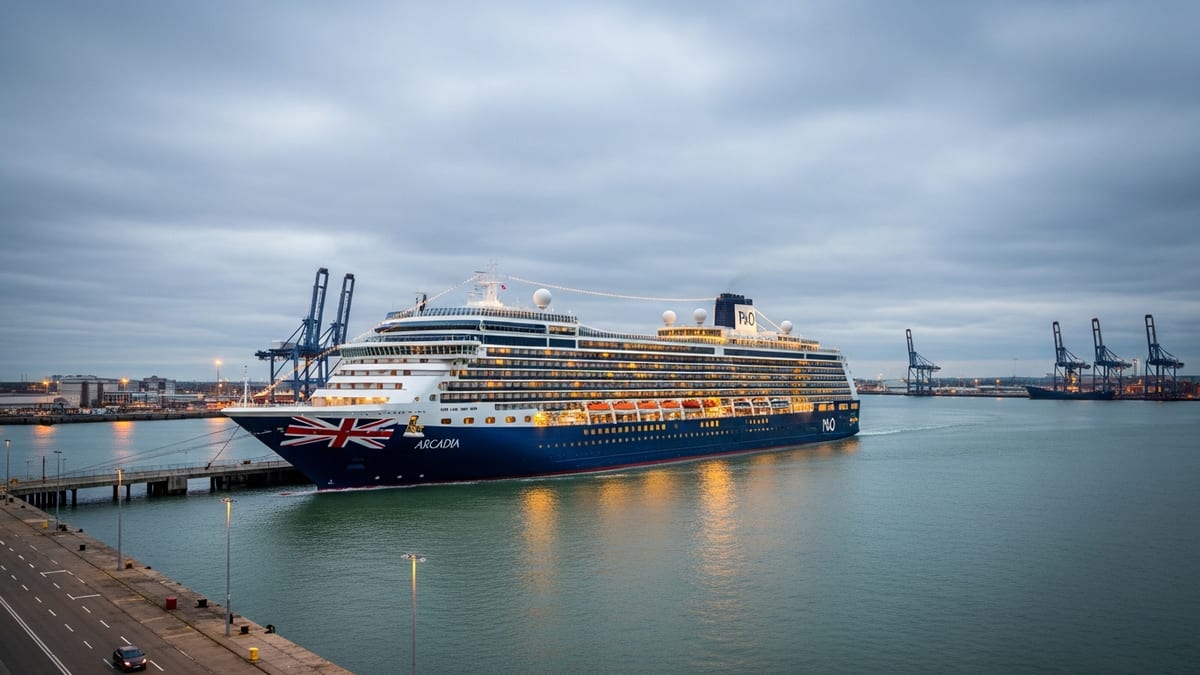
Residential world cruise cut short in Cambodian port
According to published coverage from The Associated Press and regional outlets, the Odyssey, a residential-style cruise ship marketed to long-term travelers, arrived at Sihanoukville Autonomous Port on October 23, 2026, for what was expected to be a five-day call before continuing to Vietnam. Instead, passengers were informed that the multi-year voyage would be suspended and that they would have to disembark in Cambodia.
Publicly available information indicates that the ship was carrying just over 200 residents from 15 countries, most of them from the United States, along with more than 150 crew members. The vessel had been operating well below its maximum capacity of about 650 residents, reflecting its niche role as a floating condominium rather than a conventional cruise ship.
The Odyssey had been promoted as a 3.5-year journey to all seven continents, combining the amenities of a cruise ship with the permanence of full-time or extended-stay living at sea. The voyage, which began two years ago, was scheduled to run through August 2030, giving buyers the option to purchase or lease cabins as long-term homes.
Reports indicate that the Cambodia stop was originally a routine port call on the Asia segment of the itinerary, rather than an emergency diversion. It became the ship’s effective final destination only after the operating company concluded that escalating costs made the remainder of the voyage financially unsustainable.
Fuel price shock cited as key factor behind suspension
In a statement cited by U.S. television affiliates and other outlets, Florida-based operator Villa Vie Residences said that fuel prices in parts of Asia had risen to levels that the current business model could not absorb. The company reported that monthly fuel expenses per cabin, which historically averaged around 1,800 dollars, had recently surged to an estimated 6,000 to 8,000 dollars amid continued geopolitical instability and shipping disruptions linked to the war in Iran.
The operator stated that it attempted to manage costs by reducing speed, stretching the itinerary and spending more time in port to cut fuel consumption. Publicly available information shows that despite those efforts, the jumps in bunker fuel prices and regional routing constraints still produced operating losses significant enough to jeopardize the entire program.
According to published corporate materials and media summaries, the company concluded that passing the full increase on to residents through sharply higher monthly service fees was not realistic for most passengers, many of whom had already invested substantial sums to purchase or long-lease their cabins. The operator has instead spoken of seeking restructuring options while prioritizing support for residents, crew and shore-based employees.
The situation highlights how residential and long-duration cruises, which rely heavily on predictable running costs over many years, can be particularly vulnerable to sudden swings in fuel prices and regional instability. Unlike shorter mainstream cruises that can be redeployed or shortened quickly, multi-year itineraries have fewer flexible levers once customers are already living on board.
Passengers face complex logistics and uncertain refunds
Coverage from international and Cambodian news organizations indicates that Odyssey residents were told to leave the ship in Sihanoukville without the continuation of their original itinerary. As of October 28, reports described an evolving situation in which passengers were arranging flights and overland travel from Cambodia to their home countries or onward destinations.
Many of the ship’s residents had treated their cabins as primary homes, selling or renting out land-based property before embarking. Public reporting suggests that for those travelers, the suspension has created immediate housing questions along with logistical challenges in repatriating belongings, including personal items that may still be stored on board or in company facilities.
Available information indicates that the company has pledged to assist residents with travel planning and transitional arrangements, though the specific scope of financial compensation and refund options has not been fully detailed publicly. Prospective outcomes are likely to vary depending on whether guests held outright cabin purchases, long leases or shorter-term stay packages.
Travel-industry analysts note that complex residential cruise contracts often involve both real estate style commitments and traditional cruise terms, which can lengthen any process of restructuring or reimbursement. Consumer advocates are watching closely to see how cancellation rules, force majeure clauses and insolvency protections are applied in a multi-year, live-aboard context.
Crew and future operations under review
While residents have been instructed to disembark, reports indicate that the status of the Odyssey’s crew remains less clear. The ship employed more than 150 staff members across hotel, technical and maritime roles, many of whom joined expecting stable, long-term contracts tied to the multi-year itinerary.
Publicly available information from earlier company announcements referenced ambitions to add a second residential vessel to the fleet around 2029. Recent statements on the suspension of the current voyage have not addressed the future of that planned ship, suggesting that any expansion plans are on hold while the operator evaluates its financial position and the feasibility of the residential-at-sea model under current fuel and insurance conditions.
Maritime and travel-industry observers note that crew repatriation and contract obligations are likely to be a major part of any restructuring effort. Past disruptions in the cruise sector have shown that moving hundreds of seafarers to their home countries and arranging new placements can add to the overall complexity and cost of any prolonged suspension.
Regulators and port authorities in the region are also monitoring the situation, given that sudden changes in residency cruises can affect local tourism spending, provisioning contracts and shore-side employment tied to regular calls.
Broader questions for long-term ‘living at sea’ ventures
The Odyssey incident comes at a time when several companies have been testing versions of the residential cruise and “floating condo” concept, pitching multi-year or even open-ended global voyages to remote workers, retirees and digital nomads. Published promotional materials for such projects typically emphasize the predictability of all-inclusive monthly fees and the appeal of visiting dozens of countries without the need for traditional real estate.
Analysts suggest that the sudden halt in Cambodia may sharpen scrutiny of how these ventures account for long-term risks such as fuel volatility, geopolitical tensions and regulatory changes. Events over the past several years have already shown how public health crises, conflicts and shipping disruptions can upend cruise itineraries across multiple regions.
For prospective residents, insurance coverage, financial safeguards and the fine print of cancellation and restructuring provisions are likely to receive greater attention after the Odyssey’s suspension. Consumer groups point to the current situation in Sihanoukville as a reminder that, while residential cruises offer an alternative lifestyle, they remain subject to the same market and geopolitical forces that affect the broader maritime industry.
As of late October, the operator has indicated that it is focused on supporting affected residents and staff while seeking a path forward. Until more details emerge about compensation, potential relaunch scenarios or asset sales, the hundreds of people who once planned to spend years circumnavigating the globe aboard the Odyssey are left weighing their next moves on land.