


More news on this day
Domestic air travel across Brazil faced fresh disruption as 68 flights were delayed and 14 services cancelled, with winter weather and capacity constraints affecting operations at major urban airports.
Get the latest news straight to your inbox!
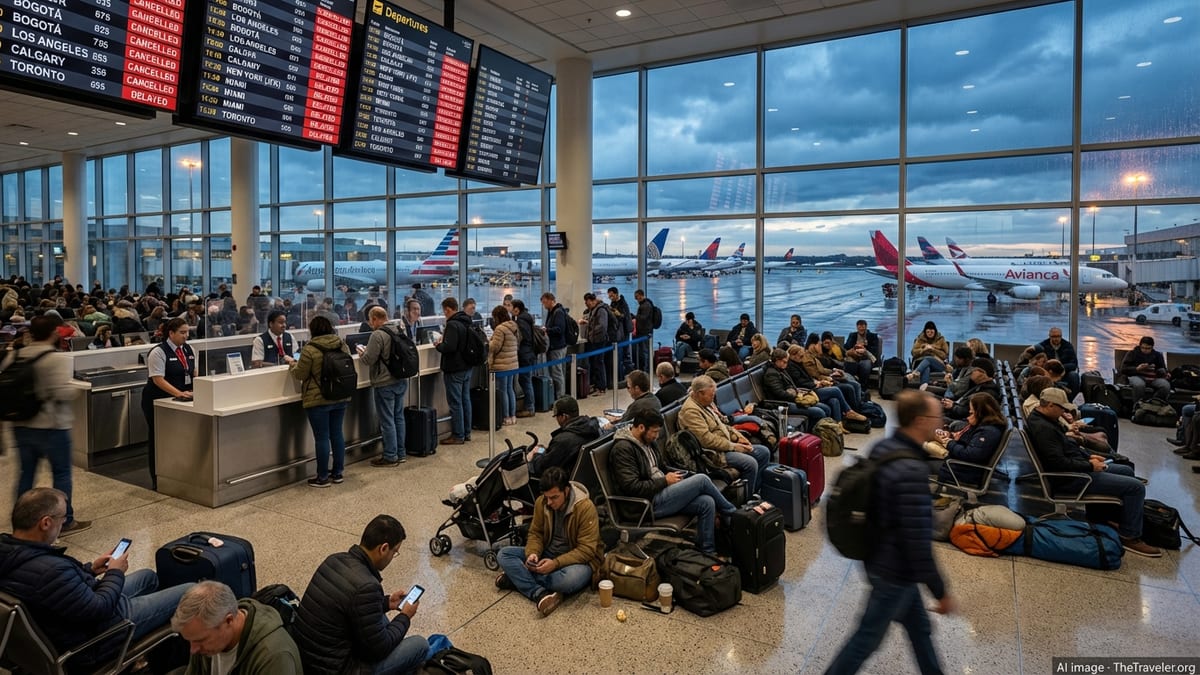
Delays Concentrated at São Paulo and Rio de Janeiro Hubs
Reports from Brazilian aviation trackers and local media indicate that the latest wave of disruptions has been concentrated at airports serving the country’s largest metropolitan areas, particularly São Paulo and Rio de Janeiro. Congonhas Airport in São Paulo, a key domestic hub, has experienced a cluster of delays and a double-digit number of cancellations, affecting passengers on popular business and leisure routes.
Operational data suggest that a portion of the 68 delayed flights involved services linking São Paulo with other major cities such as Brasília, Belo Horizonte, Curitiba and Porto Alegre. Several of the 14 cancelled services were scheduled peak-time departures, which created knock-on effects for subsequent rotations and complicated recovery efforts throughout the day.
In Rio de Janeiro, disruptions at both Santos Dumont and Galeão have been reported, although to a lesser extent than in São Paulo. Aircraft arriving late from fog-affected airports have contributed to a chain of delays on short-haul domestic legs, intensifying congestion during the morning and early evening peaks.
The concentration of delays and cancellations at these high-traffic hubs has magnified the impact on travelers, as many affected flights were part of multi-leg itineraries, resulting in missed connections and extended journey times across the domestic network.
Weather and Airspace Constraints Drive Operational Challenges
Seasonal winter conditions have been a significant contributor to the latest disruption. Low visibility caused by dense morning fog over parts of southeastern Brazil has led to temporary restrictions on landings and takeoffs at some airports, including those in the São Paulo region. When arrival and departure rates are cut, even for a limited period, flights are forced into holding patterns or ground delays, which can cascade across the day’s schedule.
Airspace management constraints have added another layer of complexity. When visibility or runway conditions deteriorate, air traffic control generally reduces movement rates for safety. This means airlines must hold aircraft at origin airports or re-sequence departures, extending turnaround times and compressing flight banks that would normally allow for smoother connections.
In some cases, publicly available information shows that carriers have preemptively cancelled select domestic services rather than operate them with excessive delays. While this approach can stabilize the broader network, it concentrates disruption on specific departures, particularly off-peak or lower-demand flights.
The combination of seasonal weather, tight aircraft utilization and busy terminal operations has exposed the limited buffers in Brazil’s domestic system, making it harder for airlines to recover quickly once the first wave of delays takes hold.
Passenger Impact: Missed Connections and Rebooked Itineraries
The immediate consequence for travelers has been long waits at airport terminals and the need to adjust itineraries at short notice. With 68 flights delayed, many by more than an hour, passengers have faced missed onward connections to smaller regional destinations that often operate only a few times per day.
According to published coverage and consumer reports, families and business travelers have encountered extended layovers and overnight stays after late-running flights from congested hubs arrived too late for last departures of the evening. In some cases, rebookings have required routing through alternate cities, adding additional segments and travel time to journeys that would normally be completed in a few hours.
The 14 cancellations have had a particularly disruptive effect in cities with limited alternative services. Where multiple carriers compete on trunk routes, some travelers have been able to switch to later departures, albeit with little advance notice. On thinner routes, however, the cancellation of a single frequency can leave passengers waiting until the next day, especially during busy periods when remaining flights are already heavily booked.
Travel advisers in Brazil often recommend that passengers build in longer connection windows during the winter months and monitor flight-status updates closely, particularly for early-morning departures from fog-prone airports. The latest disruption has underscored that advice, as tight itineraries have proven especially vulnerable to even minor schedule shifts.
Airlines Lean on Standard Contingency Measures
Brazilian carriers have responded to the latest disruption with a series of standard contingency measures. Publicly available statements and customer communications indicate that airlines are prioritizing rebooking affected travelers on the next available flights, waiving certain change fees, and in some cases allowing ticket credits for those who no longer wish to travel.
For same-day disruptions, ground staff have been reallocating passengers to remaining seats on later departures and, when capacity allows, upgauging aircraft on selected flights to accommodate those displaced by cancellations. Where operationally feasible, additional sections have been scheduled on high-demand routes to help clear backlogs, although aircraft and crew availability limit the extent to which this can be done.
Airlines are also relying on digital channels to manage the surge in customer inquiries. Mobile apps and messaging platforms have become key tools for pushing out revised departure times, boarding gate changes and rebooking options, reducing the need for passengers to join long lines at check-in counters and service desks.
Despite these efforts, the pace of recovery has varied across carriers, reflecting differences in fleet size, spare aircraft availability and crew positioning. Smaller operators with fewer backup options have faced greater challenges restoring schedules quickly after the morning peak of disruptions.
Know Your Rights When Flights Are Disrupted in Brazil
The disruption has renewed attention on the protections available to air travelers under Brazilian regulations. Public guidance from regulatory and consumer bodies explains that airlines operating domestic flights from Brazilian airports must provide forms of assistance when services are significantly delayed or cancelled, depending on waiting time and the cause of the disruption.
For shorter delays, support may be limited to information and updates on revised departure times. As waiting periods extend, passengers can become entitled to additional assistance such as vouchers for meals and refreshments, and, in cases of overnight disruption, accommodation and ground transport between the airport and hotel.
Compensation policies can vary based on whether disruptions stem from factors considered outside the airline’s control, such as severe weather or airspace restrictions, or from operational issues within the carrier’s responsibility. Travelers are generally advised to keep all receipts, boarding passes and written confirmations of delays or cancellations when seeking reimbursement or additional support.
Consumer organizations in Brazil encourage passengers affected by events like the 68 delays and 14 cancellations to review the conditions of carriage of their airline, consult official passenger-rights guides, and, if necessary, file formal complaints through recognized dispute-resolution channels. The latest disruptions are likely to fuel continued debate about how well existing protections match the rising volume of domestic air travel in the country.