

More news on this day
Travellers flying from Bristol Airport this summer are being warned to brace for disruption, as new analysis of UK flight data suggests the regional hub could be among the country’s worst performers for delays during the 2026 peak season.
Get the latest news straight to your inbox!
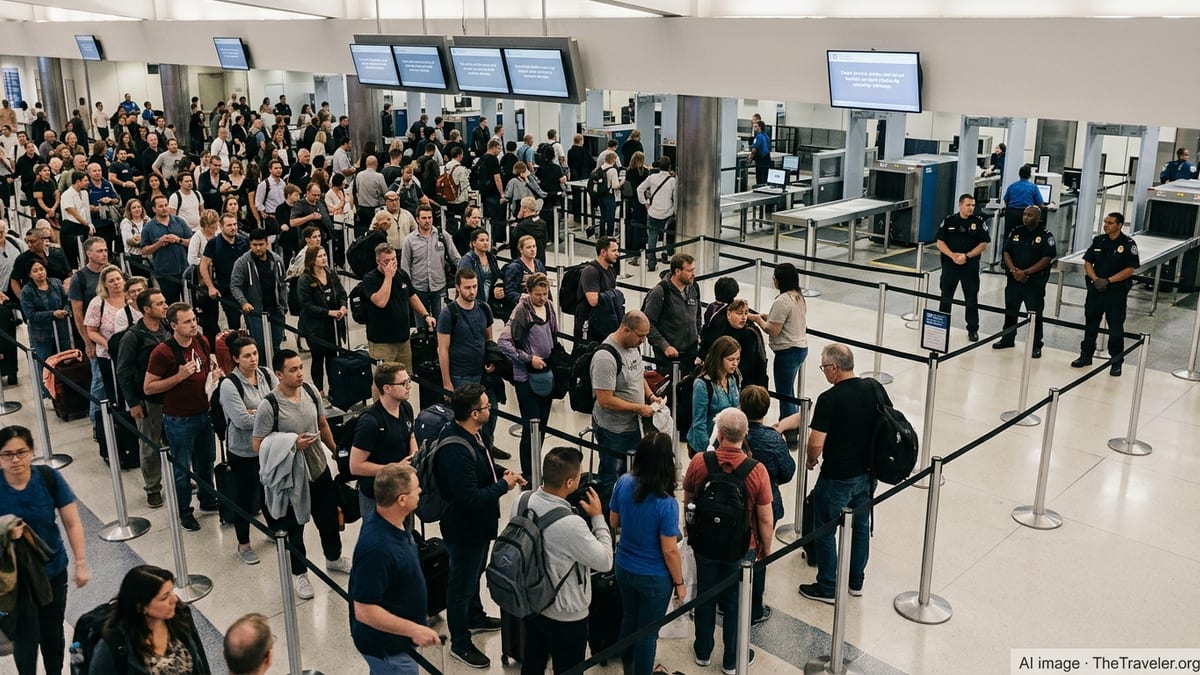
Data signals rising delay risk at Bristol
Recent disruption reports drawing on 2025 Civil Aviation Authority statistics and independent air travel studies indicate that Bristol Airport’s punctuality is under growing pressure heading into summer 2026. While London Gatwick and Manchester continue to dominate headlines for chronic congestion, Bristol is emerging as a concern for passengers across south west England and South Wales.
One major 2025 disruption survey of UK airports shows that roughly one in four flights departing Bristol were delayed last year, placing the airport close to national front-runners for schedule problems. Although Bristol handled fewer passengers than the country’s largest hubs, its proportion of disrupted services was comparable to several much bigger airports, including Gatwick, Birmingham and Luton.
The data suggests that Bristol is shifting from being viewed mainly as a convenient regional gateway to a location where the likelihood of a delayed departure is significantly higher than at some rivals. With summer demand now at or above pre-pandemic levels across much of Europe, analysts expect that any underlying punctuality issues at Bristol will be more exposed in the coming months.
The airport remains outside the absolute bottom of the national rankings in terms of average delay minutes, but the combination of rising passenger volumes and a relatively high share of late departures is prompting warnings from travel industry observers that Bristol could be one of the more challenging UK airports for on-time performance in the peak holiday weeks.
A busy regional hub under strain
Bristol has grown into one of the UK’s busiest regional airports, serving more than 10 million passengers a year and acting as a key gateway for holiday flights to Spain, Portugal, Greece and other Mediterranean destinations. That growth has been driven by the expansion of low-cost and leisure carriers, which have layered dense schedules of early-morning and late-evening departures onto a relatively compact airfield.
Industry reports note that this tight scheduling leaves limited room to absorb disruption from weather, air traffic control restrictions or knock-on delays from inbound aircraft. When operations are running smoothly the system can handle high throughput, but once a handful of flights fall behind schedule, the impact can quickly cascade through the day.
Bristol’s single-runway layout adds another structural constraint. Unlike larger multi-runway airports that can redistribute movements when one part of the airfield is affected, Bristol has fewer options to recover from disruption quickly. When combined with packed summer timetables, even short ground holds or arrival spacing imposed by air traffic control can translate into longer wait times for passengers in departures.
Local transport advocates have also highlighted the role of broader European network congestion. With many of Bristol’s flights operating to busy holiday hotspots, any bottlenecks at popular destinations can feed back into the airport’s own punctuality statistics, particularly during school holidays when aircraft and crew are flying close to their operational limits.
National picture: UK delays remain stubborn
The concerns around Bristol come against a wider backdrop of persistent delays across the UK airport network. Multiple recent compilations of national statistics show that average departure delays at major UK airports remain in the mid- to high-teens in minutes, despite efforts by airports and airlines to build in more resilience after the post-pandemic travel surge.
London Gatwick has repeatedly been identified as the country’s worst performer for average delays in recent years, with Birmingham, Manchester and some other major hubs also featuring near the bottom of rankings. Analysts note that the gap between the best and worst UK airports for punctuality has widened, meaning passengers’ experience can vary significantly depending on where they start their journey.
European-level reporting reinforces the picture of a congested summer ahead. Eurocontrol, the pan-European air traffic management body, has warned that a combination of record flight numbers, ongoing staffing challenges and weather-related disruption is likely to keep delay figures elevated in 2026. UK airports, which sit on some of the busiest air corridors in Europe, are expected to be especially exposed when storms or airspace restrictions hit.
In that environment, even mid-sized airports such as Bristol can find themselves struggling to maintain on-time performance. The wider network effect means that an aircraft departing late from a previous European leg can arrive behind schedule into Bristol, compressing turnaround times and making punctual departures more difficult to achieve throughout the day.
What summer passengers from Bristol can expect
For travellers departing Bristol between late June and the end of August, the statistics point to a heightened likelihood of schedule disruption compared with many other UK regional airports. While most flights still depart within a reasonable window of their planned time, a sizeable minority experience delays that can stretch into an hour or more during particularly busy or weather-affected days.
Travel specialists advise that holidaymakers using Bristol this summer should factor a realistic buffer into their plans, particularly when connecting to cruises, long-distance rail services or separate onward flights booked on different tickets. With a significant proportion of departures operating to popular leisure destinations, a single day of storms or air traffic restrictions can quickly lead to queues, gate changes and late-night arrivals back into the UK.
Passengers are also being encouraged by consumer groups to familiarise themselves with their rights under UK and European air passenger regulations in case of substantial delays or cancellations. While the causes of disruption frequently lie outside an airport’s direct control, compensation and care obligations often fall on airlines when flights depart late or are cancelled for reasons within carriers’ responsibility.
For now, Bristol remains an important and convenient hub for millions of travellers across the south west. But as peak-season pressure builds, the latest performance data suggests it is one of the airports where passengers should be especially prepared for the possibility that their holiday might start, or end, with a wait at the departure gate.