


More news on this day
Rising prices in Western Europe are quietly reshaping the classic city break, as value-focused travelers redirect their spending to Türkiye and Poland, where historic centers, lively festivals and comparatively low on-the-ground costs are redefining what a budget-friendly European escape can look like.
Get the latest news straight to your inbox!
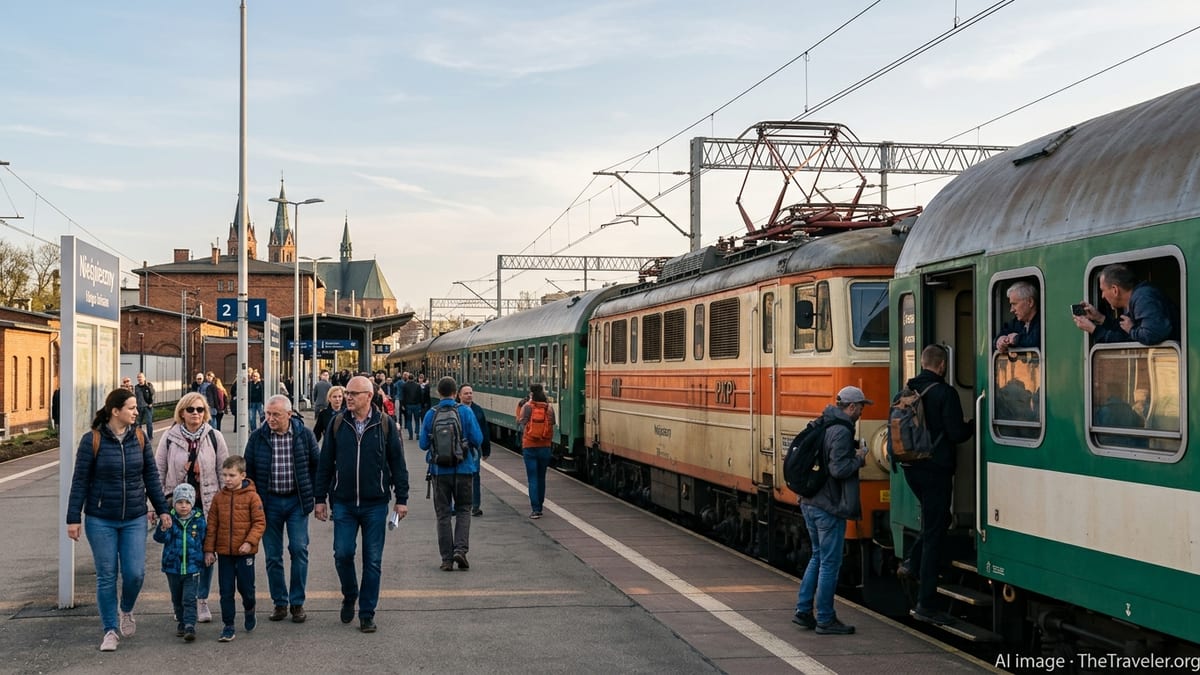
Value-Seeking Travelers Rethink the Classic City Break
Recent travel trend reporting suggests that budget-conscious visitors are recalibrating their expectations of a European city break, prioritizing cultural depth and affordability over marquee names in Western Europe. Analysts tracking card spending and booking data describe a shift toward value-led motivations, with travelers looking for destinations that combine heritage, local flavors and lower daily costs.
This pattern is particularly visible in Turkey, officially known as Türkiye, and in Poland, where major cities have invested heavily in culture, public transport and visitor infrastructure while remaining relatively affordable compared with cities such as Paris, Amsterdam or Barcelona. Publicly available tourism data show that both countries are seeing strong visitor numbers without the same level of price pressure reported across parts of Western Europe.
At the same time, industry-focused research from financial and tourism bodies notes that travelers are more willing to explore so-called “destination dupes,” choosing places that offer a similar aesthetic or cultural experience at a fraction of the price. In that context, cities such as Istanbul, Krakow or Gdańsk are increasingly positioned as credible alternatives to longer-established city break hubs on the Mediterranean and in Western Europe.
This combination of cost sensitivity and curiosity is giving Türkiye and Poland a strategic advantage. For visitors from North America and other long-haul markets, exchange rates and relatively modest accommodation and dining costs can make a long weekend or short multi-city itinerary feel significantly better value than a similar trip to Western Europe.
Türkiye’s Heritage Cities Pair Scale With Affordability
Türkiye’s tourism sector has been expanding rapidly, with official statistics indicating record revenues and tens of millions of international arrivals in 2024, led by Istanbul and the Mediterranean hub of Antalya. Investment promotion material and tourism industry reports highlight Istanbul’s position among the world’s most visited cities, underlining how the country’s largest metropolis has become a pillar of its visitor economy.
Despite that scale, a city break in Türkiye can still be markedly cheaper on a day-to-day basis than in many Western European capitals. Comparative travel budgeting sites consistently flag lower average prices for mid-range accommodation, public transport, street food and museum entry in Turkish cities. Visitors also benefit from a dense urban fabric where major sights cluster around historic cores, limiting the need for expensive transfers or tours.
Beyond Istanbul, mid-sized cities are emerging as drawcards for travelers who want heritage, festivals and value without big-city crowds. Coastal centers such as Izmir and the resort gateway of Antalya combine historic quarters, waterfront promenades and strong domestic air links, while central Anatolian cities and smaller coastal towns offer yet another layer of depth for return visitors looking to extend a city break into a broader regional itinerary.
For budget travelers, Türkiye’s domestic transport network is another advantage. Low-cost airlines, intercity buses and expanding rail options make it comparatively easy to combine, for example, a culture-heavy stay in Istanbul with a few days along the Aegean or Mediterranean, often at a lower total cost than a single long weekend in a high-demand Western European capital.
Polish Cities Gain Ground as Experiential, Low-Cost Hubs
Poland is also gaining visibility as a budget-friendly city break destination, with European travel coverage frequently citing it as an alternative to more expensive Western European stays. Reports from travel industry publications note that destinations in Central and Eastern Europe, including Poland, are benefiting from travelers’ search for lower prices without sacrificing atmosphere, food culture or nightlife.
Krakow, long known for its preserved medieval core and student-driven nightlife, anchors many first-time itineraries. Recent promotional material from the city positions it as an ideal short-break destination, pointing to a compact Old Town, extensive museum network and year-round cultural calendar. Independent travel guides continue to underline how hostel beds, simple hotels and local eateries remain relatively affordable, particularly outside peak holiday periods.
Other Polish cities are now sharing the spotlight. Gdańsk on the Baltic coast is frequently cited by travel writers as comparatively inexpensive for a European port city, while still offering a reconstructed historic center, waterfront bars and easy access to nearby beaches. Wrocław, a southwestern city laced with rivers and islands, is promoted in tourism guides as a convenient base for exploring Lower Silesia, with strong rail connections and a growing reputation for festivals and outdoor events.
Budget comparison tools that track accommodation and meal prices across cities often rate Polish urban centers as significantly cheaper than Western European capitals for similar standards of lodging and dining. For travelers who prioritize museums, walking tours and neighborhood exploration over luxury shopping, that gap can translate into longer stays, richer experiences or the ability to visit two or more Polish cities within the cost of a single weekend elsewhere.
Festivals and Cultural Calendars Stretch the Travel Dollar
Festivals have become a key element in how Türkiye and Poland market their cities to international audiences, particularly those seeking more from a break than a checklist of major monuments. Travel trend reports for 2025 highlight a broader move toward experiential travel, including music, food and cultural events that allow visitors to feel embedded, even briefly, in local life.
In Türkiye, large-scale public celebrations and themed festivals in Istanbul, Antalya and other cities range from film and jazz events to gastronomy-focused weeks and neighborhood street parties tied to national holidays. Many of these are free or low-cost to attend, reducing the amount visitors have to allocate to ticketed attractions. Evening events that spill into public squares also enable travelers to experience the city after dark without the expenses typically associated with nightlife districts in pricier destinations.
Poland’s urban festivals follow a similar logic. From summer music events that take over parks and riverbanks in Warsaw, Krakow and Wrocław to Christmas markets that draw visitors to historic squares in December, the country’s cities offer a steady calendar of reasons to visit outside the traditional high season. Travel media reports indicate that these events are helping extend stays, as visitors add extra nights to attend concerts, light festivals or seasonal markets.
Importantly for budget travelers, these festival periods often sit on the shoulder of peak pricing. While major events can push up demand, Poland’s wider inventory of guesthouses, apartments and mid-range hotels still compares favorably with Western Europe, allowing price-sensitive travelers to enjoy big-event energy without a corresponding spike in overall trip costs.
Blending Heritage, Modern Infrastructure and Exchange-Rate Advantages
Underlying the appeal of Türkiye and Poland is a mix of deep-rooted heritage and modern infrastructure that resonates with travelers looking for substance and convenience at a fair price. In both countries, major city centers are anchored by restored historical districts and landmark monuments, ringed by public transport systems that make it relatively easy for visitors to navigate without relying on taxis or private transfers.
Publicly available economic analyses emphasize that currency dynamics and local price levels continue to support the perception of value in these markets, particularly for travelers arriving with stronger currencies. Even as hotel and restaurant prices have risen in response to global inflation, the gap with Western Europe often remains wide enough to keep Turkish and Polish city breaks in the “affordable” column for many international visitors.
For tourism boards and local businesses, this moment presents both an opportunity and a challenge. Maintaining the sense of value that currently draws travelers while managing rising demand and protecting historic neighborhoods will be central to the long-term sustainability of this trend. Industry observers are watching closely to see whether these destinations can preserve their affordability advantage even as they gain prominence in global rankings and travel reports.
For now, the combination of living heritage, energetic festival scenes and relatively modest day-to-day costs suggests that Türkiye and Poland will remain at the forefront of a redefined European city break, one in which travelers look beyond the traditional westward circuit in search of experiences that feel both authentic and financially attainable.