


For travelers who want long days on the bike or trail followed by Champagne in a 16th‑century villa rather than a no‑frills guesthouse, Butterfield & Robinson is a name that comes up again and again. Often cited by travel advisors and magazines as one of the world’s top luxury active outfitters, the Toronto‑based company has spent decades refining the art of pairing physical adventure with high‑touch service, exceptional food, and character‑rich hotels. Understanding what Butterfield & Robinson is and why it has such a devoted following helps clarify what “luxury active travel” really means in practice.
Get the latest updates straight to your inbox!
What Is Butterfield & Robinson?
Butterfield & Robinson is a specialist tour operator that designs high‑end biking, walking, and multi‑active trips in destinations around the world. Founded in 1966 by George and Martha Butterfield and her brother Sidney Robinson, it began with guided bicycle trips for North American students in Europe and gradually evolved into a company focused on affluent adults who wanted to travel actively without sacrificing comfort. Today, it is widely credited in the travel industry with pioneering the concept of luxury active travel, where days on the move are matched with refined accommodation, thoughtful cultural experiences, and attentive on‑the‑ground support.
Headquartered in Toronto, the company now runs small‑group scheduled departures, fully private custom journeys, and self‑guided itineraries on six continents. Its portfolio includes everything from wine country cycling in France and Portugal to hiking in Peru and biking in remote parts of New Zealand. Per‑person prices for its small‑group trips typically start in the range of about 6,000 to 8,000 US dollars for six days in regions like Italy’s Puglia or Portugal’s Alentejo, climbing well above 10,000 dollars for longer or more complex itineraries such as Japan walking trips or New Zealand biking journeys that include boat charters and stays in high‑end lodges.([butterfield.com](https://www.butterfield.com/?utm_source=openai))
Rather than trying to serve every segment of the travel market, Butterfield & Robinson keeps a narrow focus: travelers who value active days but insist on serious comfort, insider access, and the peace of mind that comes with meticulous planning. Its trips attract a mix of couples, extended families, multigenerational groups, and solo travelers, many of whom return year after year and treat B&R as their default way to explore new regions.
How Butterfield & Robinson Pioneered Luxury Active Travel
When Butterfield & Robinson launched in the 1960s, the idea of paying for an organized bicycle tour, let alone a luxury one, was unusual. Early brochures talked about traveling Europe “in a relaxed and leisurely fashion,” with time for seminars on history and long days cycling through the countryside rather than racing from city to city.([butterfield.com](https://www.butterfield.com/get-inspired/aging-like-fine-wine?utm_source=openai)) At a time when many tours focused on bus travel and quick photo stops, this emphasis on slow, human‑powered movement and deeper learning stood out.
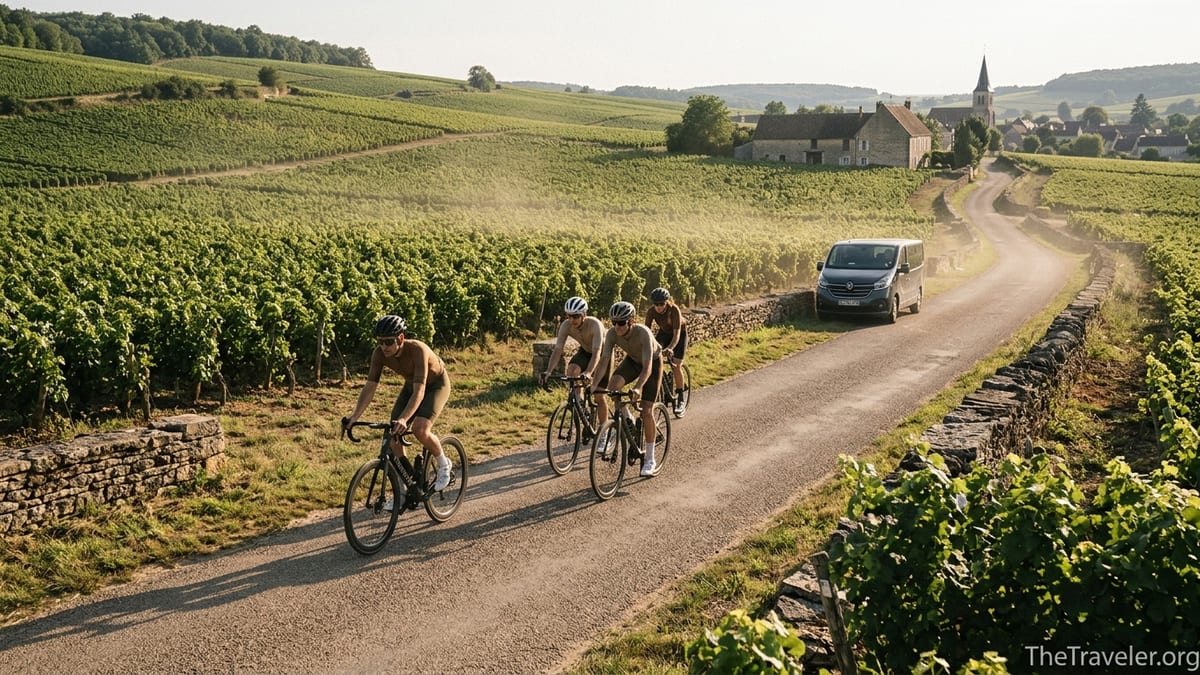
As its clientele grew older and wealthier, the company adapted the same slow‑travel philosophy to more upscale expectations. Students sleeping in basic pensions became professionals staying in restored chateaux and boutique design hotels. Long cycling days were still present, but now supported by multiple guides, a dedicated support vehicle, and carefully curated meals at private estates or chef‑driven restaurants. That blend of exertion and indulgence effectively created a new niche in the market: trips that appealed to travelers who found traditional bus tours too passive and pure adventure travel too spartan.
Over time, Butterfield & Robinson expanded from Europe into other regions while keeping its core recipe intact. A week of biking in Burgundy might be mirrored by truffle hunting and Barolo tastings in Piedmont, or by vineyard rides and riverfront stays in Portugal’s Douro Valley. In each case, the trip design followed the same logic the founders sketched out decades ago: move slowly under your own power, stay where you would happily linger for days, and weave in meaningful contact with local people along the way.([butterfield.com](https://www.butterfield.com/?utm_source=openai))
What “Luxury Active” Really Means on a B&R Trip
The term “luxury active travel” can sound abstract until you look at the practical details of a typical Butterfield & Robinson itinerary. Take, for example, a small‑group biking trip in New Zealand. Travelers might spend nine days cycling sections of the Alps to Ocean trail, pedaling between remote lakes and small towns, with B&R guides leading the rides and a support van on hand so guests can ride as much or as little as they like. Evenings are spent in boutique lodges and historic properties, with multicourse dinners and New Zealand wine pairings. Per‑person prices for this kind of trip start around 18,000 US dollars, reflecting both the logistical complexity and the level of accommodation.([butterfield.com](https://www.butterfield.com/trip/small-group/new-zealand-biking?utm_source=openai))
By contrast, a six‑day walking and hiking trip in Sicily might cost closer to 8,500 US dollars per person and include guided explorations of baroque towns, coastal trails, and the slopes near Mount Etna. Guests could start in a grand seafront hotel in Siracusa, continue through hilltop villages, and enjoy private tastings of local wines and olive oils. The walking distances are designed to be challenging enough to feel rewarding but flexible enough that travelers of varying fitness levels can participate, often with options to shorten or extend each day’s route.([butterfield.com](https://www.butterfield.com/trip/small-group/sicily-walking-hiking?utm_source=openai))
Across regions and trip types, three threads define the “luxury active” style with B&R. First, there is a strong emphasis on pacing: itineraries usually limit hotel changes, build in relaxed lunches and unhurried breakfasts, and avoid very early starts whenever possible. Second, the company pays close attention to where guests sleep and eat, favoring historic inns, design‑forward boutique hotels, or secluded lodges along with meals that highlight local ingredients and culinary traditions. Third, guests do not need to worry about logistics. Luggage is transferred door to door, bikes and gear are fitted and maintained by staff, and all route planning, reservations, and back‑up plans are handled behind the scenes.
Signature Experiences and Destinations
Butterfield & Robinson’s reputation is built on specific kinds of experiences in particular places rather than broad marketing slogans. In Europe, for example, its classic wine‑country bike trips remain a core draw. In Burgundy, guests might ride quiet vineyard roads between Beaune and Nuits‑Saint‑Georges, break for cellar visits at family‑run domaines, and stay in a converted manor house surrounded by vines. In Portugal’s Douro Valley, days can involve cycling along terraced hillsides overlooking the river before arriving at a quinta that doubles as both winery and country hotel, where a winemaker’s dinner showcases local ports and reds.([butterfield.com](https://www.butterfield.com/?utm_source=openai))
Outside Europe, the company has invested heavily in designing trips that balance adventure with comfort in more remote settings. In Peru, a seven‑day hiking itinerary might pair day hikes in the Sacred Valley with a carefully timed visit to Machu Picchu, avoiding the most crowded hours. Travelers can stay in stylish Andean lodges and converted colonial mansions rather than rustic dormitories, with private guides explaining Inca history and contemporary Andean culture. In countries like Rwanda, itineraries often combine gorilla trekking with stays in conservation‑focused luxury lodges and visits to community projects supported by the company’s philanthropic arm.([butterfield.com](https://www.butterfield.com/?utm_source=openai))
More recently, Butterfield & Robinson has expanded into travel by sea and multi‑country journeys, reflecting trends in the high‑end market. For example, it develops itineraries that combine cycling and hiking onshore with time aboard small luxury yachts, allowing guests to access quieter coastal villages and islands with a level of privacy not possible on large cruise ships. A typical week might involve morning rides on little‑used coastal roads, lunch at a harbor taverna, and evenings on deck as the yacht sails to the next bay.([butterfield.com](https://www.butterfield.com/?utm_source=openai))
Service, Guides, and Behind‑the‑Scenes Detail
Ask frequent B&R travelers why they are willing to pay a premium, and many point to the company’s guides and the invisible infrastructure behind each trip. In small groups, there are usually at least two guides: one leading from the front and another managing the support vehicle. They handle everything from navigating rural backroads to arranging impromptu picnics or quickly sourcing an e‑bike when a guest decides that climbing another pass on a traditional road bike is not appealing. Multiple industry awards and mentions in travel publications emphasize that Butterfield & Robinson’s “experience designers” and on‑the‑ground teams are a key reason it regularly appears on lists of top tour operators.([butterfield.com](https://www.butterfield.com/press-and-awards?utm_source=openai))
Behind the scenes, B&R keeps trip group sizes deliberately small, often in the low teens, which affects everything from the type of routes selected to the restaurants that can host the group. This intimacy allows guides to adjust daily plans based on guests’ interests and energy levels. For example, if several guests are avid photographers, the guides might add a stop at a lesser‑known viewpoint above a Tuscan village. If others are more food‑focused, they might arrange a last‑minute cooking class in a farmhouse kitchen or a tasting at a local cheese producer. Travelers who have written about their experiences online often mention that there is usually at least one surprise element that feels impossible to arrange independently, such as a private opening of a small museum or a dinner in the home of a local winemaker.
The company also invests in staff whose job is to design and refine routes long before guests arrive. These “experience designers” test rides, scout hiking trails, and build relationships with hoteliers, chefs, and local guides. Condé Nast Traveler has recognized several of these specialists on its annual lists of top travel advisors, highlighting how their destination‑level expertise translates into polished itineraries for clients.([butterfield.com](https://www.butterfield.com/get-inspired/travel-journal/conde-nast-awards-11-of-butterfield-robinson-s-experience-designers-?utm_source=openai))
Price, Value, and How B&R Compares
Butterfield & Robinson operates at the upper end of the active travel market, and its pricing reflects that positioning. A six‑day European bike trip that starts near 7,000 US dollars per person will typically include most meals, activities, high‑quality hybrid or road bikes, support vehicles, guides, and top‑tier accommodation. Trips in remote destinations or those involving yachts, charter flights, or very exclusive lodges can climb into the mid‑five figures per person.([butterfield.com](https://www.butterfield.com/?utm_source=openai))
Travelers comparing options often look at B&R alongside other premium active or experiential operators. Some online discussions characterize Butterfield & Robinson as more upscale and more intimate than larger bike‑tour brands, with a stronger focus on distinctive hotels and bespoke experiences, while acknowledging that this generally means a higher price per day. Others note that B&R itineraries tend to attract a demographic that is comfortable with significant trip budgets and interested in combining physical activity with cultural depth rather than performance‑oriented riding or trekking.([reddit.com](https://www.reddit.com/r/FATTravel/comments/1293zi2?utm_source=openai))
For travelers deciding whether the cost is justified, it can be helpful to break down what they might otherwise spend organizing a similar trip independently. Booking five‑star boutique hotels in European wine regions, paying for private guides and drivers, and arranging luggage transfers between villages can quickly add up. When those items are bundled with well‑researched routes, high‑quality bikes, and the security of a support team, the per‑day price of a Butterfield & Robinson trip often appeals to those with limited planning time who would rather outsource the details while still traveling in a highly personalized way.
Current Trends and the Future of Butterfield & Robinson
Like the rest of the travel industry, Butterfield & Robinson has been adapting to shifts in traveler expectations in recent years. There is growing demand for flexible pacing and options like e‑bikes that make hilly destinations more accessible to mixed‑ability groups. The company has responded by offering e‑bikes on many of its cycling departures and designing daily routes with built‑in shortcuts or extensions. It has also expanded categories such as “multi‑active” trips, which blend biking and walking with activities like kayaking, cooking classes, or wine blending workshops.([butterfield.com](https://www.butterfield.com/?utm_source=openai))
Another notable trend is the rise of private and bespoke travel. Butterfield & Robinson reports a significant share of its business now comes from custom itineraries crafted for families, groups of friends, or corporate retreats. In practice, this might look like a three‑generation family chartering a full departure of an established Tuscany biking route and tailoring the daily schedule to include shorter rides for grandparents, more ambitious options for adult children, and age‑appropriate cultural visits for teenagers.([media.butterfield.com](https://media.butterfield.com/documents/butterfield-sales-sheet-2023.pdf?utm_source=openai))
Leadership changes in the company have aimed to safeguard its legacy while updating its offerings for a new era. Under current CEO Mike Scarola, Butterfield & Robinson has emphasized sustainable practices, investment in digital tools, and a continued focus on “slow” immersive travel rather than rapid box‑ticking itineraries. Recent communications highlight that all trips are carbon neutral and that the B&R Slow Fund supports grassroots projects in destinations the company visits, from conservation programs to community‑led cultural initiatives.([butterfield.com](https://www.butterfield.com/?utm_source=openai))
The Takeaway
Butterfield & Robinson occupies a distinctive corner of the travel world: it is neither a mass‑market tour operator nor a bare‑bones adventure outfitter. Instead, it serves travelers who want to move through landscapes under their own power while returning each night to excellent food, thoughtful service, and a comfortable bed. By combining decades of route‑building experience with a refined sense of hospitality, it has helped define what “luxury active travel” looks like in practice.
For some, the price point will feel steep compared with organizing a trip independently or joining a more basic group tour. For others, especially those juggling demanding careers or coordinating extended families across time zones, the appeal lies in being able to show up, clip into a well‑tuned bike or lace up hiking boots, and know that every detail from luggage transfers to dinner reservations has been anticipated. For travelers who recognize themselves in that description, understanding what Butterfield & Robinson offers is less about labels and more about deciding how they want to experience the world on their next journey.
FAQ
Q1. What types of trips does Butterfield & Robinson offer?
Butterfield & Robinson focuses on biking, walking and hiking, multi‑active, small‑ship, and custom private trips, all designed with a strong emphasis on comfort, food, and cultural immersion rather than purely athletic performance.
Q2. How much does a typical Butterfield & Robinson trip cost?
Pricing varies by destination and length, but many small‑group itineraries run roughly from the high 6,000s to around 10,000 US dollars per person for six or seven days, with more complex or remote trips often costing more.
Q3. Who is the typical Butterfield & Robinson traveler?
Most guests are well‑traveled adults, couples, and multigenerational families who value active days but also prioritize high‑quality hotels, excellent food, and attentive service, and who are comfortable investing significantly in their vacations.
Q4. Do I need to be very fit to join a B&R active trip?
You should be reasonably comfortable with several hours of activity a day, but most itineraries offer route options, van support, and access to e‑bikes on cycling trips so different fitness levels can participate.
Q5. What is included in the trip price?
Inclusions vary slightly, but generally cover accommodation, most meals, guides, support vehicles, equipment such as bikes, many activities, and luggage transfers, while international flights and some optional extras are usually separate.
Q6. How are Butterfield & Robinson trips different from standard bus tours?
Instead of moving by coach between major sights, guests primarily travel under their own power on foot or by bike, following carefully scouted routes that favor quiet roads and trails, and stay in smaller, character‑driven properties rather than large chain hotels.
Q7. Can Butterfield & Robinson organize a fully private custom itinerary?
Yes. The company’s bespoke department works with travelers and travel advisors to build tailor‑made trips, from family reunions in Tuscany to milestone celebrations that combine several regions or countries.
Q8. Does Butterfield & Robinson offer e‑bikes?
On many cycling departures, guests can reserve e‑bikes, which help make hilly or longer routes accessible to those who prefer to ride with less effort while still participating fully in the group experience.
Q9. How far in advance should I book a B&R trip?
Popular departures, especially in peak seasons in Europe and Japan, can fill many months in advance, so travelers who are fixed on particular dates or room categories are usually advised to book as early as they can.
Q10. Is Butterfield & Robinson suitable for families with children?
Yes, particularly for older children and teens who are comfortable biking or hiking for several hours; the company can adapt private itineraries to include gentler routes, family‑friendly activities, and flexible daily schedules.