


More news on this day
Malaysia’s civil aviation regulator is urging travellers to keep a close watch on airline notifications and flight status tools as global air travel disruptions converge with a surge in domestic demand during the school holiday period.
Get the latest news straight to your inbox!
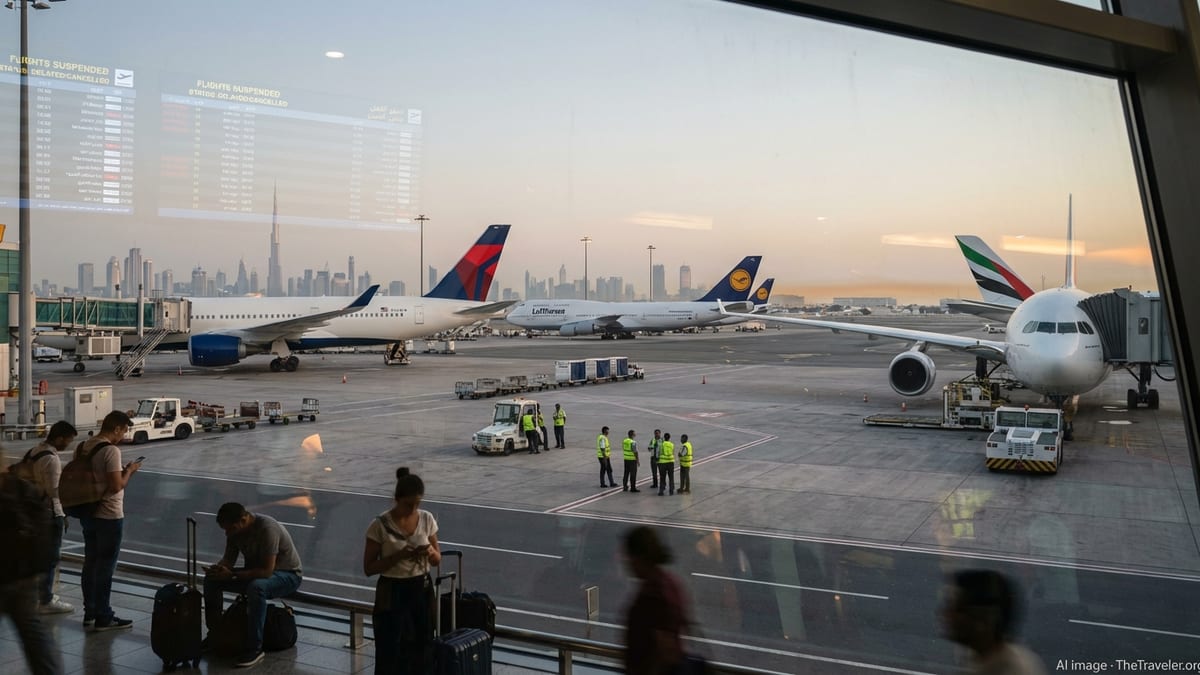
Global tensions ripple through airline networks
Air travellers worldwide continue to face schedule uncertainty as conflicts and airspace restrictions in parts of the Middle East and surrounding regions disrupt long haul corridors. Publicly available information shows that multiple airlines have adjusted routes, reduced frequencies or temporarily suspended services on paths that would normally traverse affected skies, adding strain across wider global networks.
Industry reporting indicates that when heavily used transit corridors are restricted or closed, carriers are often forced to reroute over longer paths, add fuel stops, or cancel services outright. These changes can create knock-on effects far from the original trouble spots, with aircraft and crew out of position and tight connection banks unraveling across hubs in Europe and Asia.
Recent coverage from aviation and travel outlets highlights a pattern of rolling delays, diversions and tactical cancellations affecting both point to point services and connecting itineraries. Even routes that do not directly cross conflict areas can experience disruption as airlines reassign aircraft or rebalance schedules to cope with shifting operational constraints.
Against this backdrop, aviation regulators in various countries have been advising passengers to verify their flight details repeatedly in the days and hours before departure, and to anticipate possible last minute changes to departure times, routings or aircraft type.
Malaysia’s school holiday rush heightens pressure
In Malaysia, these global strains are intersecting with a sharp seasonal upswing in passenger numbers as families take advantage of the school holidays. Local media coverage notes that key domestic routes to popular leisure destinations such as Penang, Langkawi, Sabah and Sarawak typically see load factors climb during break periods, while Kuala Lumpur International Airport experiences heavier check in, security and immigration queues.
This year, the overlap between external disruptions and the holiday rush is raising additional concern about congestion, missed connections and extended travel times. Reports indicate that some outbound travellers combining domestic and international legs on a single journey are particularly exposed, as a delay on an early sector can cascade into missed onward flights at regional hubs.
Publicly available information from Malaysia’s aviation authorities and airport operator points to coordinated efforts to manage crowding and maintain safety standards, including encouraging early airport arrival and the use of self service facilities where possible. However, observers note that even well prepared passengers may face longer waits if upstream flight schedules continue to shift in response to external shocks.
Travel industry commentators in the country suggest that families with fixed dates around the school break are less able to defer trips, which may result in more people choosing to travel despite heightened uncertainty over exact timings. This dynamic can translate into fuller flights, limited spare capacity for reaccommodation and busier customer service channels when problems arise.
CAAM message focuses on real time information
Within this context, the Civil Aviation Authority of Malaysia has amplified messaging that emphasizes the importance of monitoring official channels for updates. According to recent public advisories and media summaries, the regulator is encouraging passengers to check their flight status directly with airlines, use mobile applications and subscribe to notification services in order to receive real time information on any changes.
Available guidance highlights that schedule adjustments can be made at short notice when airlines react to evolving airspace conditions, crew duty limits or operational bottlenecks. Travellers are therefore urged to avoid relying solely on older itinerary printouts or third party confirmation emails and instead verify information repeatedly in the lead up to departure.
Consumer focused coverage also notes that CAAM’s stance aligns with broader global practice during periods of volatility in aviation. In other jurisdictions facing similar conditions, civil aviation bodies have likewise steered passengers toward direct communication with carriers and airport operators, while reinforcing that safety considerations may require dynamic schedule management.
The emphasis on personal vigilance reflects a recognition that digital tools now play a central role in how airlines disseminate time critical operational changes. For travellers, keeping devices charged, ensuring roaming or Wi Fi access, and enabling airline app notifications can be as important as traditional preparation such as printing boarding passes or arriving early.
Airlines adjust operations and offer flexibility
Airline statements and published news reports indicate that carriers serving Malaysia are continuing to fine tune their schedules as the situation evolves. Some operators have introduced temporary frequency cuts or aircraft swaps on selected routes, while others have retimed flights to avoid the most congested parts of regional airspace.
In line with practices reported in other affected markets, many airlines are offering varying degrees of flexibility for passengers whose travel plans are disrupted. Options commonly described in public information include free date changes within a certain window, rebooking on alternative routings, or, in some cases, refunds or travel credits, subject to the original fare rules.
Travel agents and comparison platforms monitoring these developments caution that the specific remedies available can differ widely between carriers and ticket types. Passengers who booked via intermediaries may need to liaise with their agent as well as the airline, while those on promotional or basic economy fares may face more restrictive conditions than travellers on flexible tickets.
With school holiday demand tightening seat availability on some popular dates, observers warn that even where policy allows changes, finding suitable alternatives can be challenging. Passengers may need to consider different travel times, indirect routings via secondary hubs, or even switching airports within Malaysia to secure an workable option.
Practical steps for Malaysian travellers
As the school holiday period progresses, travel specialists and consumer advocates in Malaysia are outlining practical steps that can help reduce the risk of severe disruption. These include building in longer connection times between domestic and international segments, especially when using separate tickets, and allowing extra time at airports where queues are expected to be heavier.
Public guidance also stresses the value of confirming all segments of a journey the day before travel, and again on the day of departure, paying attention not only to departure times but also to any gate changes or aircraft swaps that might affect seat assignments or special requests. Travellers are encouraged to keep key documents such as passports, booking references and any airline communications easily accessible in case rebooking becomes necessary.
For families traveling with children, some Malaysian commentators note that preparing for possible waits by bringing snacks, entertainment and essential medications can make unforeseen delays more manageable. Those with tight onward commitments, such as tours or hotel check in times, are advised to communicate early with service providers if their arrival time appears likely to change.
While the broader geopolitical and operational drivers of the current disruptions remain outside the control of individual travellers, aviation observers suggest that a combination of careful planning, close monitoring of official updates and realistic expectations about potential delays can help Malaysians navigate a busier and less predictable holiday travel season.