


More news on this day
Canada has added a new caution for 2SLGBTQI+ travellers to its official advisory for Türkiye, warning that queer visitors may face discrimination, harassment and violence amid an increasingly restrictive environment for LGBTQ-focused events and activism.
Get the latest news straight to your inbox!
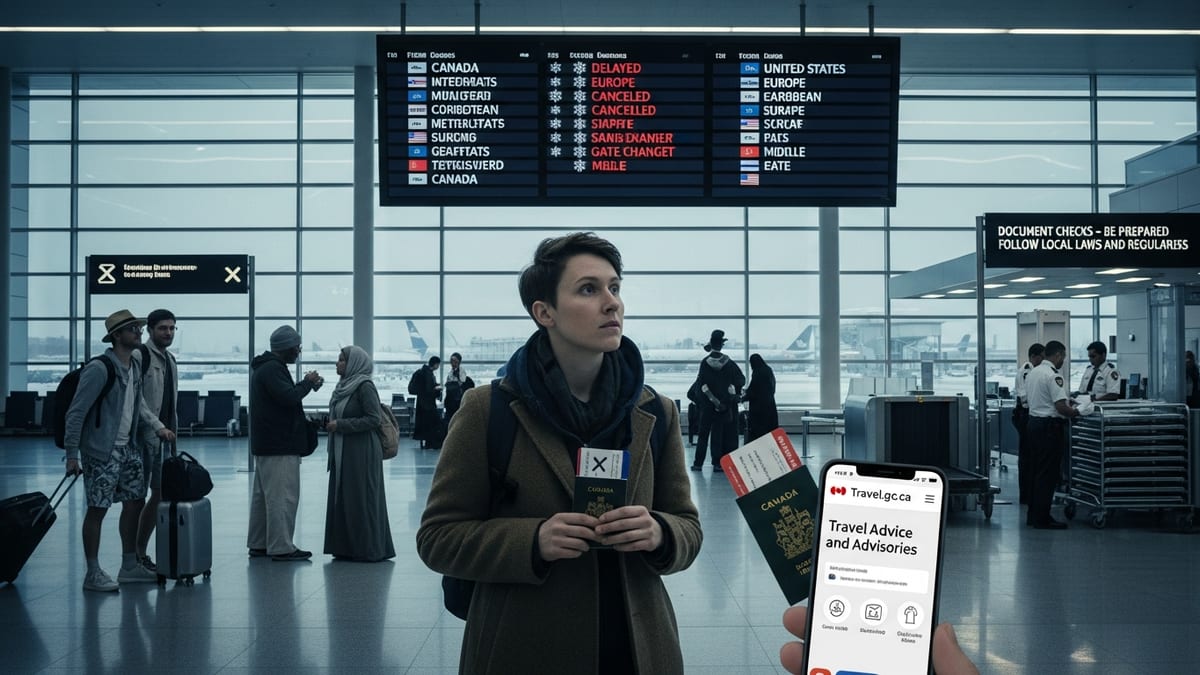
Advisory updated with explicit 2SLGBTQI+ caution
Canada’s travel advice page for Türkiye now includes a dedicated section on 2SLGBTQI+ persons, updated on 22 September 2026 as part of a broader safety and security review. The overall risk level for the country remains “exercise a high degree of caution” for most of Türkiye and “avoid all travel” within 10 kilometres of the borders with Syria and Iraq, but the language aimed at queer travellers has been strengthened.
The advisory notes that sexual acts between people of the same sex are not criminalized in Turkish law. However, it states that homosexuality is not widely accepted socially and that 2SLGBTQI+ persons can face discrimination, harassment and violence based on sexual orientation, gender identity, gender expression or sex characteristics.
Travel.gc.ca further stresses that 2SLGBTQI+ persons should carefully consider the risks of travelling to Türkiye. The warning aligns the country with a growing list of destinations where Canada is flagging specific legal and social risks for queer travellers abroad.
Restrictions on Pride events and public assembly
The revised advisory draws attention to the treatment of LGBTQ-focused gatherings and activism in Türkiye. Publicly available information shows that local authorities have repeatedly restricted Pride marches and related events in major cities in recent years, often on grounds of public order or morality.
According to recent media coverage, Pride events in Istanbul and other urban centres have frequently been banned or broken up by police, with reports of detentions and use of crowd-control tactics. Rights groups have documented instances in which participants and observers were arrested or dispersed when attempting to hold marches despite local prohibitions.
Canada’s advisory reflects this pattern by warning that 2SLGBTQI+ events and gatherings may be subject to local government bans and that protestors and activists have been arrested. For would-be visitors, these conditions mean that public expressions of LGBTQ identity, particularly in large organized settings, may draw official scrutiny and carry legal risk.
Practical implications for Canadian 2SLGBTQI+ travellers
The new wording on Türkiye is framed within Canada’s broader guidance on “travel and your sexual orientation, gender identity, gender expression and sex characteristics.” That general guidance urges 2SLGBTQI+ travellers to research both laws and social attitudes in destination countries and to be cautious with public displays of affection where discrimination is prevalent.
For Türkiye specifically, Canadian travellers are advised to weigh their comfort level with potential harassment in public spaces, increased attention from security officials and the possibility that LGBTQ-focused venues or events could be monitored or shut down. The advisory also notes that people with an “X” gender identifier in their Canadian passport may experience entry or transit difficulties in countries that do not recognize non-binary markers, and recommends confirming requirements with Turkish authorities in advance.
In addition, the Türkiye page reiterates general security concerns that may affect all visitors, including the threat of terrorism, sporadic demonstrations and petty crime. Canadian consular services recommend that travellers review their insurance coverage, keep identity documents secure and stay informed of local developments, especially in major cities and around political gatherings.
Türkiye’s legal context and regional comparisons
Türkiye occupies a complex position in the region when it comes to LGBTQ issues. Same-sex sexual activity is legal, and there is no explicit criminal ban on LGBTQ organizations or informational activities. At the same time, there are no nationwide anti-discrimination protections on the basis of sexual orientation or gender identity, and officials in conservative-leaning provinces have made broad use of public morality and public order provisions to limit queer visibility.
International human rights organizations have reported increasing pressure on civil society, including LGBTQ groups, over the past decade. Court cases and administrative decisions have targeted Pride marches, student associations and cultural events, contributing to an atmosphere in which many queer residents and visitors report feeling compelled to remain discreet in public settings.
Canada’s decision to explicitly identify 2SLGBTQI+ risks in Türkiye follows earlier moves to highlight similar concerns in other destinations, including the United States, where changes in state-level legislation affecting LGBTQ people and their families have prompted updated language in federal travel guidance. The evolving advisories reflect an approach in which social hostility and administrative obstacles are treated as significant safety factors for travellers, even in countries without formal criminal bans on same-sex relations.
What travellers should check before booking
Canadian residents planning a trip to Türkiye are encouraged to review the Türkiye advisory page, along with the general guidance for 2SLGBTQI+ travellers, both when planning and again immediately before departure, as updates can be frequent. The Türkiye page was most recently updated in late September 2026, while the overarching guidance on sexual orientation and gender identity is reviewed periodically as legal frameworks change in destination countries.
Before booking, travellers may wish to research recent local reporting on LGBTQ issues in the Turkish cities they intend to visit, particularly Istanbul, Ankara, Izmir and popular coastal resorts. Monitoring whether Pride events, film festivals or community gatherings have faced bans or police intervention in the past season can help travellers assess current conditions on the ground.
Canadian officials recommend that all citizens travelling abroad register their trip, carry contact details for the nearest Canadian embassy or consulate and share itineraries with trusted contacts at home. For 2SLGBTQI+ travellers heading to Türkiye, the new advisory language underscores the importance of understanding both formal laws and informal social norms, and of making informed decisions about visibility, participation in public events and route planning throughout their stay.