


More news on this day
Canada has issued an urgent update to its travel advice for France, calling on Canadian travellers to exercise a high degree of caution as unrest, security alerts and large demonstrations disrupt major cities and key tourist areas.
Get the latest news straight to your inbox!
Advisory for France raised as tensions escalate
The Government of Canada’s official travel advice for France was updated on October 28, 2026, with the overall risk level set at “exercise a high degree of caution.” Publicly available information cites the current wave of civil unrest, vandalism and the risk of opportunistic violence around demonstrations as key concerns for visiting Canadians.
The advisory notes that protests have taken place in Paris and other large urban centres and that further gatherings are expected. While many events remain peaceful, recent images of rioting, property damage and clashes with security forces have been widely reported, prompting Canadian officials to stress that situations can deteriorate with little warning.
The revised guidance follows several weeks of heightened tension in France, including confrontations linked to economic grievances, disputes over public services and anger at perceived restrictions on the right to protest. Travel advice platforms across Europe and North America now highlight unrest and terrorism as primary security considerations for visitors.
Canada’s advisory also draws attention to the longstanding risk of terrorism in France, describing a continued threat environment and encouraging Canadians to remain aware of their surroundings, particularly in crowded public places and at major events.
Visible security presence and restrictions in French cities
Reports from international media and foreign travel advisories describe a significantly reinforced security posture in French cities. Travellers are seeing an increased presence of police and military patrols around transport hubs, shopping districts and popular tourist attractions.
Recent coverage indicates that French authorities have at times banned protests or imposed curfews in dozens of municipalities to limit the risk of renewed violence, including in parts of Paris and regional centres. These restrictions can be announced at short notice and may affect evening movements, access to certain districts and the opening hours of businesses.
Major cultural sites have already experienced temporary closures. In Paris, museums such as the Louvre and the Musée d’Orsay have shut their doors on specific days due to anticipated demonstrations and security concerns. Large events, including high-profile cultural fairs and fan experiences linked to international sports fixtures, have also scaled back activities or cancelled programming on particular dates.
Foreign travel advice services warn that such closures and movement controls may continue intermittently as long as the protest cycle remains unpredictable. Canadian visitors are encouraged to verify opening hours on the day of travel, monitor local news and allow extra time for security checks at venues that do remain open.
Guidance for Canadian travellers on the ground
Canada’s updated advisory urges travellers in France to stay away from protests and large gatherings, even when they appear peaceful. Demonstrations often take place near symbolic landmarks, central squares, administrative buildings and transport nodes, which are locations many visitors routinely pass through.
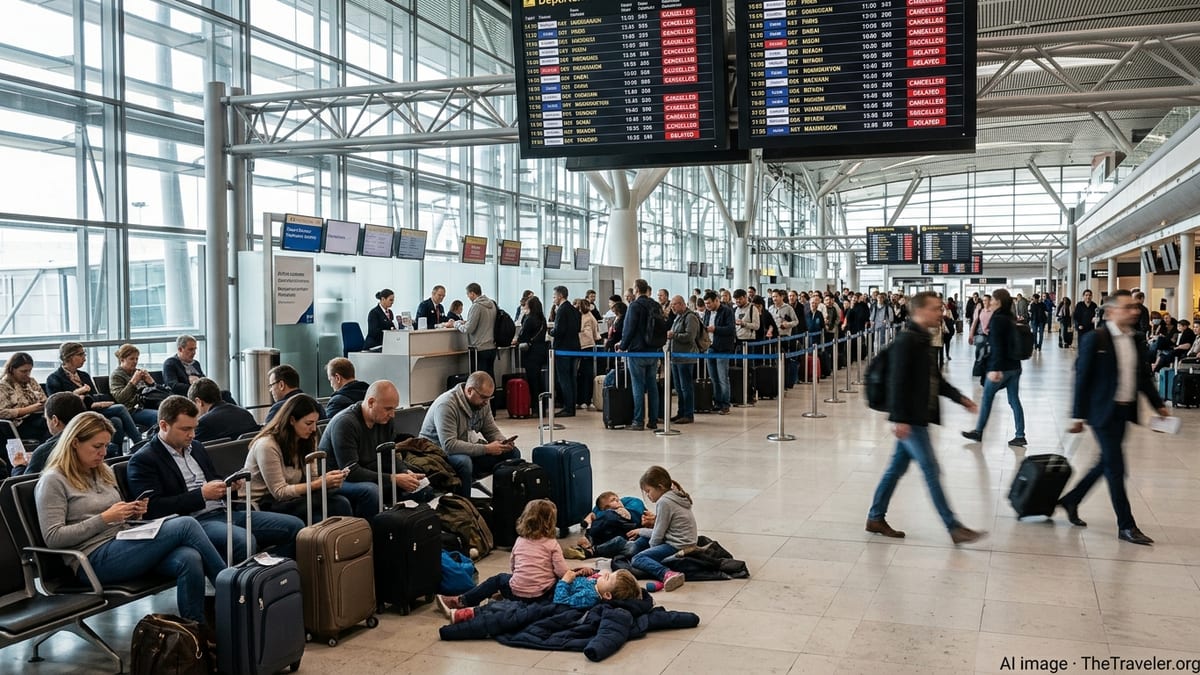
Travellers are encouraged to monitor French media and trusted international outlets, as well as airline and railway operator announcements, for same-day updates about disruptions. Publicly available information suggests that demonstrations can trigger temporary closures of metro stations, tram lines and key road corridors, especially in central Paris and other large cities.
The official advice recommends that Canadians keep their travel documents secure, carry photocopies or digital backups where possible, and share their itineraries with family or friends in Canada. Registration with the Government of Canada’s traveller registration service is promoted as a way to receive emergency notices and make it easier to be contacted in case the situation deteriorates in a particular region.
Travellers are also reminded to consult their travel insurance policies carefully. Some insurers may have clauses addressing claims connected to civil unrest, curfews or cancelled events, and Canadians are advised to verify coverage before departure or any itinerary changes.
Everyday safety: petty crime, transport and crowded sites
Alongside the current unrest, Canadian advice highlights more routine safety issues that remain relevant in France. Other foreign government advisories describe Paris and major cities as affected by pickpocketing and bag snatching, particularly around tourist landmarks, busy squares, train stations and on public transport.
Canadians are advised to be discreet with valuable items, avoid displaying large amounts of cash and keep phones and passports secured in zipped bags or money belts. Extra vigilance is recommended at airports, in and around major railway hubs such as Paris Gare du Nord and Gare de Lyon, and on regional trains serving popular routes.
Travel information sources also point to ongoing security checks at museums, stadiums and major attractions. Visitors can expect bag searches, restrictions on large luggage and controlled entry flows, which may lengthen waiting times but are intended to reduce risk. Tourist boards in the Paris region indicate that these measures have been strengthened in response to the broader security climate.
Late-night travel in entertainment districts is another area where caution is advised. Reports note that opportunistic theft and occasional confrontations tend to rise after dark near nightlife zones, where alcohol consumption is high and crowds are dense.
Planning a trip to France in the months ahead
For Canadians with upcoming travel, the central recommendation is to treat the advisory as a planning tool rather than an automatic reason to cancel. The Government of Canada does not currently advise against all travel to France but asks visitors to assess their personal risk tolerance and remain prepared for sudden changes on the ground.
Prospective travellers are encouraged to review their itineraries with the current advisory in mind. This may include building in flexibility for date changes, considering refundable or changeable bookings, and allowing time buffers around key activities or connections that might be affected by transport disruptions or protest-related closures.
Those planning to attend large-scale events, such as sports matches, concerts or festivals, are advised to follow organizer announcements closely, as schedules or spectator arrangements may be adjusted for security reasons. Checking venue-specific rules on bags and prohibited items before arrival can help avoid delays or denied entry at checkpoints.
The Canadian advisory stresses that risk levels and specific recommendations can evolve quickly. Travellers are urged to consult the France page on the Government of Canada’s travel advice and advisories site in the days leading up to departure and again while in France, to stay aligned with the most current safety information.