


The Canary Islands enjoy a reputation for eternal spring, but the reality on the ground is more nuanced. Winter sun on the beaches of south Tenerife feels very different from the cloud forests of La Gomera, and a calm blue week in Lanzarote can turn hazy and windy when calima rolls in from the Sahara. This guide brings together the key patterns visitors actually experience through the year so you can match islands and months to the holiday you have in mind.
Get the latest updates straight to your inbox!
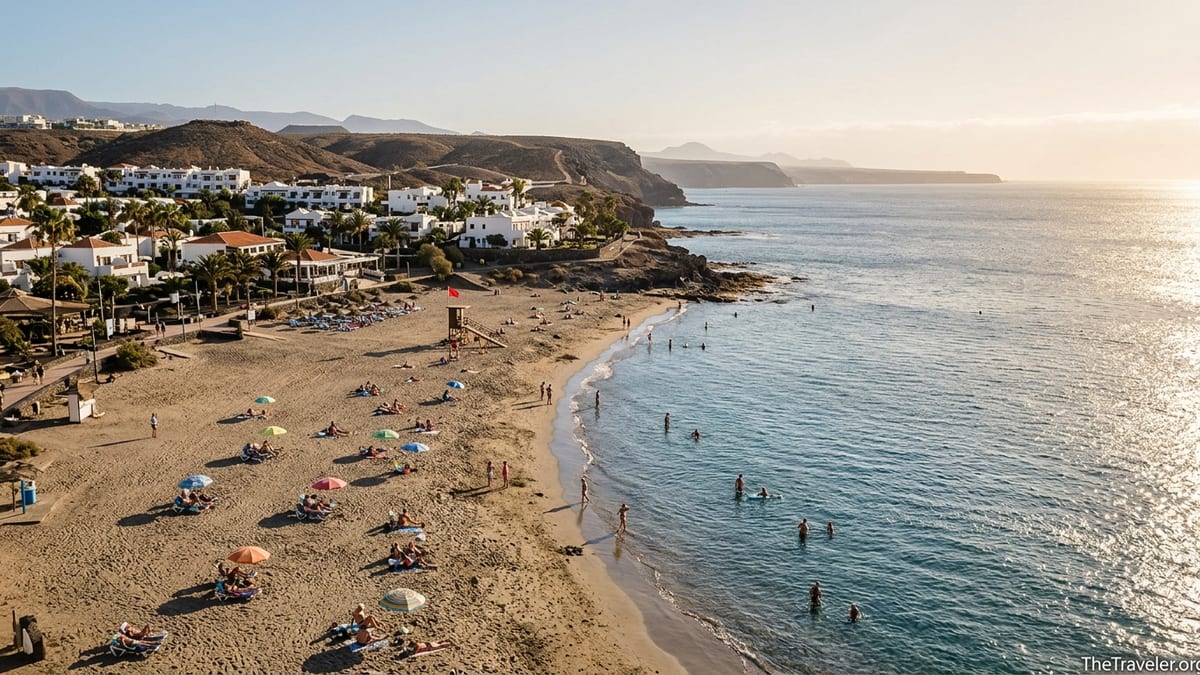
Understanding the Canary Islands’ “eternal spring” climate
The Canary Islands sit just north of the Tropic of Cancer, off the coast of Morocco, which gives them a subtropical climate moderated by the cool Canary Current and the almost constant northeast trade winds. In practice, that means relatively small differences between summer and winter, especially at sea level, and far fewer extremes than in mainland Spain. In winter, coastal resort areas typically see daytime highs in the low 20s Celsius and in summer the high 20s rather than the 40 degree heatwaves that can hit Andalusia.
For visitors, this translates into a long season of comfortable outdoor weather. In January, a British family staying in Playa del Inglés in Gran Canaria can usually breakfast outside in T-shirts, while in August, a German couple hiking in northern Tenerife may still need a light fleece above 1,500 meters. At the same time, the archipelago’s topography and exposure create big differences over short distances, which catch many first-time visitors by surprise.
These islands are volcanic and mountainous. Tenerife’s Mount Teide reaches over 3,700 meters, Gran Canaria’s interior rises above 1,900 meters, and even smaller La Palma has steep ridges. As moist trade wind air hits the north and north east slopes, it is forced upward, forming cloud and drizzle, while south coasts often remain sunny and dry. Add in the proximity to the Sahara and occasional hot, dusty air masses, and the Canary Islands’ climate becomes a mosaic of microclimates rather than a single uniform pattern.
Because the marketing phrase “eternal spring” glosses over these details, planning around them makes a real difference. Choosing Puerto de la Cruz in Tenerife’s north for a week of December sunbathing will feel very different to booking Costa Adeje in the south, even though the two are under an hour’s drive apart.
Year-round temperatures and what they feel like
At coastal level, average daytime highs typically range from around 20 to 22 degrees Celsius in January to around 27 to 29 degrees in August, depending slightly on the island and whether you are on a north or south shore. Nights on the coast in winter tend to hover around 14 to 17 degrees, while summer nights often remain near 21 to 23 degrees. For a visitor from northern Europe or North America, January in south Tenerife or south Gran Canaria often feels like a pleasant late spring day back home.
Temperature differences between islands are smaller than many assume, but they exist. Fuerteventura and Lanzarote, which are lower and more exposed, often feel a little warmer and drier, with fewer clouds, while the western islands such as La Palma and El Hierro tend to be a touch cooler and greener. For instance, on a typical April afternoon you might see about 23 degrees and mostly blue skies at Corralejo in Fuerteventura, while Los Llanos on La Palma sits closer to 21 degrees with more passing cloud.
Altitude has a marked effect. If you drive from the beach in Los Cristianos up to the Teide National Park, you can go from 24 degrees and people swimming in the sea to 10 degrees and hikers wearing hats and gloves within ninety minutes. In winter, frost and even snow are common above 2,000 meters. Travellers planning to explore inland viewpoints such as Roque Nublo in Gran Canaria or the viewpoints above Valle Gran Rey in La Gomera should always pack layers, even in August.
Another factor is humidity and wind. A 26 degree day in calm conditions on the Costa Teguise promenade in Lanzarote can feel hot in the midday sun, but the same temperature in Morro Jable in Fuerteventura with a steady Atlantic breeze may feel more comfortable for active travellers. When calima hits, the combination of higher temperatures, dry air and haze can make mid 20s feel oppressive, especially away from the shore where sea breezes are weaker.
Winter sun: December to March on each island
From roughly early December to late March, the Canary Islands function as Europe’s de facto winter sun escape. In this period, daytime highs in the main south-coast resort belts of Tenerife, Gran Canaria, Fuerteventura and Lanzarote usually sit in the low 20s, with a mix of blue skies and occasional passing fronts. Sea temperatures are at their coolest, around the high teens Celsius, but still comfortable for many swimmers, especially in sheltered coves or hotel pools.
For classic “lie by the pool and read a book” winter breaks, the most reliable sunshine is typically found on the south and southwest coasts of Tenerife and Gran Canaria. Resorts such as Costa Adeje and Los Cristianos in Tenerife and Maspalomas, Playa del Inglés and Puerto Rico in Gran Canaria have some of the lowest winter rainfall in the islands thanks to the rain shadow of the central mountains. A couple staying in Costa Adeje in early February might realistically expect four or five out of seven days to be mostly sunny and warm enough for sunbathing at midday, with the remaining days overcast or breezy rather than cold.
Lanzarote and Fuerteventura are strong winter options for visitors who prioritise dryness over heat. The trade winds are gentler in winter, so the famously breezy beaches of Corralejo or Costa Calma are more manageable for walking. A January day in Puerto del Carmen may bring 21 degrees, blue skies and a light breeze, ideal for running, cycling or visiting Timanfaya National Park without summer heat.
The greener western islands are cooler and damper in winter, which appeals to hikers and nature travellers rather than pure beach seekers. In January, a walking group on La Gomera’s Garajonay trails will likely encounter 14 to 16 degrees in the laurel forests with occasional drizzle, while finding 20 degrees and sun at sea level near Valle Gran Rey in the afternoon. For travellers hoping to split time between sunbathing and walking, combining a base in a sunnier south coast resort with day trips into the interior can be an effective compromise.
Windy months, calima and how they affect your trip
Wind is part of daily life in the Canary Islands. The northeast trade winds blow much of the year, particularly affecting the eastern islands of Fuerteventura and Lanzarote, which are flatter and more exposed. From roughly May through September, these winds strengthen, creating the breezy conditions that windsurfers and kiteboarders seek at spots such as Sotavento in Fuerteventura and Famara in Lanzarote. On these beaches, summer afternoon gusts strong enough to lift sand are common, and travellers who dislike wind may prefer more sheltered resorts, such as Puerto del Carmen or Playa Blanca in Lanzarote.
On the western islands, wind tends to be less intense at sea level but is still a factor on exposed ridges and viewpoints. A July afternoon drive up to Mirador de la Peña on El Hierro or Pico de las Nieves in Gran Canaria might mean stepping out of the car into stiff, cool gusts, even if the coast below appears calm. When planning boat excursions, such as the popular ferry between Los Cristianos and La Gomera or whale-watching trips off south Tenerife, bear in mind that choppier seas are more common in late spring and summer.
Calima is the local name for Saharan dust events that occasionally affect the archipelago. During calima, warm, dry air laden with fine desert dust blows over from Africa, often from the southeast. The sky turns milky or orange, visibility drops, and fine dust settles on cars, balconies and pools. Temperatures can jump several degrees, especially inland, and the air feels drier. Most calima episodes last one to three days, though intense events can linger longer.
These dust incursions can happen at any time of year but tend to be more frequent in late winter and summer. For example, a family staying in Las Palmas de Gran Canaria in February might wake up to an orange-tinged sky, higher daytime temperatures and reduced views of the mountains inland. In summer, hikers on La Palma may find distant vistas hazy for a few days. For most healthy travellers, calima is mainly a nuisance for visibility and comfort, but visitors with asthma or respiratory issues should monitor local forecasts and limit strenuous outdoor activity during the worst episodes. Hotels are used to these events, and staff will often advise on whether an excursion such as a Teide sunrise trip is worth doing if dust significantly reduces visibility.
Microclimates and the north vs south divide
One of the most important practical realities in the Canary Islands is the stark contrast between north and south on the larger islands. The moist trade winds strike the northern and northeastern slopes, where they generate more cloud and rainfall, while southern coasts sit in the rain shadow. This leads to consistently greener, cooler conditions in the north and sunnier, drier weather in the south, often on the same day.
Take Tenerife as an example. Puerto de la Cruz, on the north coast, can wake up under a layer of low cloud in June, with 21 degrees and a chance of light drizzle, while Los Cristianos in the south already enjoys blue skies and 24 degrees. By early afternoon the cloud may burn back in the north or remain over the hills behind the town. This pattern is common enough that many tour operators explicitly market “sunny south Tenerife” as distinct from the “lush north.” Travellers who want a more local atmosphere and do not mind some cloud often choose the north, while those intent on daily sunbathing gravitate south.
Gran Canaria shows an even more pronounced patchwork. Las Palmas in the northeast has a reputation for a cooler, cloudier climate, particularly in summer when a marine layer can bring overcast mornings known locally as “panza de burro,” or donkey’s belly. Drive 60 minutes south to Maspalomas and you can step into near constant sunshine and temperatures several degrees higher. In practice, a digital nomad renting an apartment in Las Palmas in August might use a light jacket on some mornings, while friends staying in Playa del Inglés on the same dates will likely not touch anything but T-shirts and swimwear.
Smaller islands have their own microclimate contrasts. On La Gomera, the central Garajonay National Park is blanketed in misty laurel forest much of the year, even when Valle Gran Rey on the southwest coast is warm and clear. Hikers who base themselves in the highland villages around Chipude or El Cercado often report cool nights requiring duvets and slippers, while day visitors from Tenerife return sunburned from a few hours on the coastal terraces.
For itinerary planning, this means you can often “chase the weather” without changing islands. A couple staying in Puerto de la Cruz in November might find two of their mornings overcast; instead of writing off the day, they can drive 45 minutes over the Cumbres to spend the afternoon in sunshine on the Costa Adeje beaches. Similarly, visitors lodged in windier parts of Fuerteventura can seek shelter for a day in more protected coves near Morro Jable or the old town beaches of El Cotillo.
Sea temperatures, swimming conditions and beach comfort
The Atlantic around the Canary Islands is cooler than the Mediterranean but significantly warmer than the ocean off Portugal. Sea temperatures typically range from around 18 to 19 degrees Celsius in February and March to about 22 to 24 degrees in late summer and early autumn. Many visitors swim year round, but perceived comfort varies with background. A Scandinavian traveller in January may happily swim off Playa de las Vistas in Tenerife, while someone used to Caribbean waters might prefer heated hotel pools in winter and save open sea swims for September.
Swells and currents can matter more than sheer temperature. North-facing beaches, such as El Socorro in Tenerife or Las Canteras’ open sections in Las Palmas, often see larger Atlantic waves and stronger undertows, particularly in winter. These conditions are ideal for surfers but can be challenging for casual swimmers. Lifeguards commonly use flag systems to signal whether swimming is safe, and visitors should take these seriously, as rogue waves and rip currents are responsible for accidents every year.
On the east and south coasts, more sheltered stretches offer gentler waters. The man-made beaches of Costa Adeje, Puerto Rico or Playa Blanca are often calm enough for children to paddle year round, especially in the morning before the wind picks up. In Fuerteventura, lagoons near El Cotillo and the protected side of Sotavento lagoon can feel like natural swimming pools at mid to high tide. Families looking for guaranteed easy swimming might prioritise accommodations near such coves rather than the open Atlantic surf beaches.
Beach comfort also depends on wind and flying sand. On a typical July afternoon in Corralejo, the combination of strong breeze and dry sand can make lying on an exposed dune uncomfortable without a windbreak. Many local shops sell inexpensive low beach screens, and long-stay visitors often invest in them within a few days. By contrast, a September afternoon in Puerto del Carmen, with lighter winds and warmer sea temperatures, allows for long, lazy hours on the sand and repeated dips without a chill.
Best months and islands for different types of trips
For classic beach holidays with a high chance of sun and warm sea, late September through early November is often an excellent window. The ocean has warmed over the summer, air temperatures are still firmly summery, and the trade winds usually begin to ease compared with July and August. A couple booking a week in early October in Costa Teguise, Playa Blanca, Meloneras or Costa Adeje is likely to enjoy mostly sunny days, sea temperatures around the low 20s and fewer families than in August school holidays.
For winter sun with minimal rain, January and February on the south coasts of Tenerife and Gran Canaria remain the safest bets. Incoming weather fronts from the Atlantic are more likely to affect the western islands and northern slopes. Retirees who base themselves for several weeks in Puerto Rico or Los Gigantes through midwinter often report a rhythm of reading by the pool during warm, calm mornings, then putting on a light sweater for evening walks along the promenade when temperatures dip.
Spring, from March to May, offers mild weather and fewer crowds, ideal for walking and road trips. Wildflowers and green hillsides make routes such as the GR131 trail segments on La Palma or the circular walks around the interior of Gran Canaria particularly attractive. Temperatures are comfortable for hiking at mid-altitude, and while the sea is still on the cooler side in March, by May most visitors are swimming happily, especially on sheltered beaches.
Summer, from June through August, works well for active travellers who are not bothered by heat and wind. Families with school-age children often choose this period for practical reasons and find that even at the peak of summer the Canary Islands stay more moderate than mainland Spain. Fuerteventura becomes a global magnet for wind sports, while Tenerife and Gran Canaria see early starts for inland hikes, with walkers descending back to coastal cafes as the midday heat builds. Those particularly sensitive to calima or who dislike hazy skies may prefer May, June or October over late July and August, which can see more frequent dust incursions.
The Takeaway
The Canary Islands do offer something close to year round spring, but the details matter. The same week in January feels very different in north La Palma compared to south Gran Canaria, and a breezy August afternoon in Fuerteventura contrasts sharply with a calm October morning in Tenerife. Understanding the basic patterns of temperature, wind, calima and microclimates lets you choose not just the right island, but the right coast, resort and month for the experience you want.
If your priority is predictable winter sun and pool time, lean towards the sheltered south coasts of Tenerife, Gran Canaria, Lanzarote or Fuerteventura between December and March. If you care more about hiking and scenery than sunbathing, aim for spring in the greener western islands, mixing time in the mists of Garajonay or the Caldera de Taburiente with afternoons at the coast. For warm seas and long beach days, September and October are hard to beat anywhere in the archipelago.
Whatever you choose, pack for variety. A light down jacket for stargazing at Teide’s viewpoints, a scarf for windy ferry crossings, and a spare T-shirt for the dustier days of calima can all earn their place in your bag. With a little planning around the islands’ weather quirks, the Canary Islands can deliver exactly the mix of sun, sea and fresh air you are looking for.
FAQ
Q1. Which Canary Island has the best winter sun? In practice, south Tenerife and south Gran Canaria offer the most reliable winter sun, especially around Costa Adeje, Los Cristianos, Maspalomas and Meloneras, where mountains to the north block many of the passing weather fronts.
Q2. Is it warm enough to swim in the sea in January? Yes for many visitors, though it depends on your tolerance. Sea temperatures usually sit around the high teens Celsius in midwinter. Northern Europeans often swim comfortably, especially in sheltered beaches or hotel bays, while others may prefer heated pools until late spring.
Q3. When are the windiest months in the Canary Islands? The breeziest period is typically from late May to September, particularly on exposed eastern islands like Fuerteventura and Lanzarote. This is when kiteboarders and windsurfers flock to beaches such as Sotavento, while travellers who dislike wind may prefer shoulder seasons or more sheltered resorts.
Q4. What exactly is calima and should I avoid it? Calima is a warm, dry air mass carrying Saharan dust over the islands, causing hazy skies, higher temperatures and a fine layer of dust on surfaces. Most episodes last a few days and are a minor inconvenience rather than a reason to cancel a trip, though people with asthma or respiratory conditions should monitor air quality and limit strenuous outdoor activity when it is at its worst.
Q5. Are the north coasts really that much cloudier than the south? On the larger islands, yes, especially in summer. Places like Puerto de la Cruz or Las Palmas often wake to low cloud and cooler conditions, while south coast resorts enjoy clear skies. Many travellers enjoy the contrast, using the north for culture and local life and day-tripping south for guaranteed sun.
Q6. Which months have the warmest sea temperatures? The ocean lags behind the air, so the warmest sea temperatures usually arrive from late August through October. During this time, water temperatures often reach the low 20s Celsius, making long swims and snorkelling comfortable for most visitors.
Q7. Is summer too hot in the Canary Islands? For most people, summer is warm but manageable, with coastal highs often in the high 20s rather than the extreme heat waves seen on mainland Spain. It can feel hotter during calima events or in sheltered inland valleys, so plan active excursions for early mornings and keep beach time for breezier afternoons.
Q8. Which island is best if I dislike strong wind? If you prefer calmer conditions, focus on the western islands such as Tenerife, Gran Canaria, La Gomera or La Palma, and choose sheltered south or southwest coasts rather than exposed northeastern shores. Within windier islands like Fuerteventura, look for resorts in coves and bays rather than open dune systems.
Q9. How much rain should I expect in winter? Rainfall is modest compared with much of Europe. On the drier south coasts, you may see only a handful of showery days across a two week January stay, while northern slopes and higher elevations receive more frequent rain and drizzle. Heavy, all day downpours are relatively rare at coastal resort level.
Q10. What should I pack to be ready for the islands’ microclimates? Pack layers and options. Alongside summer clothes, bring a light fleece or jacket for evenings and mountain excursions, a compact windbreaker for breezy days or boat trips, closed shoes for hiking, and a spare set of clothes that you do not mind getting dusty during calima. This flexible kit will allow you to enjoy both the beaches and the cooler, greener interiors with ease.