


More news on this day
Carnival Cruise Line has reached a key milestone in its next generation of cruise ships with the cutting of the first steel for Carnival Destiny, the lead vessel in the company’s new Ace-class platform scheduled to debut in 2029.
Get the latest news straight to your inbox!
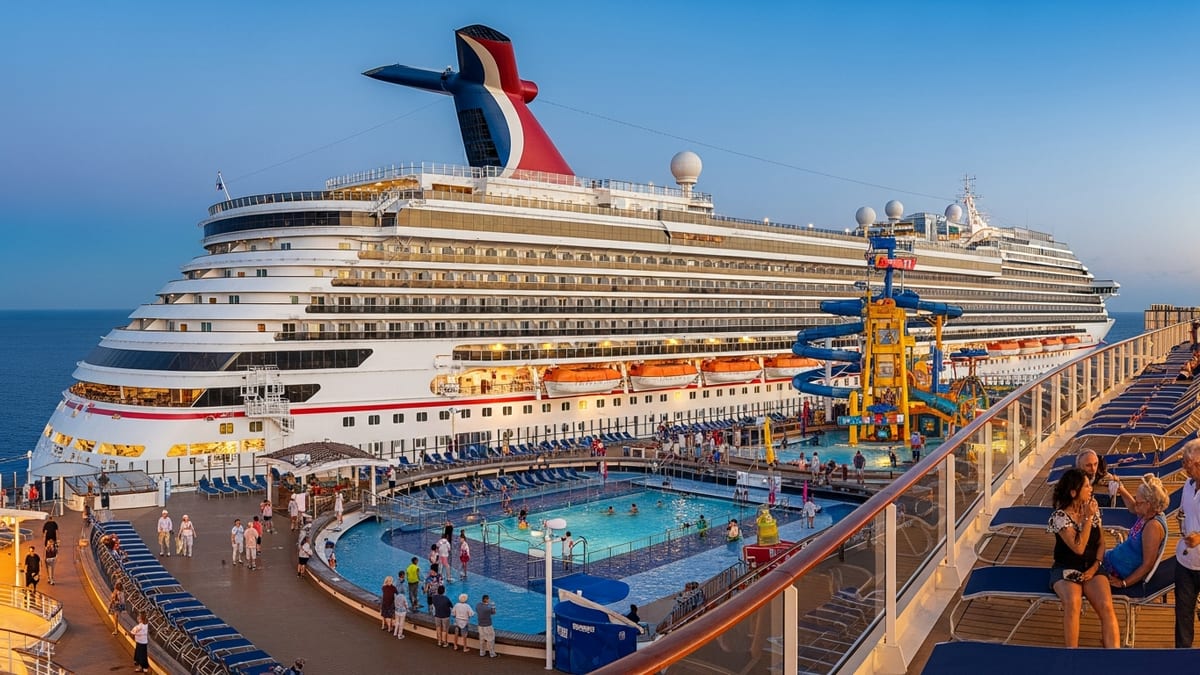
Ace Class Marks a New Chapter for Carnival
The Ace class represents Carnival’s first all-new large-ship platform since the Excel class, which introduced liquefied natural gas propulsion and a host of high-capacity entertainment concepts. Publicly available information indicates that the new series is designed as an evolution of that blueprint, with even greater scale and a focus on high-density, resort-style cruising.
Marketing materials and trade coverage describe Project Ace as a trio of mega-ships built to carry close to 8,000 guests at full capacity, positioning Carnival Destiny and her future sisters among the largest cruise vessels ever constructed for the brand. The ships are expected to continue Carnival’s strategy of concentrating more features and venues into a single hull while appealing to a broad market of families and value-conscious travelers.
The steel-cutting event formally starts the construction countdown to Carnival Destiny’s 2029 delivery. Industry reports suggest that additional details about the ship’s final design, including accommodations mix, top-deck attractions and interior themes, will be disclosed in phases as the build progresses at the shipyard.
Symbolic Name Recalls a Breakthrough 1990s Ship
Naming the first Ace-class ship Carnival Destiny is widely seen as a deliberate nod to an earlier turning point in the company’s history. In the 1990s, the original Carnival Destiny became the world’s first cruise ship to exceed 100,000 gross tons, signaling the modern era of large-scale resort vessels and reshaping expectations for mass-market cruising.
Publicly available historical summaries note that the earlier ship later underwent a major refit and was renamed Carnival Sunshine, but its legacy as a pioneering design remains closely associated with Carnival’s rise as a dominant North American cruise brand. By reviving the Destiny name for its newest, largest platform, the line is emphasizing continuity between that past milestone and its next leap in ship size and onboard features.
Travel trade analysis points out that this type of heritage naming has become more common among large cruise groups, which often seek to connect new hardware with well-known brands or retired ships that retain positive recognition among loyal guests. For Carnival, the choice of Carnival Destiny for its largest-ever class reinforces a message of familiarity even as the company introduces a substantially more ambitious vessel.
Shipbuilding Milestone Sets Construction Timeline in Motion
In modern cruise ship production, the cutting of the first steel plate is considered the official start of physical construction. Shipyard documentation and previous Carnival projects show that the period between steel cutting and delivery for a vessel of this size typically spans several years, covering block assembly, hull completion, outfitting and sea trials.
For Carnival Destiny, the initial cutting marks the transition from design and engineering to visible progress on the yard floor. Industry observers expect that the next major milestones will include keel laying, float-out and sea trials, each bringing the company closer to introducing the first Ace-class ship into commercial service in 2029.
Past large-ship builds for Carnival and its sister brands indicate that extensive interior outfitting, technical integration and safety testing will follow as more blocks are joined and the ship takes shape. Travel trade reports suggest that the timeframe also allows the line to refine itineraries, finalize onboard concepts and open early booking programs well ahead of the inaugural voyage.
What Carnival Destiny Signals for Itineraries and Capacity
Project Ace and the construction of Carnival Destiny come as major cruise operators continue to concentrate capacity in larger, feature-rich ships that can support economies of scale. Analysts note that vessels carrying 7,000 to 8,000 guests enable cruise lines to expand entertainment, dining and accommodation choices while distributing operating costs over more passengers.
While specific deployment plans for Carnival Destiny have not yet been formally outlined in public-facing schedules, travel industry commentary indicates that ports already equipped to handle Carnival’s Excel-class ships are likely candidates. Terminals designed for high-capacity ships, with larger embarkation halls and upgraded berth infrastructure, are expected to play a central role in the new class’s deployment.
The additional berths provided by the Ace class are anticipated to support Carnival’s growth in key North American homeports and popular warm-weather regions. Trade coverage suggests that the line may use the increased capacity to expand peak-season offerings, diversify itineraries and potentially introduce longer or more port-intensive cruises on its newest flagship vessels.
Competitive Stakes in the Mega-Ship Market
The decision to move forward with the Ace class and begin construction on Carnival Destiny reflects an ongoing arms race among major cruise brands to operate the largest and most amenity-rich ships at sea. Travel industry reports highlight that rival cruise lines have also ordered new generations of mega-ships, targeting similar delivery windows in the early and mid-2030s.
By cutting steel now, Carnival signals a commitment to remain competitive in that segment, leveraging its established brand recognition in the North American market while responding to guest expectations shaped by recent large-ship debuts. The scale of Carnival Destiny is expected to allow for expanded family attractions, upgraded dining experiences and a broad mix of accommodations designed to appeal to multigenerational groups.
As construction advances, the Ace class and its lead ship, Carnival Destiny, are likely to become a central focus of the company’s marketing and deployment strategy. For travelers and the wider cruise industry, the first cut of steel marks the beginning of a multi-year process that will culminate in one of the most closely watched new builds in Carnival’s history.