


More news on this day
Severe thunderstorms sweeping across the Chicago area have triggered ground stops at O’Hare and Midway airports, leading to hundreds of flight cancellations, cascading delays and mounting frustration for travelers across the United States.
Get the latest news straight to your inbox!
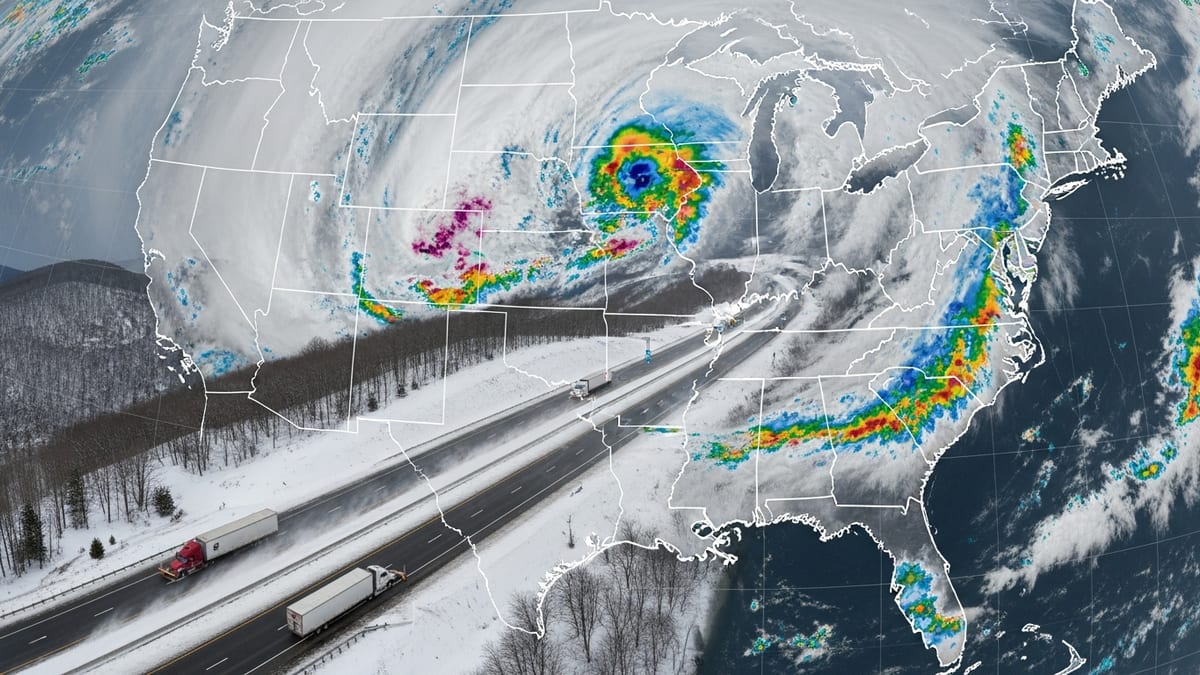
Ground stops snarl operations at major Chicago hubs
According to federal air traffic management advisories, departure traffic bound for Chicago O’Hare International Airport faced average delays approaching seven hours overnight as thunderstorms moved through northern Illinois. Real time status pages for both O’Hare and Midway indicated multiple rounds of flow restrictions and ground delay programs as controllers worked to meter traffic into the storm affected airspace.
Published coverage from Chicago based outlets indicates that the storms arrived on the heels of an extended dry stretch, bringing intense downpours, lightning and strong wind gusts. Earlier waves of storms on Monday had already produced delays of around two hours at O’Hare and close to an hour at Midway, setting the stage for more severe disruption as additional cells developed over the metro area.
Ground stops, which temporarily halt flights destined for a particular airport, are designed to prevent arriving aircraft from stacking up in holding patterns when weather reduces runway capacity. At a hub as busy as O’Hare, where pre storm schedules typically include more than 2,500 daily flights to over 270 destinations, even a brief shutdown can reverberate across the national network for hours.
Hundreds of cancellations and delays ripple nationwide
Data compiled by flight tracking services and summarized in recent airline operations reports show that the weather related restrictions translated into hundreds of cancellations and widespread delays at both Chicago airports. O’Hare, one of the world’s largest connecting hubs, absorbed the brunt of the impact, with flights scrubbed across major domestic and international carriers. Midway, a key base for low cost and point to point operators, also saw dozens of flights canceled and many more delayed.
Travelers posting on social media from terminals and diversion airports described being held on tarmacs for extended periods, diverted to cities as far as two hours’ drive from Chicago and rebooked on flights departing a day or more later. Several accounts referenced gate areas crowded with stranded passengers and baggage systems struggling to keep pace as aircraft were turned around or taken out of service.
The disruption was not confined to Illinois. Because Chicago functions as a central connecting node, cancellations there quickly affected flights in and out of the East Coast, the Mountain West and the South. Passengers in cities such as New York, Houston and Minneapolis reported last minute cancellations or lengthy delays tied directly to the Chicago storms and the resulting ground stops.
Stormy summer underscores Chicago’s weather vulnerability
The latest thunderstorms add to what many travelers and aviation analysts describe as a notably volatile warm weather season for Chicago’s air traffic. Recent incident summaries from travel assistance firms highlight multiple June and July events in which severe storms or fast changing conditions forced air traffic control to impose ground stops at O’Hare, leading to hundreds of cancellations in a single day.
Chicago’s position in the heart of the Midwest leaves it exposed to rapidly developing convective systems that can form along frontal boundaries and sweep across the region with little lead time. Low cloud ceilings, lightning in the vicinity of runways and the risk of microbursts or wind shear frequently require controllers to space out arriving flights and pause ground operations, especially during peak bank periods.
Industry observers note that these weather shocks are colliding with a system already operating near capacity. Airlines have rebuilt aggressive schedules at major hubs, while air traffic control staffing remains a challenge in several facilities. When storms force a reduction in the number of planes that can safely land or depart per hour, the backlog builds quickly, making recovery from each event more complex.
Travelers face long waits, diversions and baggage headaches
The ground stops and cancellations have translated into long and often confusing travel days for passengers. In online forums, travelers described missing tight connections in Chicago, waiting hours for updated departure times and scrambling to secure hotel rooms as evening departures were scrubbed. Some flights diverted to nearby regional airports reported shortages of rental cars and difficulty securing rideshares back toward the city.
Others recounted arriving to find checked bags held back in Chicago as aircraft and crews were repositioned around the storms. Airline staff and handling partners faced the dual task of rerouting passengers and sorting large volumes of luggage for rebooking or pick up, a process that can stretch into the following day when hundreds of flights are affected at once.
Advisories from airports and airlines consistently urged passengers to confirm their flight status before leaving for the airport and to use mobile apps or text alerts to monitor changes. With same day alternatives limited during major disruptions, rebooking options often involved connections through secondary hubs or departures a day or more later, particularly on heavily traveled routes.
What passengers can do if their Chicago flight is disrupted
Consumer groups and travel assistance services advise that when storms trigger large scale disruptions at hubs such as O’Hare and Midway, the most important step for passengers is to act quickly while remaining flexible. Many airlines allow self service rebooking through apps or websites once a flight shows a significant delay or cancellation, which can be faster than waiting in physical lines at the airport.
Travel experts recommend that travelers consider alternative routings, including connections through other hubs or, in some cases, nearby airports served by rail or bus links to Chicago. During prolonged ground stops, seats on later departures and on other carriers can disappear within minutes, so travelers who move early tend to have more options.
While weather related cancellations typically limit compensation, airlines usually provide the choice of a later flight or a refund for unused tickets. Travel insurance policies and certain credit cards may offer additional coverage for hotel stays or meals during extended delays, depending on the terms. Passengers are encouraged to keep receipts for out of pocket expenses and to document disruptions when seeking reimbursement later.