


More news on this day
Eurostar is set to add Antwerp to its network as a new stop on select London to Amsterdam services from mid-December, but the call will be available in one direction only, offering northbound travelers a fresh way to reach the Belgian port city by high-speed rail.
Get the latest news straight to your inbox!
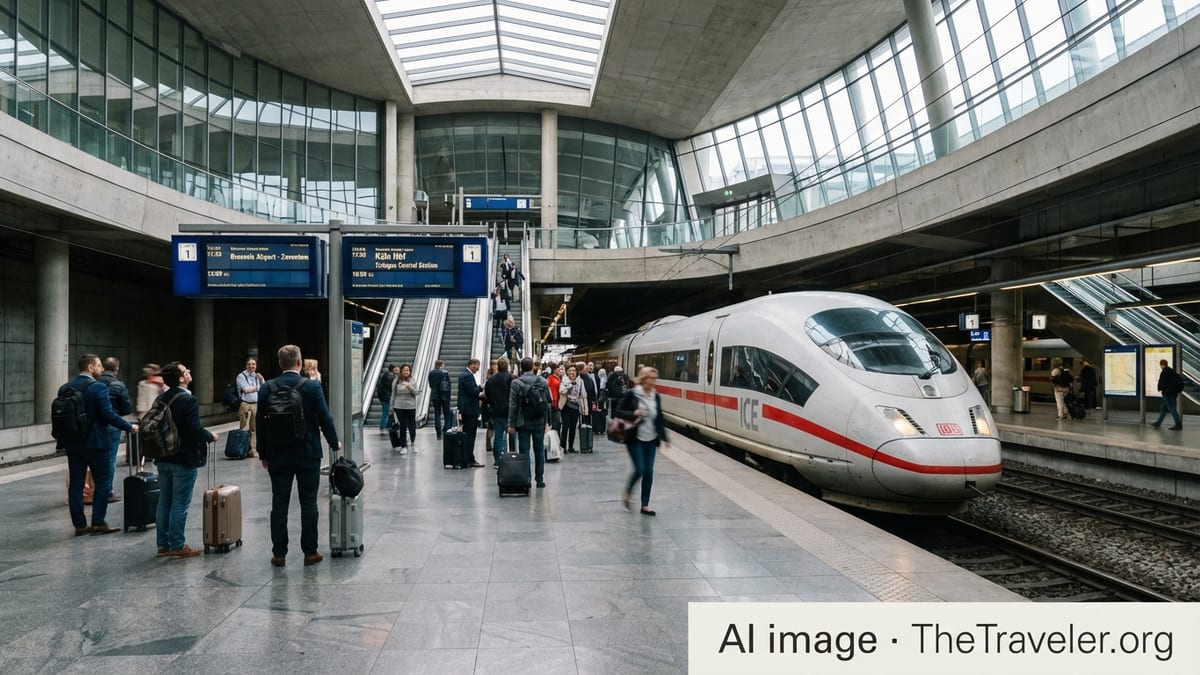
New call at Antwerpen-Centraal from December
According to recent timetable information and published coverage, several London to Amsterdam services will begin calling at Antwerpen-Centraal from the European timetable change in mid-December 2026. The decision will place one of Belgium’s most architecturally celebrated stations onto Eurostar’s core cross-Channel route for the first time on a regular basis.
Travel industry reports indicate that four London to Amsterdam trains per day are expected to add the Antwerp stop. The trains will continue to run via the established High Speed 1 and Belgian high-speed corridors, with Antwerp added as an intermediate call between Brussels and the Dutch border.
The change comes as Eurostar continues to refine its post-merger network across Belgium, France, the Netherlands and Germany, with an emphasis on improving direct connectivity between major city pairs. Antwerp, long served by intra-European high-speed services, is now being folded into the pattern of London-originating trains after years of speculation from rail observers.
One-way stop highlights operational constraints
Despite Antwerp’s new visibility on the Eurostar map, the stop is currently planned only in the northbound direction from London. Southbound services from Amsterdam to London will continue to bypass Antwerp, reflecting the particular border and security arrangements that govern Channel Tunnel passenger traffic.
Publicly available background information on Eurostar’s Dutch services shows that London-bound trains require dedicated check-in, security screening and juxtaposed border controls before entering the United Kingdom. In recent years, similar constraints initially meant that Amsterdam to London services could not run non-stop all the way to the British capital and had to route passengers via Brussels for formalities.
By contrast, trains leaving London for mainland Europe do not need to repeat those controls at intermediate stops, making it simpler to add a call such as Antwerp without altering the broader security regime. The result is an asymmetric pattern that gives travelers an additional northbound option while leaving southbound operations unchanged, at least for now.
What the new stop means for travelers
For visitors from the United Kingdom, the new Antwerp call offers a direct, high-speed alternative to the traditional change of trains in Brussels. Travelers holding through tickets on the affected London to Amsterdam services will be able to step off at Antwerpen-Centraal and connect onto local, regional or long-distance Belgian services from the same hub.
Antwerpen-Centraal, often cited by rail publications for its grand architecture, already functions as a key node in Belgium’s high-speed network, with frequent domestic and international departures. The Eurostar call adds another layer of connectivity, making it easier to combine a city break in Antwerp with onward travel to Dutch destinations without having to route entirely via Brussels.
The one-direction arrangement does, however, introduce a distinction for trip planning. Northbound passengers heading from London to Antwerp gain a convenient through journey, while those returning to the United Kingdom will still need to use Brussels Midi, Amsterdam Centraal or other existing Eurostar departure points that host full UK border facilities.
Timetables, ticketing and capacity considerations
Rail timetable specialists note that the Antwerp call is part of a wider reshaping of northwestern Europe’s high-speed schedules for the 2026 season. The additional stop has to be slotted into already busy paths on Belgian high-speed infrastructure, where Eurostar services share tracks with other international and domestic trains.
There is not yet a full season of operational data, but observers expect only marginal increases in journey times between London, Rotterdam and Amsterdam when trains pause in Antwerp. For many leisure travelers, a short extra stop is likely to be an acceptable trade-off for the added flexibility of stepping off in the Belgian city.
On the ticketing side, publicly available information suggests Eurostar is focusing on clearly branded point-to-point fares rather than complex add-on products such as previous “Any Belgian Station” offers. Passengers intending to connect beyond Antwerp may need separate domestic tickets, depending on how future through-fare products develop.
Capacity remains a central concern across the Eurostar network, particularly on peak departures between London, Brussels and Amsterdam. The decision to add a new intermediate stop without removing existing ones reflects confidence that demand can support slightly more complex patterns, but it may also prompt careful yield management as the new service beds in.
Strategic boost for Antwerp’s international profile
The addition of Eurostar’s cross-Channel services is expected to reinforce Antwerp’s positioning as an easily accessible city break destination for UK travelers. Tourism coverage already highlights the city’s mix of fashion, arts and historic riverfront, alongside its reputation as a major diamond trading centre.
Being named directly on London-originating high-speed timetables can translate into immediate visibility for potential visitors planning multi-city itineraries across Belgium and the Netherlands. Travel planners and tour operators are likely to fold the new option into winter and spring schedules once the December start date is confirmed in public booking systems.
For Antwerp itself, the move underscores the role of Antwerpen-Centraal as a front door to the city. While the one-way nature of the Eurostar stop reflects complex international rail regulations rather than local demand, it nonetheless signals growing confidence in Antwerp as a standalone draw on the cross-border rail map, positioned between established Eurostar cities such as Brussels, Rotterdam and Amsterdam.