


More news on this day
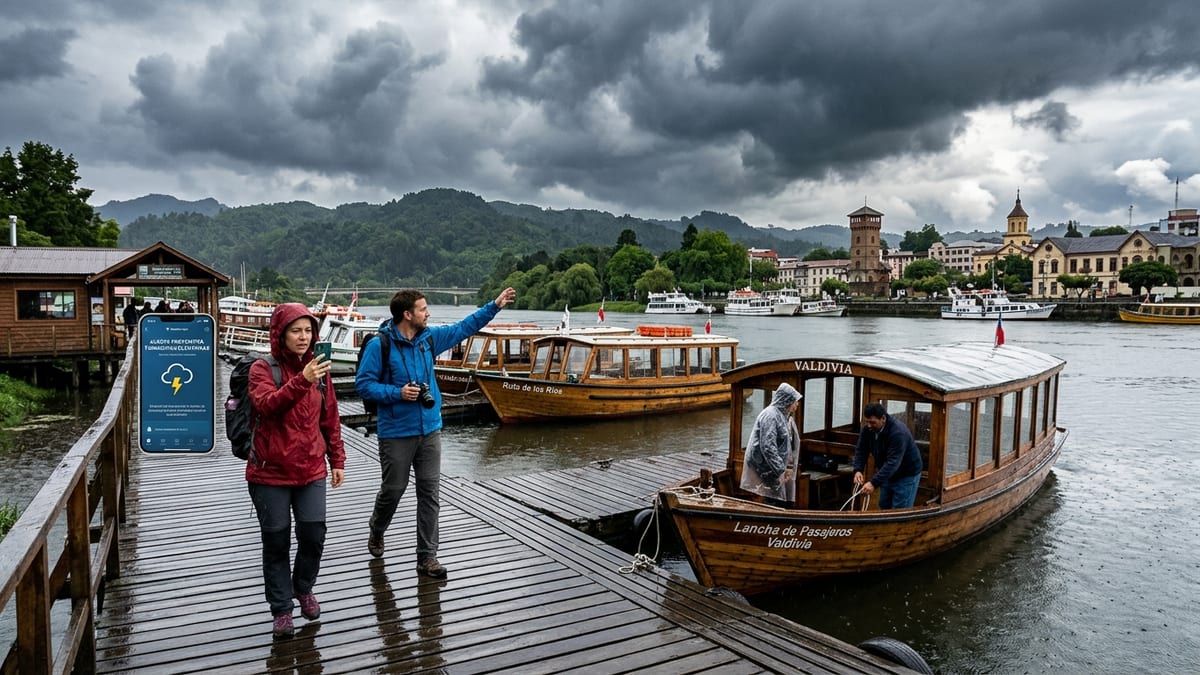
Chile’s Servicio Nacional de Prevención y Respuesta ante Desastres (Senapred) has activated an Alerta Temprana Preventiva for the southern Los Ríos region after the Dirección Meteorológica de Chile (DMC) warned of probable thunderstorms, hail and winds of up to about 60 km/h from 16 to the night of 17 November 2026, a development that matters for travelers heading to Valdivia, coastal resorts and overland routes that could be briefly disrupted by intense local storms.
Get the latest news straight to your inbox!
New alert builds on nationwide thunderstorm advisories
Senapred’s regional office in Los Ríos confirmed the preventive alert for thunderstorms on 16 November 2026, citing a DMC forecast that convective storms could affect parts of the region through the evening of Tuesday 17 November. Local coverage in Los Ríos reports that the advisory highlights the risk of electrical storms accompanied by short, intense showers, hail and gusts that may reach around 60 km/h, particularly during the afternoon and evening hours.
The preventive alert follows a wider series of convective weather warnings that the DMC has issued in mid November. On 15 November, the meteorological service expanded its thunderstorm advisories to seven regions, and by 16 November it had warned of probable thunderstorms in ten regions, with validity through the night of 17 November. Los Ríos is among the southern regions repeatedly included, reflecting a broader instability pattern rather than an isolated event.
Unlike a red alert, which indicates an ongoing severe emergency, an Alerta Temprana Preventiva signals that conditions are favorable for disruptive weather and that authorities and the public should prepare for possible impacts. For travelers, this means that services are expected to operate largely as normal but with an increased chance of localized interruptions, especially on exposed roads and outdoor excursions.
What the alert covers in Los Ríos
According to Senapred’s standard definition, the preventive alert in Los Ríos activates enhanced monitoring and coordination among local government, emergency services and infrastructure operators. The current notice is based on a DMC thunderstorm advisory that specifies instability over interior valleys, coastal sectors and higher terrain, where convection is most likely to develop during the warmest part of the day.
Local media in the region report that the warning mentions probable thunderstorms, with a possibility of hail and wind gusts near 60 km/h, but not a generalized severe storm affecting every locality. The DMC advisory frame emphasizes that thunderstorms are expected to be scattered and that not all areas of Los Ríos will necessarily see lightning or intense rain. However, where storms do form, downpours could be brief and heavy enough to cause minor urban flooding, reduced visibility and slippery surfaces on roads.
The alert is time limited, with the strongest risk window focused on the afternoons and evenings of 16 and 17 November. If conditions stabilize earlier, Senapred can cancel the preventive alert; conversely, if impacts are greater than expected, the agency could escalate to more serious alert levels. As of the evening of 17 November, available official information points to a preparedness posture rather than an active emergency situation in Los Ríos.
Practical implications for travelers in Valdivia and surrounding areas
For most travelers currently in Los Ríos, the immediate effect of the new weather alert is precautionary rather than disruptive. There are no official reports of airports in the region closing because of the thunderstorms, and Valdivia’s Pichoy Airport typically remains open during such events, although individual flights could experience delays or minor schedule adjustments if lightning or strong winds temporarily affect operations. Bus and intercity services through the region are also expected to continue running, subject to normal safety protocols during heavy rain.
The more tangible impact is likely on outdoor activities. Boat trips on the Valdivia river system, visits to coastal destinations such as Corral and nature excursions in forested or mountainous areas may be rescheduled or shortened if thunderstorms develop during the afternoon. Tour operators often adjust departure times to avoid the peak convective periods indicated by the DMC, and some may apply more flexible rebooking policies during the alert window, although these policies vary by company and should be checked directly by travelers.
Self‑drive visitors using routes such as the highway between Valdivia and Osorno or the road to inland hot spring areas should allow extra time and be prepared for sudden changes in conditions, including surface water on the roadway and brief reductions in visibility under intense showers. While authorities have not announced specific road closures related to this alert, Senapred’s general guidance for such convective events includes avoiding stopping under large trees during lightning, securing loose items at campsites and checking local advisories before heading into more remote terrain.
Why Chilean authorities are cautious after a volatile weather season
The decision to highlight thunderstorms in Los Ríos comes at the end of a volatile weather season in Chile, during which multiple frontal systems brought intense rain, hail and electrical storms to central and southern regions. In October 2026, Senapred declared several higher-level alerts in the Santiago Metropolitan Region after severe storms produced hail, urban flooding and landslide risks, prompting temporary school suspensions and a stronger focus on early warnings.
For Los Ríos specifically, Senapred has already used preventive alerts earlier in the season in connection with storm systems that combined heavy rainfall, electrical activity and, in some advisories, a low probability of tornadic winds along parts of the coast. These experiences have encouraged authorities to emphasize early communication even when forecast confidence in the exact location of thunderstorms remains limited. By activating an Alerta Temprana Preventiva rather than waiting for impacts, regional officials aim to give municipalities, utility companies and tourism operators more time to prepare.
From a traveler’s perspective, this cautious approach means more frequent official notifications, but not necessarily more severe conditions on the ground. Many preventive alerts expire without major damage, reflecting their role as a readiness tool rather than a certainty of disruption. The current Los Ríos notice fits this pattern: it highlights a real but localized risk of convective storms during a defined two day period, rather than signaling a large-scale disaster.
What travelers should monitor next
Looking ahead, the most important step for travelers is to continue checking real-time updates from Senapred and the DMC through the evening of 17 November, since both agencies can update, downgrade or cancel alerts as weather systems evolve. Accommodation providers and transport operators in Los Ríos typically follow these official bulletins when making operational decisions, so their latest messages can provide a practical view of any localized effects, such as timetable changes or postponed excursions.
Travelers planning to arrive in Los Ríos within the next 24 hours may wish to build flexibility into their itineraries, allowing for minor timing adjustments for river cruises, hiking trips or coastal visits. Given that the forecasted thunderstorms are expected to be scattered, many activities are likely to go ahead outside the peak storm windows, but operators might shift start times earlier in the day when the risk is lower. Anyone with tight onward connections should keep in touch with airlines or bus companies in case storms temporarily slow operations.
If the convective pattern persists beyond 17 November, authorities could issue fresh DMC advisories and new or extended preventive alerts, although that possibility remains a forecast rather than a confirmed plan. For now, the key message for travelers is that Los Ríos remains accessible, with transportation networks functioning, but with a need for heightened awareness of short notice thunderstorms that could briefly affect outdoor plans and require routine weather precautions.