


More news on this day
Remote Australians are being invited to apply for grants of up to $10,000 from the Connellan Airways Trust, with new guidelines and a fresh funding round focused on expanding access to education, health, training and work opportunities across the outback.
Get the latest news straight to your inbox!
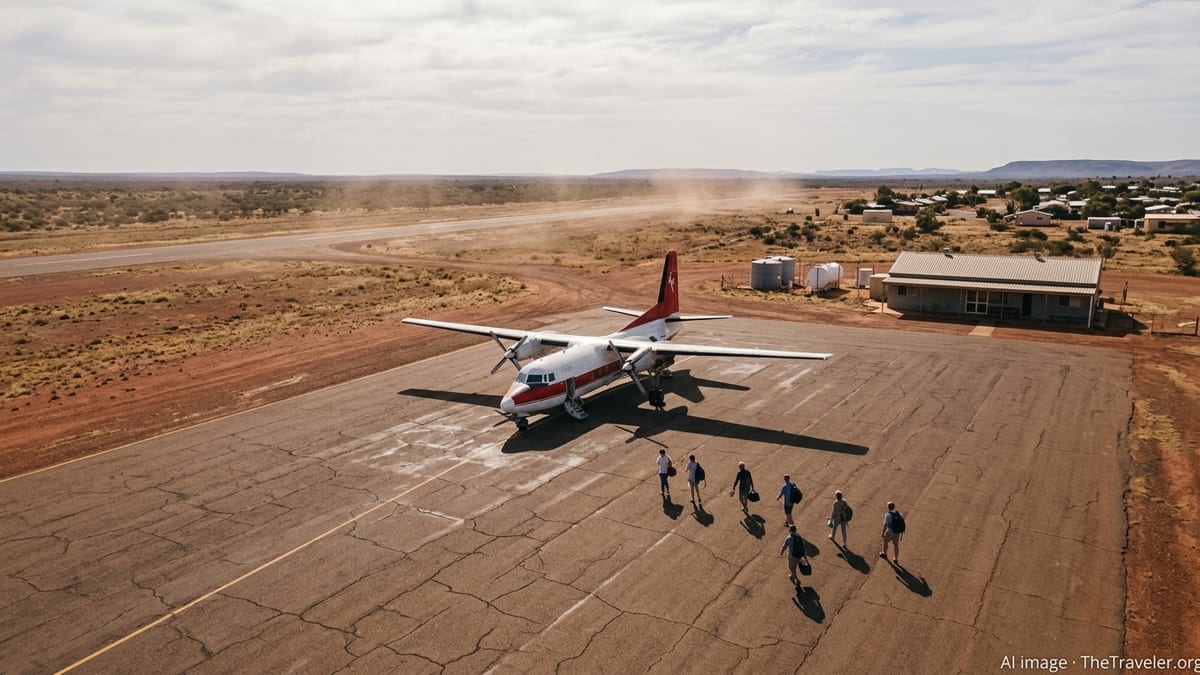
Remote Access Funding Targets Outback Barriers
Publicly available information from the Connellan Airways Trust indicates that its general grants program now offers up to $10,000 per application for people and organisations in Remote and Very Remote Australia. The funding is designed to reduce the impact of distance on access to essential opportunities, including formal study, professional training and critical health services.
The trust states that it is working toward a “thriving Outback” where location does not determine what people can achieve, with more than 4.5 million Australian dollars already granted to over 5,600 individuals and organisations since 1981. The current round continues that legacy by focusing on practical, clearly defined activities that can be delivered within a realistic budget and timeframe.
General grants are framed as a flexible tool that can help cover a wide range of expenses such as course fees, technology, specialist equipment, and travel and accommodation required to reach education or healthcare providers. Information promoted through grant directories describes the program as supporting improved social and economic outcomes for outback communities, particularly where geographic isolation makes conventional access prohibitively expensive.
This remote access focus aligns with broader national priorities, with Australian government material describing effective air transport and regional infrastructure as critical to maintaining year-round access to healthcare, education and employment in isolated areas. The Connellan program sits alongside public funding streams by supporting the people and community groups who ultimately make use of those services.
Who Can Apply and What Projects Are Eligible
According to updated guidelines on the trust’s website, two main streams are available: grants for organisations and grants for individuals. For organisations, applications of up to $10,000 are open to small and medium not-for-profits and community groups with annual turnover under 3 million Australian dollars, or to unincorporated groups auspiced by an eligible not-for-profit. Activities must directly benefit people living in Remote or Very Remote areas, with some scope for outer regional communities in defined circumstances.
For individuals, recent guideline updates highlighted in the trust’s news section clarify that grants can support study or training fees, vocational and TAFE courses, travel and accommodation for placements or professional development, tools and technology that enable participation in work or education, and initiatives that build local health, wellbeing or leadership capacity. Each application is assessed against a set of core questions covering need, proposed activities, budget, participants and how outcomes will be measured and shared.
Example projects cited in grant listings and newsletters include assistance with boarding school and university-related travel, participation in distance education activities, attendance at school or youth camps, and upskilling courses that build local expertise. Grant search platforms summarise the Connellan program as a source of support for sustainable communities that innovate, expand and create opportunities delivering medium to long term economic benefits.
The trust indicates that it prioritises applicants who are based in remote communities themselves or whose primary purpose is to serve remote and very remote Australia. This approach is intended to reinforce local leadership and ensure that funded projects reflect on-the-ground priorities rather than externally imposed agendas.
Round 3, 2026 Timelines and Assessment Approach
Information published by the Connellan Airways Trust shows that in 2026 the general grants program has three application rounds, with Round 3 opening on 1 September and closing on 30 September. Public notices on professional grant platforms confirm that applications for this round are due by the end of September 2026, with the trust advising that results will be announced by 31 October.
Applications are submitted online via the trust’s grants portal, and applicants are encouraged to review eligibility criteria and questions in advance. For communities with unreliable internet connections, the trust notes that offline options can be arranged, reflecting a practical awareness of the connectivity challenges that many remote applicants face.
Assessment follows a multi-stage process that begins with eligibility checks against the remoteness criteria and allowable costs. Eligible proposals are then independently scored against published evaluation criteria, with additional weighting for projects located in very remote areas. The trust’s board retains discretion in final funding allocations but emphasises that decisions are grounded in comparative scores, stated need and alignment with the organisation’s purpose.
Recent news updates from the trust outline funding decisions in earlier 2026 rounds, including the distribution of more than 50,000 Australian dollars across 13 projects in Round 2. These summaries highlight support for initiatives ranging from local health and wellbeing programs to experiential learning opportunities for First Nations students, offering a guide to the types of activities that have been successful under the refreshed guidelines.
Context: Aviation Heritage and Remote Connectivity
The Connellan Airways Trust traces its origins to Connellan Airways, an outback airline founded by Edward Connellan in the mid 20th century to service remote communities in northern and central Australia. Historical accounts describe Connellan’s early advocacy for aerial freight and passenger services as a way to unlock economic and social opportunities in regions otherwise constrained by distance and difficult terrain.
The transition from a commercial airline to a philanthropic trust reflects a broader pattern in remote aviation, where airstrips, charter services and aeromedical providers continue to underpin everyday life for isolated communities. Contemporary policy material from the Australian government highlights the role of remote airstrips in enabling emergency medical flights, delivering supplies and connecting residents to regional centres for work and study.
Within this ecosystem, the Connellan Airways Trust’s remote access grants operate on the demand side by helping individuals and organisations make effective use of the transport, education and health infrastructure available to them. While programs such as the federal Remote Airstrip Upgrade and Regional Airports initiatives focus on runways, lighting and safety, Connellan’s grants focus on the people who need to travel, train and receive care.
Recent year-in-review documents from the trust indicate that improved access to education and health services, as well as skill development and wellbeing activities, remain central to its mission. The current 10,000 dollar grant ceiling and the emphasis on clear, measurable outcomes signal an effort to stretch limited philanthropic funds across as many impactful, community-led projects as possible.
How Remote Communities Can Prepare Stronger Applications
Guidance published by the Connellan Airways Trust recommends that prospective applicants carefully match their project plans to the grant objectives and eligibility rules. Community groups are asked to demonstrate how their activities will improve education, health, wellbeing or innovation outcomes for people in remote and very remote areas, and to show they have the relationships and capacity to deliver on their plans.
Applicants are encouraged to frame budgets that reflect realistic delivery costs, including modest overheads and contractor fees where these are essential to achieving outcomes. Grant directories and philanthropic practice materials emphasise the importance of clear evaluation plans so that funders and communities can understand what success will look like and how it will be documented.
For individuals, publicly available resources highlight the value of linking funding requests directly to specific opportunities, such as a named course, placement, workshop or health intervention, and providing evidence of admission, bookings or other commitments where possible. This level of detail can help assessors judge feasibility and impact within the 10,000 dollar ceiling.
Remote residents and organisations assessing their options are also prompted to consider the Connellan program alongside other regional and remote funding schemes, particularly those focused on infrastructure and aviation. By combining philanthropic grants with government support, communities may be able to address both the physical and financial barriers that have historically limited access to services and opportunities across outback Australia.
Connellan Airways Trust – official site
Connellan Airways Trust – Grants for Organisations
Connellan Airways Trust – News and grant updates
RDA Kimberley – Connellan Airways Trust General Grants listing