


More news on this day
Heavy monsoon rain and a rare red weather warning for Delhi and the wider National Capital Region are disrupting air travel, with airlines urging passengers to prepare for delays and rapidly changing schedules at Indira Gandhi International Airport.
Get the latest news straight to your inbox!
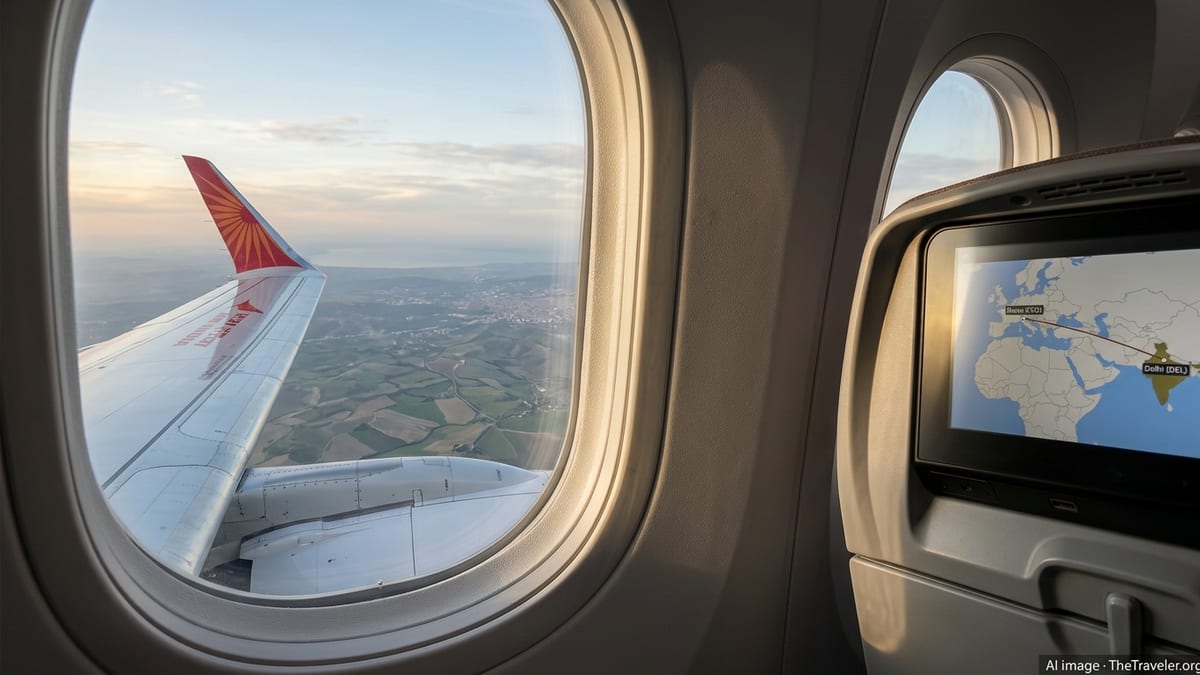
IMD red alert as intense monsoon spell batters Delhi-NCR
According to recent bulletins from the India Meteorological Department, a strong monsoon surge combined with local weather systems has triggered intense showers, thunderstorms and squally winds across Delhi and adjoining NCR cities. The department has issued a red warning for the capital and surrounding districts, signalling that conditions are severe enough for residents and travelers to “take action” to protect life and property.
Reports from city weather observatories indicate that multiple neighbourhoods across New Delhi, Gurugram, Noida, Ghaziabad and Faridabad have seen periods of very heavy rainfall within a short span of time. This has led to rapid waterlogging on arterial roads, sharp drops in visibility and localized flooding around low-lying underpasses and residential pockets.
Publicly available forecast maps suggest that the intense rain belt is likely to persist for at least the short term, with more heavy showers possible into the night and early hours. The red warning covers most of the urban sprawl of the capital region, meaning there is potential for repeated bursts of heavy rain over the same transport corridors and airport access routes.
Meteorological guidance also points to embedded thunderstorms in the rain bands, raising the risk of sudden gusty winds that can quickly disrupt aviation schedules and ground movements at the airport.
Airlines flag delays and urge passengers to check flight status
As the weather deteriorated, several major Indian carriers began issuing public advisories highlighting the potential impact on their Delhi operations. Based on airline notices and media coverage, passengers travelling into or out of the capital have been warned to expect knock-on delays, possible go-arounds and occasional diversions as air-traffic controllers space out arrivals and departures during periods of poor visibility and strong winds.
Travel updates shared by carriers on social platforms stress that adverse weather conditions could lead to extended holding patterns in the air and longer ground times for aircraft waiting for storm cells to pass. Passengers have been repeatedly advised to monitor their flight status through airline apps and customer service channels before leaving home for the airport.
Operational data referenced in local coverage shows that even brief episodes of intense thunderstorms around Delhi can trigger cascading disruption across the day, with morning delays often spilling into the afternoon and evening. Aircraft and crew rotations are particularly vulnerable when both arrivals and departures are slowed by weather-related restrictions.
Some airlines have indicated that they are proactively adjusting schedules, consolidating services where necessary and building in additional turnaround time to cope with the fast-changing conditions.
Ground transport to the airport strained by waterlogging
Beyond the airside disruption, the red warning and heavy rain have also complicated surface access to Indira Gandhi International Airport. Photos and video circulating in local media show stretches of key approach roads in south and west Delhi struggling with standing water, stalled vehicles and slow-moving traffic.
Reports indicate that major corridors linking central Delhi with the airport and satellite cities have experienced peak-hour bottlenecks, with commuters facing long delays on segments of the Ring Road, the Delhi-Gurugram expressway and feeder routes from Noida and Ghaziabad. Ride-hailing services and taxis have faced challenges navigating flooded lanes and diversions, adding uncertainty to airport transfer times.
Metro services, which are typically more resilient during heavy rain, have also seen heavier crowds as commuters and travelers seek alternatives to road travel. With further intense showers forecast, transport observers are advising travelers to factor in extra time for airport transfers and to keep contingency plans for last-mile connections.
Publicly available advisories from city agencies continue to highlight the risk of sudden waterlogging at underpasses and low-lying sections of major roads, particularly during the heaviest bursts of rain linked to the red warning period.
Impact on passengers and aviation operations across the region
The disruption in Delhi is also rippling through the wider domestic network. Industry trackers and news reports show that delays at a major hub such as the capital can quickly affect connecting flights to cities across India, as aircraft scheduled to operate onward legs are held up by weather conditions in the NCR.
Passengers with tight connections, including those transiting from international to domestic services, appear to be particularly exposed to missed onward flights. Airlines have publicly encouraged travelers to keep boarding passes and booking references handy and to stay in touch through digital channels in case of rebooking or gate changes.
On the operational side, aviation weather specialists note that red warnings typically coincide with more conservative spacing between aircraft in the approach and departure corridors, greater use of alternate routing to avoid intense cells and occasional short-term suspensions of ground handling in open areas when lightning risk spikes. All of these measures, while focused on safety, can extend turnaround times and reduce hourly runway throughput.
Across the NCR, regional airports and heliports are also monitoring the evolving pattern of rain and thunderstorms. While the heaviest impact is centered on the capital, nearby facilities are preparing for possible diversions and increased traffic if storms linger over Delhi’s primary runways.
What travelers should watch over the coming days
Looking ahead, available forecast discussions suggest that the monsoon pulse responsible for the current spell may continue to influence Delhi’s weather in the short term, with the possibility of additional heavy showers and thunderstorms even after the peak of the red warning period. The overall pattern points to unsettled conditions rather than a quick return to clear skies.
For travelers, this means that airline schedules could remain fragile, with delays flaring up whenever a new batch of storms moves over the airport zone. Travel analysts recommend building in generous buffers for important journeys, avoiding last-minute arrivals at the terminal and treating minimum connection windows with extra caution.
Passengers are also being encouraged, through publicly shared advisories, to use digital tools for real-time updates, opt for mobile boarding passes where possible and keep essential items and medications in cabin baggage in case of extended waits. For those with flexible plans, some carriers may offer voluntary rebooking options when forecasts show particularly intense weather targeting specific time bands.
As Delhi and the NCR navigate another disruptive monsoon episode, the combination of a red weather warning and strained aviation infrastructure is underscoring how quickly seasonal downpours can test the resilience of one of India’s busiest air hubs.