


More news on this day
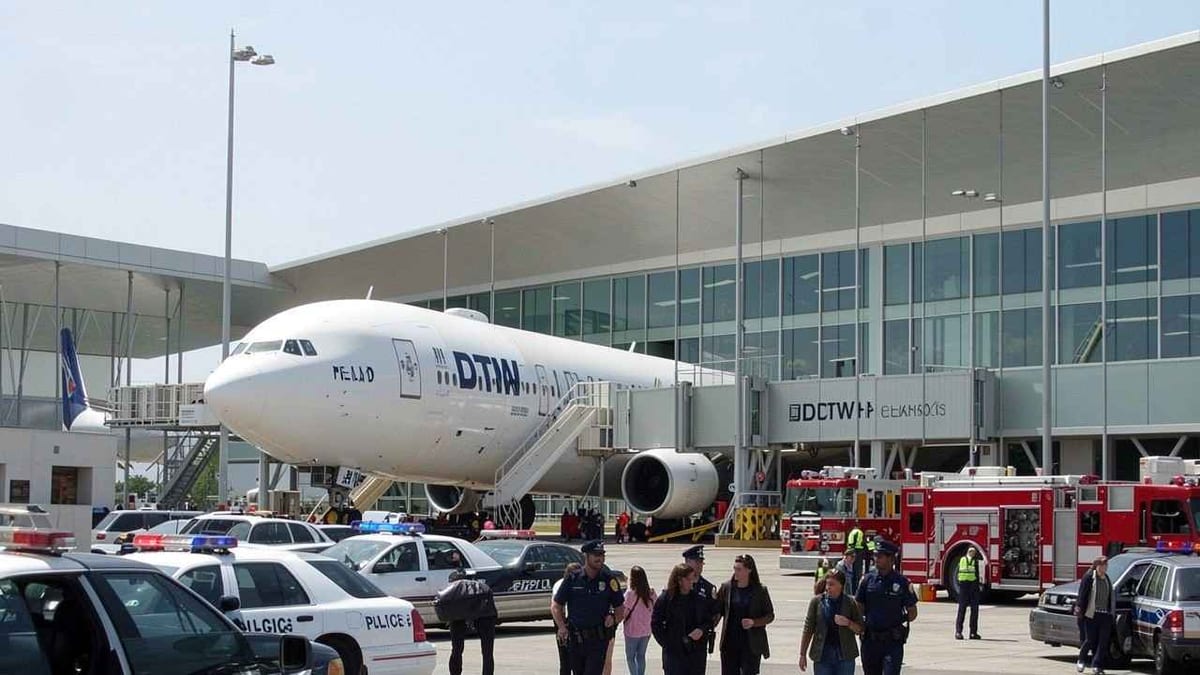
Delta Air Lines flight DAL1616 was abruptly diverted to Boston Logan International Airport amid widespread disruption on the United States East Coast, as severe weather and knock-on scheduling problems combined to create another day of chaotic travel for thousands of passengers.
Get the latest news straight to your inbox!
Unexpected Diversion Adds To Already Strained Operations
Publicly available flight-tracking data shows DAL1616 diverting toward Boston after its original routing became untenable, adding an extra layer of complexity to a region already struggling with storm-related delays and congestion. The flight ultimately landed at Logan, where passengers joined long lines and crowded concourses that had been building throughout the day.
Early indications point to a combination of convective weather cells along the route and airspace flow programs on the East Coast, which can force aircraft into lengthy holding patterns or require re-routing. In such conditions, diversions to alternate airports like Boston are a standard tool for flight crews to preserve fuel margins and avoid extended time in turbulent, congested airspace.
Boston Logan has functioned as a frequent relief valve for flights unable to continue to primary hubs when storms, ground stops, or gate constraints arise elsewhere on the East Coast. Data from recent months shows a low but steady number of diversions into Logan, underscoring the airport’s role as a strategic alternate for carriers such as Delta.
Travelers caught up in the DAL1616 diversion reported extended waits for updated departure times and rebookings as airline systems worked to absorb yet another schedule disruption on a day already marked by rolling delays.
Severe Weather And Airspace Constraints Ripple Across The East Coast
The DAL1616 diversion unfolded against a backdrop of severe thunderstorms and unstable air across a broad swath of the Eastern Seaboard. Weather watches and ground delay programs at several major hubs, including New York-area airports and others along the corridor, led to inbound flow restrictions that cascaded throughout the network.
When storms line up along heavily used routes, air traffic managers typically reduce the number of aircraft allowed into affected sectors. This often forces carriers to hold flights on the ground at departure airports, reroute aircraft hundreds of miles around storm cells, or accept substantial airborne delays. Diversions such as that of DAL1616 become more likely when those constraints intersect with fuel-planning limits and the need to keep crews and aircraft positioned for later legs.
Travel waivers issued by multiple carriers in recent days for East Coast cities reflect the scale of the operational challenge. These waivers generally allow customers to change travel dates or routes without additional fees when severe weather makes it difficult to operate the published schedule. DAL1616’s detour to Boston fits squarely within this broader pattern of weather-driven disruption affecting the region.
Even airports not directly under the strongest cells can experience significant disruption as rerouted traffic converges on limited runway and taxiway capacity. That network effect has been evident in the volume of delayed and canceled flights reported up and down the coast.
Boston Logan’s Pivotal Role In Irregular Operations
Boston Logan International Airport has become an increasingly important operational hub and alternate for Delta, with the carrier building up its presence there through new domestic and international routes in recent seasons. In normal conditions, the airline’s on-time statistics at Logan compare favorably with peers, but days of intense weather and airspace pressure test the system’s resilience.
According to public statistics and recent airport traffic reports, Logan routinely handles dense banks of departures and arrivals during morning and evening peaks. When diversions like DAL1616 arrive on short notice, airport and airline teams must find available gates, coordinate ground handling, and manage baggage and refueling while also accommodating regularly scheduled flights.
Recent incidents unrelated to DAL1616, including go-arounds and close calls involving other aircraft at Logan, have prompted federal safety reviews and renewed attention to runway and airspace management at the airport. Those events, coupled with diversions driven by regional weather, highlight how quickly operations at a major coastal hub can move from routine to highly complex.
For passengers, Boston’s role as an alternate can be a mixed experience. While the airport offers multiple onward options to major East Coast cities and hubs, travelers can find themselves competing for limited rebooking opportunities when large numbers of disrupted flights funnel into the same facility.
Knock-On Effects For Passengers Across The Network
The diversion of DAL1616 is emblematic of the broader challenges facing U.S. air travelers during periods of intense summer weather, congested routes, and tight operating margins. A single diverted flight can trigger a chain reaction affecting subsequent legs, aircraft rotations, and crew duty limits, sometimes leading to additional delays or cancellations hours later and hundreds of miles away.
Passengers on DAL1616 encountered the familiar litany of modern disruption: updated departure times that shifted repeatedly, uncertainty about missed connections, and long queues to speak with customer-service agents. Many travelers increasingly turn to airline mobile apps and automated tools to track seat availability and rebooking options when operational conditions deteriorate quickly.
Industry observers note that while diversions like the one experienced by DAL1616 are an important safety and fuel-management measure, they also expose the fragility of tightly scheduled networks. When crews approach federally mandated duty-time limits or aircraft need maintenance checks at specific bases, even a relatively short diversion can compromise the rest of the day’s flying.
Some passengers affected by the East Coast disruptions have reported opting for ground alternatives such as intercity rail or car rentals when faced with lengthy rebooking windows, particularly on short- to medium-haul routes where surface travel times can be competitive once delays are factored in.
Safety Practices And The Growing Focus On System Resilience
Although diversions are stressful for passengers, aviation safety experts describe them as a conservative, safety-first response to uncertain or deteriorating conditions. Flight crews are trained to select alternates like Boston Logan when en route weather, traffic congestion, or runway availability make continuing to the original destination inadvisable.
Recent federal investigations into close calls and runway incursions at major U.S. airports, including Boston, have placed renewed emphasis on how pilots, air traffic controllers, and airlines interact during high-workload scenarios. Events such as the DAL1616 diversion, while not themselves accidents, are increasingly viewed as valuable data points for understanding systemic stress and improving resilience.
Policy discussions in Washington have focused on modernizing air traffic control technology, increasing staffing in critical facilities, and strengthening surge capacity during peak travel periods. These initiatives aim to reduce the frequency and severity of days like the one that forced DAL1616 and many other flights to alter their plans.
For now, passengers flying through the East Coast during storm season can expect more days where safety-driven decisions such as diversions, extended ground holds, and last-minute re-routes remain a familiar part of the travel landscape.